


NASA astronauts can now bring their phones with them on their mission to the moon
NASA astronauts can now bring their phones with them on their mission to the moon

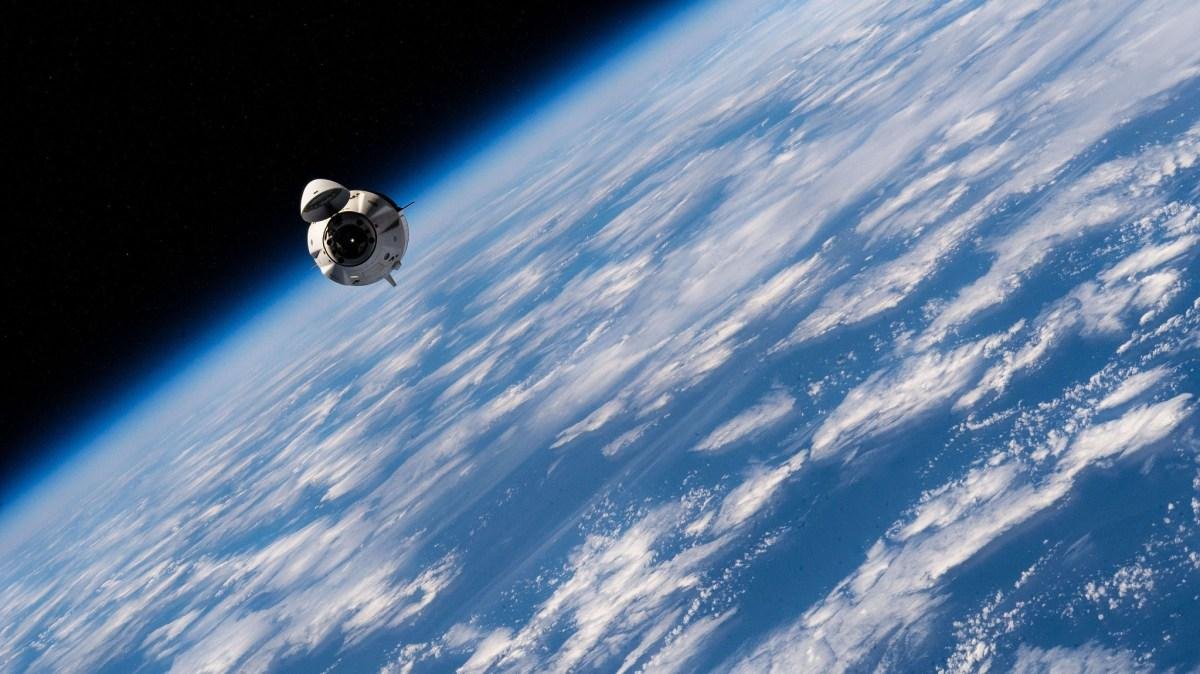
Get ready for some selfies that are out of this world. NASA astronauts will be allowed to bring their smartphones to space for the first time, starting with the Crew-12 and Artemis II missions.
Crew-12 is expected to head to the International Space Station next week, while the highly anticipated Artemis II mission — which will bring humans around the moon for the first time since the 1960s — was delayed until March.
“We are giving our crews the tools to capture special moments for their families and share inspiring images and video with the world,” NASA administrator Jared Isaacman wrote on X.
With the newest iPhones and Android devices at hand, the crew will be able to be a bit more spontaneous with image and video gathering, meaning that for those of us back home, these upcoming trips to space could end up being some of NASA’s most well-documented journeys yet.
Imagine how cool (or cringe-worthy) it will be if astronauts turn themselves into TikTok stars in zero gravity, or if they take ultra-wide-angle selfies in the spacecraft. For those working in government bureaucracy, it’s equally exciting, apparently, that NASA approved this rule change pretty quickly.
“Just as important, we challenged long-standing processes and qualified modern hardware for spaceflight on an expedited timeline,” Isaacman wrote. “That operational urgency will serve NASA well as we pursue the highest-value science and research in orbit and on the lunar surface.”
It makes sense that it would be hard to approve new technology to go into space — if one small thing goes astray, a spaceflight can go terribly wrong. Until now, the newest cameras that were supposed to go on these missions were decade-old Nikon DSLRs and GoPros, according to Ars Technica. That’s by no means arcane, but there’s something more spontaneous and whimsical about using a smartphone.
Techcrunch event
Boston, MA | June 23, 2026
This is not, however, the first time that smartphones have gone to space. SpaceX allowed smartphones for its private astronaut missions.
Amanda Silberling is a senior writer at TechCrunch covering the intersection of technology and culture. She has also written for publications like Polygon, MTV, the Kenyon Review, NPR, and Business Insider. She is the co-host of Wow If True, a podcast about internet culture, with science fiction author Isabel J. Kim. Prior to joining TechCrunch, she worked as a grassroots organizer, museum educator, and film festival coordinator. She holds a B.A. in English from the University of Pennsylvania and served as a Princeton in Asia Fellow in Laos.
You can contact or verify outreach from Amanda by emailing amanda@techcrunch.com or via encrypted message at @amanda.100 on Signal.
Most Popular
Sponsor
Sponsor
Sponsor
Sponsor
Zoekertjes
Categorieën
Read More
Over 50 and Still in Debt? Dave Ramsey Says to Do This Immediately We research all brands listed and may earn a fee from our partners. Research and financial considerations may influence how brands are displayed. Not all brands are included. Learn more. Leaving your job and heading into retirement is exciting. But it can also be scary —...
Check Out Sierra's Gameplay in This New TrailerOverwatch's next hero is the rifle-wielding Sierra, the sixth hero of the year after five new heroes were added during the game's Reign of Talon season 1. A day after dropping the hero trailer, which showed Sierra in combat with Emre and Freja, Overwatch released a gameplay trailer for the damage hero.Sierra's is a mobile damage...

Crunchyroll has introduced a new podcast called "Witch Chat," designed to accompany the popular series "Witch Hat Atelier." This podcast aims to enhance the viewing experience by providing listeners with episode recaps, insights into the show's lore, an
"Witch Chat" promises to be a fun and informative way for listeners to dive deeper into the themes and adventures of "Witch Hat Atelier." Whether you're a long-time fan or new to the series, the podcast offers a chance to connect with the show's content and fellow enthusiasts. Tune in to expand your understanding of the magical universe and join the conversation!

Why did only two Iranian football players stay in Australia?Skip to contentWatch LiveBritish Broadcasting CorporationHomeNewsSportBusinessTechnologyHealthCultureArtsTravelEarthAudioVideoLiveDocumentariesWatch LiveAfter Australia granted seven Iranian football players humanitarian visas to stay in the country, only two have decided to stay. According to human rights activists, those who left...

According to a specialized sectoral study published by Fact.MR, the global baobab powder market was valued at USD 340.0 million in 2025. Driven by a widespread consumer pivot toward wild-harvested, non-GMO immunity boosters and plant-based digestive wellness solutions, the market is projected to rise at a steady compound annual growth rate (CAGR) of 6.7%, reaching a landmark valuation of USD...

