Garry Marr: Why your house is still costing you, even if you've paid it off
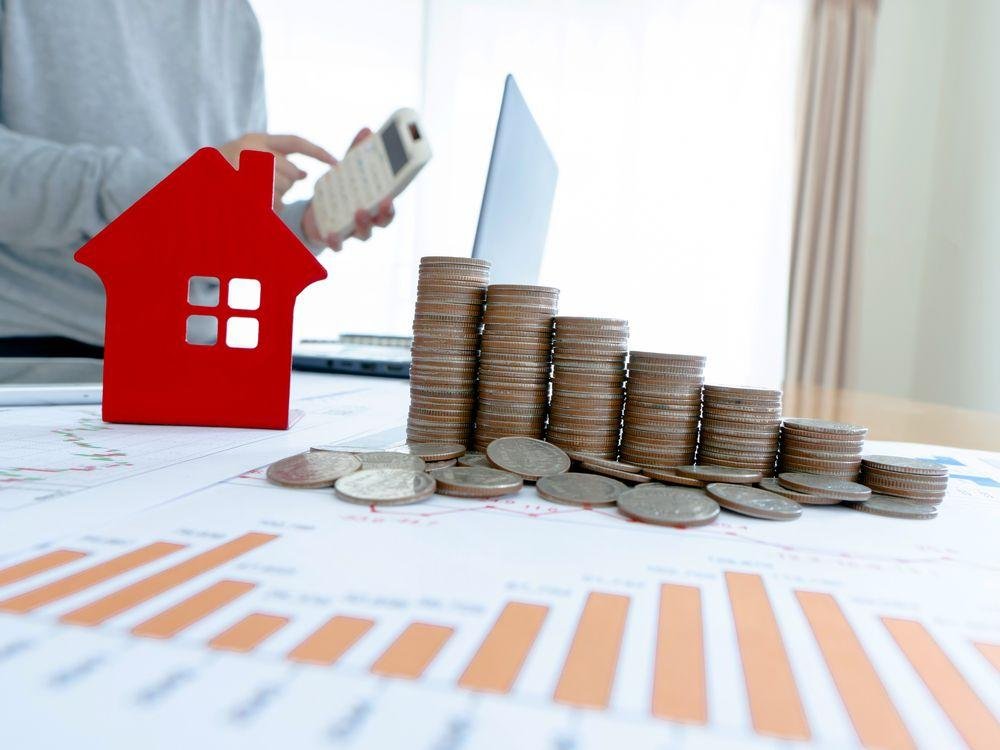
Garry Marr: Why your house is still costing you, even if you've paid it off
Article content
Even with a drop in prices, he said the cost of homeownership has only moved “a small step in the right direction,” but the cost of that home is still enormous relative to renting. Try to convince people otherwise, and they will say things like, “rent is throwing away money.”
Article content
The reality is that this week, many homeowners are going to be more upset that gas prices are up a few cents since war broke out in the Middle East than they are about the decline in the value of their largest asset. And the average resale home price dropped by more than $15,000 in the third quarter of 2025, according to the most recent Statistics Canada data.
Article content
Doug Porter, chief economist with Bank Montreal, said he doesn’t get a sense that consumers’ spending habits have been affected much at all by the so-called wealth effect from lower house prices.
Article content
“The run-up in financial market wealth has, in many cases, offset the decline in real estate wealth,” he said.
Article content
The economist said flat house prices may prompt people to think differently about their real estate assets and noted that in the 1990s, housing prices went “sideways for a decade,” which can affect consumers for a while.
Article content
Article content
“But housing will always be a unique asset,” said Porter.
Article content
That is the crux of the issue. No matter how much rental stock we build, it will never supplant owning, because the very nature of the apartment market in Canada continues to prevent you from being a renter forever, with no guarantee of tenancy. Ultimately, your landlord can evict you.
Article content
“Consumers never think that way,” said Ron Butler, a mortgage broker, about the impact of having a lot of equity in their home, even when prices are dropping. “People are certain prices will go up. But when something you don’t see every day goes up, it’s just easier to get (angry about it) … like gas prices.”
Article content
There are also scales when it comes to your house and what you put into it. If you bought a house in the 1990s and have not put one cent into it for three decades, your costs are a lot different from those of someone constantly renovating.
Article content
“Home ownership has been mostly divorced from the idea that it was an investment until the 2000s,” said Butler. “The only thing you ever thought about was eventually paying it off, and you wouldn’t have a mortgage. You bought a house so your kids could go to the local school, you get to know your neighbours, and at the end, you just pay property tax.”
Article content
Article content
Given the lack of family-oriented housing, that has and always will make a lot of sense. But with your home looking more and more like dead money, will it ever change?
Article content
Butler said the one exception might be a population that is increasingly single and never plans to have children. Do they need to own? Probably not, but convincing others may be tough, even if the math doesn’t work.
Article content
“There seems to be a sense of ownership that runs through many cultures,” he said.
Article content
All true. Ownership will always have value beyond the numbers, but it comes at a price and one that should be recognized. A house paid off does cost you money, even though it’s not coming out of your account like filling up at the pump.
Article content
Article content

We apologize, but this video has failed to load.
Article content
Sponsored
Sponsored
Sponsored
Sponsored
Ads
Categories
Read More
Man charged with attempted murder after stabbings of Jewish men in London Police on duty outside Golders Green tube station in London, Thursday, April 30, 2026, near the scene where two people were recently stabbed in the Golders Green neighbourhood, that has a large Jewish community....
The Verge Weekend QuestionnaireHave you ever wondered what the most indispensable app is for your favorite musician or how the world’s tech CEOs stay focused? Well, that’s the sort of thing we aim to uncover in our Verge Weekend Questionnaire. Think of it as a spiritual successor to Five Minutes on the Verge.Every Saturday, a different guest submits to our rapid-fire menu of questions, and we...

Canada formally requests renewal of USMCA North American free trade pact36 minutes agoNadine YousifSenior Canada reporterGetty ImagesDominic LeBlanc, the minister for Canada-US trade, is in Washington on Tuesday for trade talksCanada has formally requested a renewal of the North American free trade agreement with the US and Mexico, called the USMCA, as the July deadline to renegotiate the pact...
Watch the top moments from the 2026 OscarsThe 2026 Oscars featured surprise wins, emotional speeches and some comical moments as stars gathered for Hollywood's biggest night. The ceremony saw action thriller One Battle After Another win the most Oscars of the night with six wins, including best picture. But there were a number of historic moments - including Jessie Buckley becoming the first...
Nicaraguan indigenous leader dies after three years in prisonReutersBrooklyn Rivera (right), pictured in 1988, led an indigenous militia against the Sandinista revolution in NicaraguaA leading Nicaraguan indigenous leader has died after being detained by the ruling authoritarian regime for nearly three years.Brooklyn Rivera, who founded the central American nation's indigenous movement Yatama,...