Sam Altman makes ‘mic drop’ offer to every Y Combinator startup
Sam Altman makes ‘mic drop’ offer to every Y Combinator startup
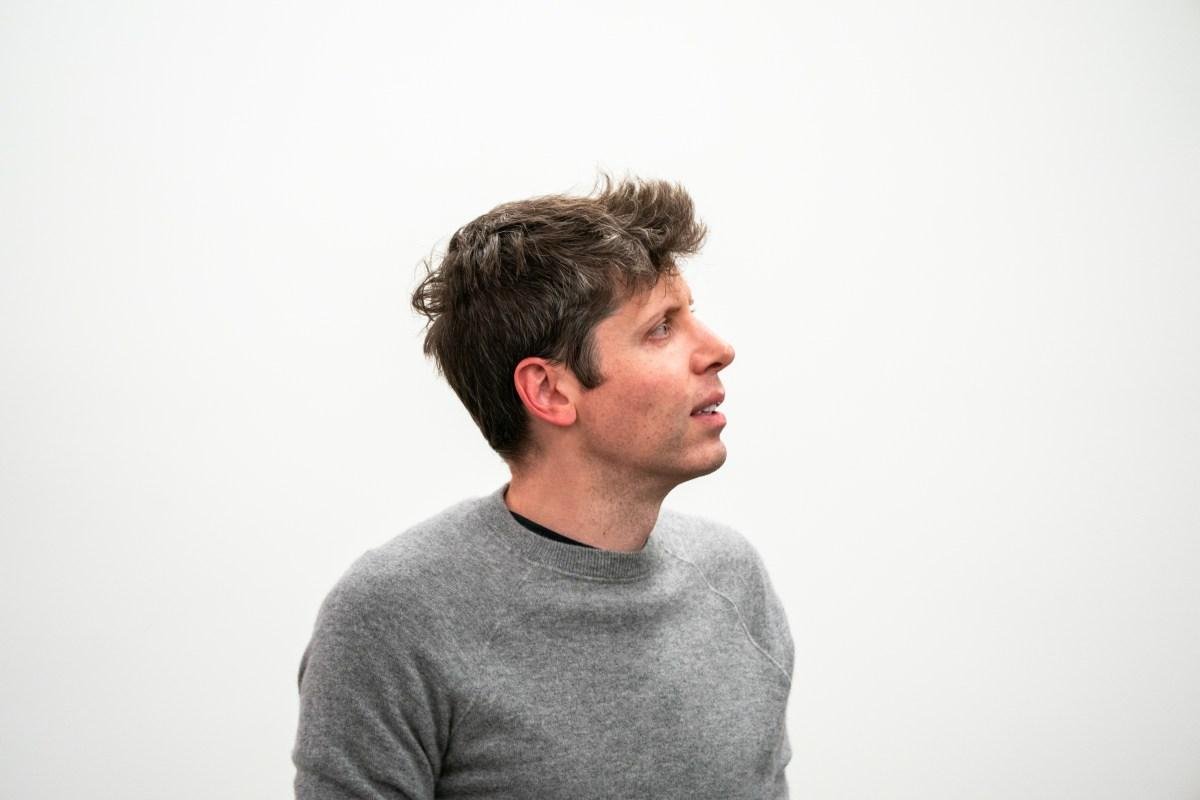
During a Y Combinator event on Tuesday night, Sam Altman had what YC partner Tyler Bosmeny called a “mic drop moment.” Altman offered $2 million worth of OpenAI tokens to every startup in the current class in exchange for equity in the startup.
In other words, he promised that OpenAI would invest in the whole class, not with cash but with an allotment of AI tokens that startups can use to build their products.
— Sam Altman (@sama) May 20, 2026i am excited to see what will happen with tokenmaxxing startups, both for how they work internally and the products they can build.
openai offered to invest $2M in tokens into every startup in the current yc batch.
happy building! https://t.co/YSHYJoutuf
Y Combinator has about 169 startups in this cohort, according to its directory.
As for how much equity each startup can expect to give up, that can’t be determined at the time it signs the deal. It will depend on how much the startup is worth when it raises its first priced round — a funding round in which investors assign the company a formal valuation.
Y Combinator Managing Director Jared Friedman tells TechCrunch that the deal will be offered as an “uncapped SAFE,” meaning, “it will convert in the next priced round, which is typically the Series A,” he said.
A SAFE is YC’s standard agreement structure for its early-stage companies that raise money before their first “priced” rounds with valuations involved. An uncapped SAFE doesn’t set a ceiling on that valuation, which can benefit founders because the higher the valuation at conversion, the smaller the slice of the company the investor receives.
We’ve seen some discussion on X that this deal could amount to OpenAI holding about 2% equity should a startup hit a $100M valuation, though without seeing the actual terms, we can’t verify that.
For OpenAI, the deal works on two levels. Obviously, it gains equity in this crop of early-stage companies, meaning it profits if they succeed. But it also encourages them to build their business on and with OpenAI. Whether this locks them in for the long term or not, it does mean that they won’t default to OpenAI’s competitors, like Anthropic’s Claude Code.
The tokens themselves may sweeten the deal further: as inference costs continue to fall, what OpenAI is giving away today could cost it very little to produce tomorrow — making the equity it receives in return look increasingly cheap.
Unsurprisingly, there’s already plenty of commentary on X on why this is, and isn’t a good deal for startups.
The pro-deal folks believe the deal helps startups eliminate one of their biggest costs — AI infrastructure bills, which can spiral fast and consume a disproportionate share of an early-stage startup’s budget at a time when money, typically, is already scarce.
The buyer-beware folks have other warnings. Seed investor Jason Calacanis — who has his own competing accelerator and fund — went for the be-afraid-of-Big-Tech warning.
“If you take these tokens, there’s a non-zero chance that OpenAI will study exactly what your startup is doing, copy your idea and put your app into their free offering. This is the classic platform playbook — be careful, founders!” he posted.
The fear that OpenAI and Anthropic could swallow every good AI startup idea is real.
The truth is, should OpenAI want to do that, it can, even when startups simply pay OpenAI for the tokens. By taking an equity stake, OpenAI may have more incentive for the startup’s success, not less.
Plus, as the former head of Y Combinator and a recurring guest speaker, Altman has as much access to every cohort and its ideas as he wants, deal or not.
The bigger question for this YC batch is whether a budget of tokens from a single AI player is worth giving up additional equity. Y Combinator already takes a 7% stake for a $500,000 cash investment in its standard deal. In exchange, startups get access to YC’s powerful Silicon Valley network of VCs, potential customers, and other founders.
But equity is also precious for startups. Seed investors frequently take 20% or so, too. And startups need equity as compensation for their early employees.
The bigger danger is that a startup will blow through its OpenAI token budget without enough to show for it, having surrendered equity in the process. Still, that may be better than paying for the tokens with cash, an even scarcer resource at that stage.
When you purchase through links in our articles, we may earn a small commission. This doesn’t affect our editorial independence.
Sponsored
Sponsored
Sponsored
Sponsored
Ads
Categories
Read More
Russian attack sets fire to religious site in Kyiv, kills 5 in Kharkiv Rescue workers try to put out a fire at the Dormition Cathedral of thousand-year-old Monastery of Caves, also known as Kyiv Pechersk Lavra, following a Russian strike on Kyiv, Ukraine, Monday, June 15, 2026....

Nazi search engine shows if ancestors were in Hitler's partyChristian RainerChristian Rainer says he found the name of his grandfather "within a few seconds"A new German online search engine is helping people to discover if their ancestors were members of the Nazi Party.Christian Rainer, from Austria, told the BBC he found the name of his grandfather "within a few seconds"."I found out that he...
Greetings from downtown Cairo, where unpretentious cafés are part of centuries-old charm Far-Flung Postcards is a weekly series in which NPR's international team shares moments from their lives and work around the world. Downtown Cairo, or Wust el-Balad as it's known locally, is a treasure trove of hidden gems. Imprinted on...

US sub sinks Iranian warship in Indian Ocean, Hegseth saysYogita Limaye,South Asia and Afghanistan correspondentandAlys DaviesVideo of moment US torpedo hits Iranian warship released by PentagonUS Secretary of Defense Pete Hegseth has said an American submarine sank an Iranian warship in the Indian Ocean.He said the ship was sunk by a torpedo on Tuesday, and that it died a "quiet death".Hegseth...

My Smartwatch Gives Me Health Anxiety. Experts Explain How to Make It StopI'm a wellness writer with health anxiety. Also known as hypochondria or illness anxiety disorder, health anxiety is a condition that makes me worry I am or may become ill even when I’m perfectly healthy. One minute, I have a headache, and the next, I think I've got a deadly brain tumor.What’s ironic is that part of my...