China is increasingly keeping its best AI talent to itself
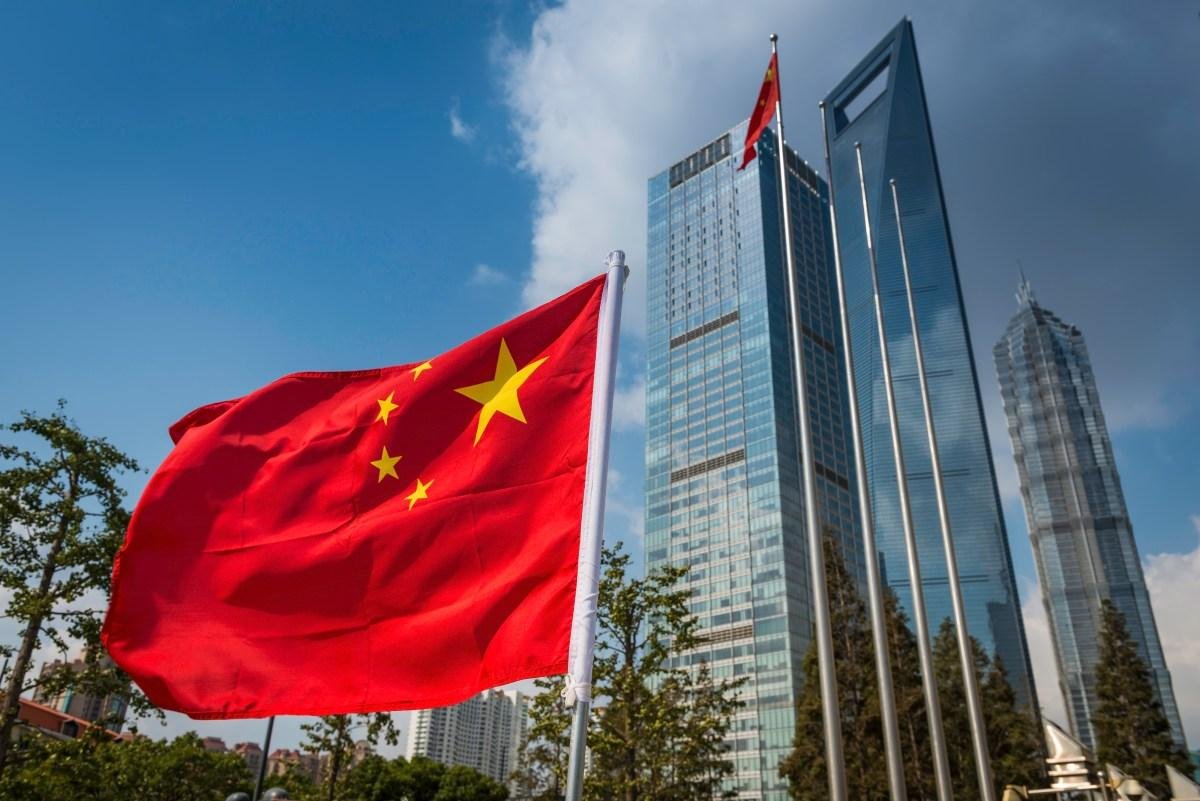
China is increasingly keeping its best AI talent to itself
For China’s top AI researchers, the borders are quickly closing. Researchers, startup founders and executives at private firms are now reportedly subject to travel restrictions, with some of the industry’s most prominent figures required to seek government approval before heading abroad.
The restrictions reflect a wider shift in how Beijing manages the brain-drain in the AI sector, which has seen skyrocketing demand for talent to train and tweak AI models as the global tech industry taps into this new avenue to seek growth.
In March 2025, the Wall Street Journal reported that Chinese authorities had been advising top AI founders and researchers to avoid traveling to the U.S., an early signal of just how closely Beijing has come to guard AI as both an economic asset and a national security priority.
Restrictions appear to have intensified in the wake of Beijing narrowing its focus on the Manus-Meta deal. China has barred Manus’ two co-founders from leaving the country while its regulators investigate whether Meta’s $2 billion acquisition of the AI startup runs afoul of Beijing’s foreign investment rules, according to The Financial Times. The co-founders of Manus are now said to be exploring options to fulfill Beijing’s demand to unwind the deal, including raising about $1 billion from external investors to buy back the company from the social media giant.
The AI race between the East and the West is closer than it’s ever been. Stanford’s latest index shows the performance gap between the top U.S. and Chinese models had shrunk to just 2.7% as of March 2026, from about 31% in 2023, raising fresh questions about how long America can hold its lead.
The U.S. still dominates in terms of model quality and high-impact patents, but China is fast catching up if not outpacing American AI labs, in publications, citations and patent volume.
In addition to travel restrictions, China reportedly plans to keep a check on U.S. capital flowing into its top AI firms, requiring government sign-off before tech companies like Moonshot AI, StepFun, and ByteDance can accept American capital, per Bloomberg reported in April.
The news of travel restrictions follows a series of escalating economic countermeasures: in 2025, Beijing imposed two rounds of export controls on 14 rare earth materials critical to high-tech military manufacturing, and separately barred state-funded data centers from deploying foreign AI chips.
When you purchase through links in our articles, we may earn a small commission. This doesn’t affect our editorial independence.
Kate Park is a reporter at TechCrunch, with a focus on technology, startups and venture capital in Asia. She previously was a financial journalist at Mergermarket covering M&A, private equity and venture capital.
Sponsored
Sponsored
Sponsored
Sponsored
Ads
Categories
Read More
US and Iran say they'll continue nuclear talks as both build up their military forces US and Iran say they'll continue nuclear talks as both build up their military forces The second round of U.S.-Iran talks ended with a pledge to continue talking, but both sides are ramping up their military forces.

Judge Blocks Pentagon's Attempt to Blacklist AnthropicA federal judge on Thursday temporarily blocked the Trump administration from labeling Anthropic a "supply chain risk" and cutting off the artificial intelligence firm's access to federal contracts.US District Judge Rita Lin granted Anthropic's request for a preliminary injunction, finding that the Trump administration's "broad punitive...
Gather AI, a company known for its unique warehouse drones, has successfully raised $40 million in funding. This investment was led by Smith Point Capital, a firm founded by Keith Block, who previously served as the CEO of Salesforce. Gather AI's drones are designed to do more than just scan their surroundings; they actively search for specific information, making them an advanced tool for...

Fitbit’s Charge 6 and kid-friendly Ace LTE are much cheaper for Prime DaySheena Vasani writes about tech news, reviews gadgets, and helps readers save money by highlighting deals and product recommendations for The Verge.Prime Day is making it much easier to pick up a Fitbit without spending more than you want. Both the Fitbit Charge 6 and Fitbit Ace LTE are on steep discounts today. Right now,...
Pentagon moves to designate Anthropic as a supply-chain risk In Brief Posted: 1:53 PM PST · February 27, 2026 Image Credits:Anna Moneymaker / Getty Images In a post on Truth Social, President Trump directed federal agencies to cease use of all Anthropic products after the company’s public dispute with the Department of Defense. The...