Preparing for RICS Assessment: A Professional Development Guide

Years ago I sat across from a quantity surveyor who had failed his APC twice. He thought his technical reports were solid. They weren't. RICS Assessment demands more than ticking boxes on experience logs. It exposes gaps in how you apply knowledge under pressure, especially when client demands clash with regulatory realities. Many professionals delay their chartered status because they underestimate this friction.
What the RICS Assessment Actually Requires
The process tests your ability to demonstrate competencies across technical, professional, and mandatory areas. Pathways vary—quantity surveying, building surveying, project management—but all revolve around the APC route for most candidates. You submit a summary of experience, at least one case study, CPD records, and face an interview panel.
Buyers often overlook the mandatory competencies like ethics and client care. These aren't soft skills. They determine whether your submission survives scrutiny when a panel probes real-world decisions. One detail most skip: mapping every piece of evidence to specific competency levels (1, 2, or 3) with clear examples from your projects. Miss that alignment and your file gets returned.
Specification Factor vs Good Supplier Answer vs Bad Supplier Answer vs Buyer Impact
|
Competency Area |
Good Preparation Approach |
Common Weak Submission |
Real-World Impact on Candidate |
|
Technical (e.g., Cost Estimating) |
Detailed case study showing variance analysis on a £2.5M project with root causes |
Generic descriptions of "managed budgets" without numbers or lessons |
Delays chartered status by 6–12 months; lost promotion opportunities |
|
Mandatory Ethics |
Specific example of refusing a questionable variation request with outcome |
Vague statements like "always act professionally" |
Panel rejection; requires full resubmission |
|
Case Study Development |
One focused project with clear challenges, actions, and results tied to 3+ competencies |
Multiple unrelated projects without depth |
Weak demonstration of level 3 competencies; interview struggles |
|
CPD Records |
40+ hours logged with reflective statements on application |
Just attendance certificates without reflection |
Automatic fail on professional development evidence |
|
RICS Assessment Platform Navigation |
Mock submissions practiced on the portal with supervisor feedback |
Last-minute uploads ignoring format rules |
Technical glitches during final stages; stress-induced errors |
This table matters because it forces you to compare your current prep against what actually passes. Too many candidates treat the platform like a simple upload tool instead of a structured evidence system.
Before finalizing your submission, always have a supervisor or mentor review the mapping table. Check that every claim links back to verifiable project outcomes. A single mismatched competency level can unravel months of work.
Five Criteria to Evaluate Your RICS Preparation Support
Clear Competency Mapping. A strong provider shows exactly how your experience translates to RICS levels. Weak ones hand you templates without customizing to your pathway. You end up rewriting everything yourself at 11pm before deadline.
Real Interview Simulation. Demand recorded mock panels with tough questions. Bad support skips this and leaves you shocked when the actual assessors drill into commercial awareness failures.
Case Study Depth. Good guidance forces you to pick one project and dissect it brutally—delays, disputes, value engineering. Shallow advice produces case studies that read like CV entries and get shredded in review.
CPD Integration. Effective mentoring links your learning directly to assessment evidence. Poor options treat CPD as a separate checkbox, ignoring how panels cross-reference everything.
Post-Submission Feedback Loop. The best plans include review after your first attempt if needed. Many services disappear once payment clears, leaving you to figure out failures alone. That isolation costs professionals dearly in repeated fees and lost time.
How Targeted Support Protects Your Career Momentum
Proper preparation reduces the risk of multiple resubmissions, which can drag on for years and stall salary progression. Chartered members earn significantly more—around £13,600 extra annually on average in the UK based on industry surveys.
It shields your reputation. A failed submission on record forces awkward conversations with employers who expect progress. Strong guidance turns potential weaknesses into demonstrated strengths.
Mentoring also cuts hidden costs. Candidates without support often burn vacation days frantically writing or pay rush fees for last-minute reviews. Structured help spreads the load across months.
You gain confidence under questioning. Panels spot rehearsed answers quickly, but practiced reflection on actual project friction—like negotiating with contractors during material shortages—stands out.
Finally, it accelerates RICS Membership by aligning your evidence from day one. No more guessing what "level 3" really looks like in practice.
Why Location Shapes Your RICS Assessment Strategy
UK-based candidates in London or Manchester face different pressures than those in regional offices. Proximity to major projects means richer case studies but tighter deadlines. International professionals often struggle with UK-specific regulatory nuances in their submissions.
Our experience shows supply chain insights from Middle East or Asia projects add unique value to competencies like procurement, yet candidates frequently fail to translate them properly for UK panels. Choose support familiar with both local and global contexts to avoid mismatched examples.
About Us
We've guided hundreds through RICS Assessment over the past decade. We know what happens when a candidate's case study ignores a key dispute resolution clause because the project manager buried it in emails. Our team includes former APC assessors and senior surveyors who've sat on both sides of the table. One operational truth only insiders recognize: the most common reason for referral isn't technical knowledge—it's the inability to articulate commercial impact in under two minutes during the interview. We've built our process around fixing that exact pressure point.
Ready to Move Forward?
Send us your current experience summary and pathway details. We'll review it within 48 hours and outline a personalized plan. No minimum commitment required upfront—just concrete next steps. Email your documents to prepare@ricsmentoring.co.uk or book a slot directly through our calendar.
Don't Let Another Deadline Slip
RICS Assessment opens doors that stay closed without chartered status. Take the structured approach now and step into your next role with credibility intact. The professionals who succeed treat preparation as seriously as their site work.
FAQs
How long does typical RICS Assessment preparation take?
Most candidates we work with need 4–8 months of consistent effort alongside their jobs. It always takes longer than expected if you underestimate the reflective writing required for competencies.
What makes a strong RICS case study?
Focus on one project where you drove outcomes. Include measurable results, challenges overcome, and lessons applied. We've seen too many dilute impact by trying to cover everything.
Do I need a counsellor or supervisor for RICS Membership?
Yes, the rules require one. Finding the right match matters more than people admit—someone who actually challenges your evidence rather than just signing off.
How does the RICS assessment platform work in practice?
It's functional but unforgiving on formats. Practice uploads early. One candidate lost hours reformatting tables that didn't render properly on the day of submission.
Can experienced surveyors bypass parts of the RICS skills assessment?
Senior professionals have accelerated routes, but they still face rigorous review. Don't assume your years alone will carry you—panels expect evidence of current standards.
What happens if I fail the first RICS Assessment attempt?
You get feedback and can resit specific sections. The honest reality is that many need that second chance, so build time for it into your plan rather than treating failure as the end.
How do you provide RICS case study guidance?
We dissect your project details together, identify competency links, and refine drafts iteratively. It's harder than generic templates because real projects rarely fit neat boxes perfectly.
Sponsored
Sponsored
Sponsored
Sponsored
Ads
Categories
Read More
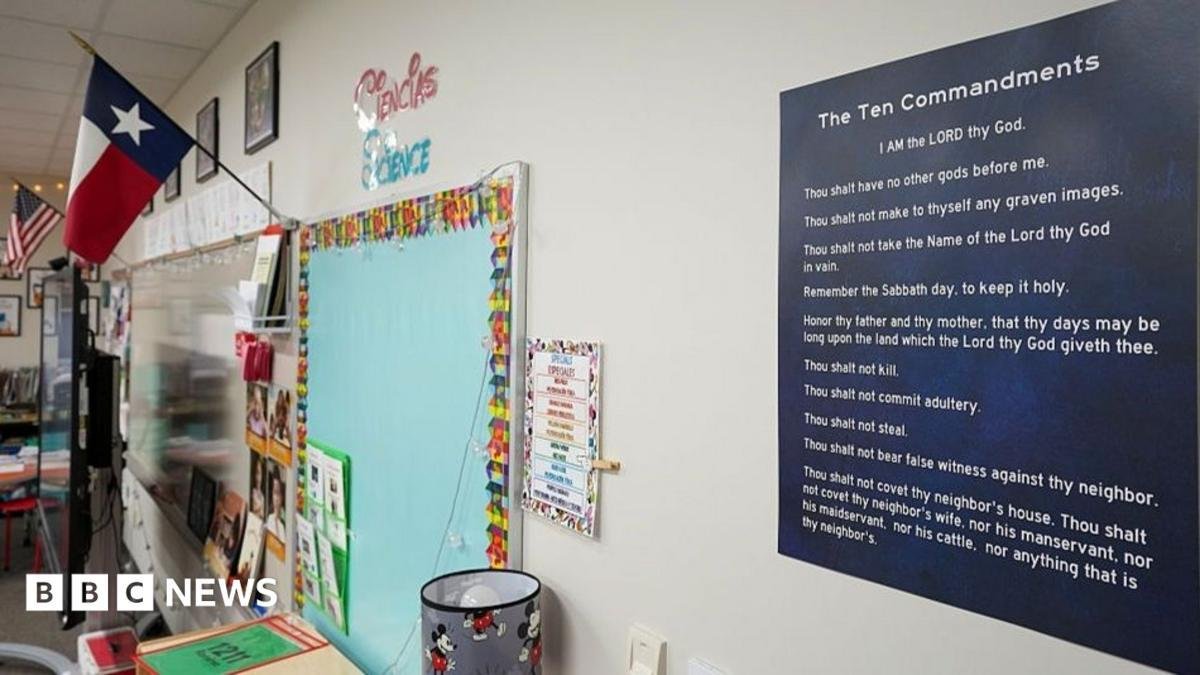
Bible stories become required reading for Texas schoolsA Texas education panel has approved plans to make Bible stories mandatory for all five million public school students in the state, sparking a row about separation of church and state.The required readings, which don't come into effect until 2030, include Bible passages about Adam and Eve and from the book of Exodus, where God speaks to...
Watch: Fireworks illuminate Barcelona's Sagrada Família during Pope Leo visitPope Leo XIV has described Barcelona's Sagrada Família as a masterpiece of "stones, colours and light" as he inaugurated its newest - and tallest - tower.The giant Tower of Jesus Christ, completed in February, has brought the church to a soaring height of 172.5m (566ft) - cementing it as the tallest church in the...

Trump says he called off new Iran attack at request of Gulf statesREUTERS/Evan Vucci/File PhotoU.S. President Donald Trump speaks to the press aboard Air Force One on 15 MayUS President Donald Trump has said he is holding off a military attack on Iran planned for Tuesday at the request of Gulf states as "serious negotiations are now taking place".In a post on Truth Social, he said he had been...

Sudan slams Uganda for hosting leader of RSF paramilitary force'Affront to humanity': Sudan slams Uganda for hosting RSF paramilitary bossAnadolu via Getty ImagesMohamed Hamdan Dagalo, leader of Sudan's paramilitary Rapid Support Forces (RSF), has led his fighters in a brutal civil war lasting for almost three yearsSudan's government has denounced Uganda for hosting the leader of the...

Audible's New In-Person Bookstore Turns Browsing into a Listening ExperienceThis month, New York City dwellers searching for their next audiobook can browse options in person. Audible has created a listening lounge and community hub in Lower Manhattan, which it calls a "bookless bookstore." Instead of housing paperbacks and hardcovers, the three-floor store is full of tiles used for sampling...