The Dental Emergency Mistake Most People Make: Going to Hospital
There's a specific kind of bad night that plays out in emergency departments constantly. Someone wakes at 2am with a throbbing tooth, or takes an elbow to the mouth at weekend sport, or bites down on something and feels a crown come away. They do what feels obviously correct in a medical emergency. They go to hospital.
Then they wait, sometimes for hours, and eventually leave with antibiotics, painkillers, and instructions to see a dentist. The tooth itself has not been touched.
This isn't a failure of the hospital. Emergency departments are set up for trauma, cardiac events, and acute medical crises. Most don't have a dental chair, dental instruments, or a dentist rostered on. They can manage pain and control infection, which are both worth having, but they can't treat the actual problem.
Knowing where to go, and how fast, changes outcomes considerably. Here's what's worth understanding before you need it.
The one true emergency where minutes matter
If an adult tooth is knocked completely out of the socket, the clock starts immediately and it runs fast.
The ligament fibres still attached to the root surface are living tissue. Keep them alive and the tooth can often be replanted successfully. Let them dry out and the chance of long-term success falls sharply. Within about thirty minutes, prospects are good. After an hour of the tooth sitting dry, they're poor.
What to do, in order:
Pick the tooth up by the crown, the part you normally see. Do not touch the root. If it's dirty, rinse it briefly in milk or saline. Not water, and not for more than a few seconds, because water damages the ligament cells through osmosis.
If you can, put it straight back in the socket. It will feel wrong and it is exactly right. Bite gently on a clean cloth to hold it in place. This is the single best thing anyone can do, and most people don't realise it's an option.
If replanting isn't possible, store the tooth in milk. Milk's composition is close enough to body fluid to keep the cells viable for a few hours. Saliva works too, so holding the tooth inside the cheek is acceptable for an older child or adult. Never store it in water or wrapped in tissue.
Then get to a dentist, calling ahead so they're ready when you arrive.
Baby teeth are the exception. A knocked-out baby tooth should not be replanted, because it can damage the developing adult tooth underneath. Still worth a dental visit, but the urgency is different.
When infection is the emergency
Facial swelling from a dental infection is the situation people consistently underestimate, largely because the pain often eases once an abscess forms and starts to drain.
The pain reducing is not improvement. It means pressure has found an outlet.
Dental infections spread along tissue planes in the face and neck, and in rare cases into spaces that affect the airway. Swelling that closes the eye, spreads under the jaw, makes swallowing difficult, or comes with fever and difficulty opening the mouth needs same-day attention. Difficulty breathing or swallowing is a genuine hospital case, and the one scenario where the emergency department is the right destination.
Antibiotics alone rarely resolve a dental abscess. They control spread while the source is dealt with, but the source is a dead or dying pulp inside the tooth, and that requires either root canal treatment or extraction. A prescription without treatment buys time, nothing more.
Pain that means the nerve is dying
Ordinary sensitivity fades within seconds of the stimulus going away. Pain that lingers for thirty seconds or more, or throbs, or wakes you at night, is a different signal. It usually means the pulp is inflamed beyond recovery.
This is uncomfortable rather than dangerous, but it's time-sensitive in a practical sense. Treated promptly, the tooth is usually saveable through root canal treatment. Left for weeks, infection spreads into the bone at the root tip, and options narrow.
The trap is that this pain often stops on its own. Once the nerve tissue dies completely, the tooth can go quiet for months. People take that as recovery. What's actually happened is that the tooth is now a sealed chamber of dead tissue, and it will announce itself again later, usually as swelling.
What genuinely can wait
Not everything painful is urgent, and it's worth knowing the difference so you're not sitting in an ED at midnight unnecessarily.
A lost filling with no pain can wait for a normal appointment. Cover the area with sugar-free gum or temporary filling material from a pharmacy if it's sharp.
A crown that comes off cleanly, with no pain, can wait a few days. Keep the crown. Don't glue it back with household adhesive, which contaminates the fitting surface and can make proper recementing impossible.
A chipped tooth with no sensitivity and no sharp edge can wait. Keep any fragment, since small pieces can sometimes be bonded back.
Mild ache after recent dental work is usually normal healing. Worth a phone call, not a scramble.
Why a dental clinic beats an ED for this
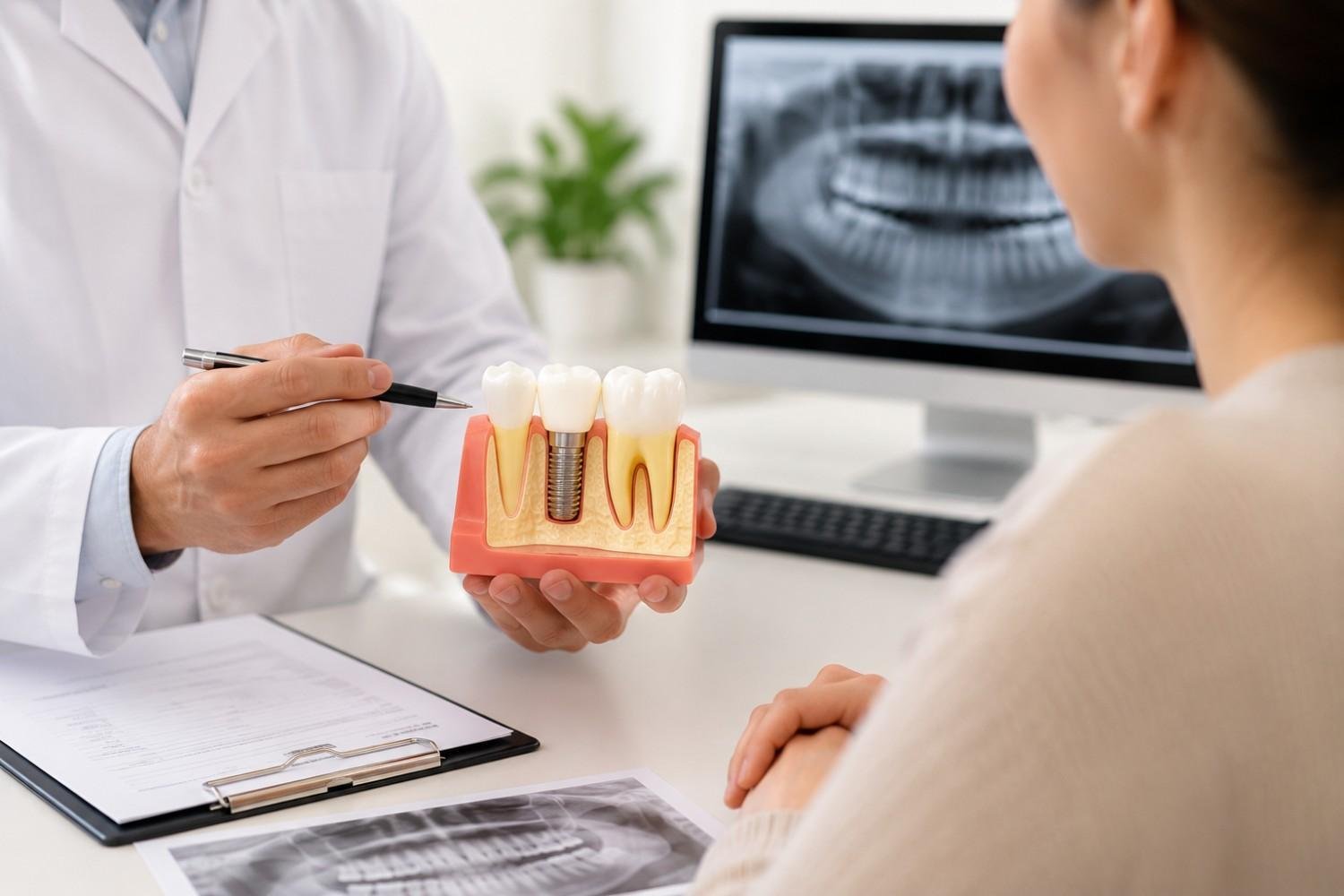
The practical difference is equipment and training. A dental practice has X-ray facilities to see what's happening below the gumline, local anaesthetic appropriate for dental tissue, and clinicians who can drain an abscess, start root canal treatment, splint a replanted tooth, or extract on the spot.
A hospital ED can prescribe and refer. That's a meaningful service when infection is spreading, but it's a holding pattern.
Practices that handle complex work in-house are particularly useful in emergencies, because the person who diagnoses the problem can also treat it. No referral, no second wait. Appin Dental Surgery, which serves Picton and the wider Wollondilly area, is set up this way, with root canal treatment, extractions and surgical procedures handled on site rather than sent elsewhere.
The other thing worth doing, ahead of time, is finding out what your regular practice does after hours. Many have an emergency line or a triage arrangement. Two minutes checking that now saves a great deal of confusion at 10pm on a Saturday.
A short preparation list
Save your dentist's number in your phone, not just in a drawer.
Know their after-hours arrangement.
Keep a small dental first aid kit if you have children playing sport: temporary filling material, sterile gauze, and a tooth preservation container or simply the knowledge that milk works.
Have mouthguards fitted properly for anyone playing contact sport. Custom mouthguards are more expensive than boil-and-bite versions and considerably more protective, and a knocked-out front tooth costs vastly more than the guard would have.
Australia's national health guidance on oral health and dental care sets out how often people attend and where the gaps sit, and one consistent finding is that people who avoid routine care end up in emergency situations more often. Most dental emergencies are the endpoint of something that was quiet and treatable a year or two earlier.
The summary version
Knocked-out adult tooth: milk or back in the socket, dentist within the hour.
Facial swelling, fever, trouble swallowing: same-day dental care, and hospital if breathing or swallowing is affected.
Persistent throbbing that wakes you: dentist within a day or two.
Lost filling or crown with no pain: normal appointment.
The general rule is simple enough. If the problem is inside the tooth, a dentist is the destination. Hospital is for when the infection has escaped the tooth and is threatening something larger.
Sponsored
Sponsored
Sponsored
Sponsored
Ads
Categories
Read More
It's not just oil: Why Iran war also threatens Asia's food security8 hours agoShawn Yuan,BBC World Service, Global China UnitandJiraporn Sricham,BBC ThaiBBCSuchart Piamsomboon, a 60-year-old rice farmer in Chachoengsao province, ThailandAs planting season dawned across South East Asia's rice fields, Suchart Piamsomboon, a 60-year-old farmer from Thailand's Chachoengsao province, went to the...

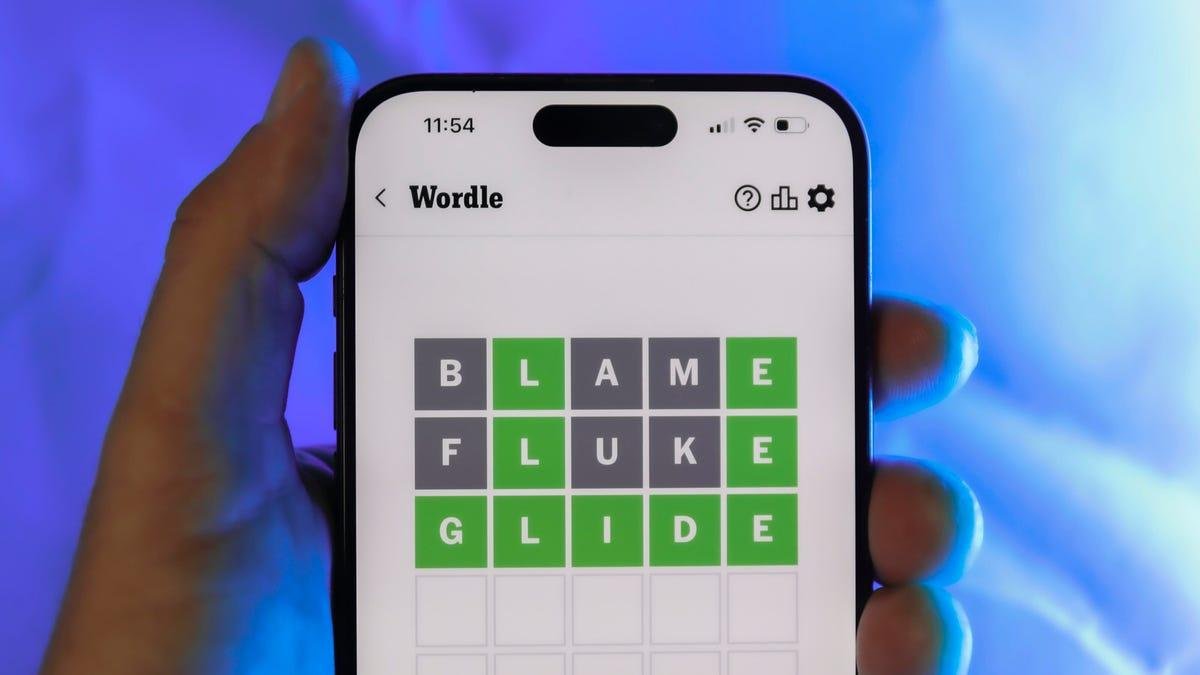
Today's Wordle Hints, Answer and Help for May 28, #1804Looking for the most recent Wordle answer? Click here for today's Wordle hints, as well as our daily answers and hints for The New York Times Mini Crossword, Connections, Connections: Sports Edition and Strands puzzles. Today's Wordle puzzle answer is a word I always associate with a certain sport. It also has a rare letter...
随着互联网技术的不断发展,人们对于网络连接质量的要求越来越高。无论是在办公室处理工作、参加远程会议,还是在线学习、观看高清视频,稳定的网络环境都能够直接影响使用体验。因此,一款操作简单、性能稳定且支持多平台的网络工具,成为许多用户关注的重点。QuickQ 凭借简洁的界面设计、优秀的兼容性以及持续优化的性能,逐渐成为不少用户选择的应用之一。 对于第一次接触这款软件的用户来说,了解它的功能特点、下载安装方式以及日常使用技巧,不仅能够帮助快速上手,还能够进一步提升整体使用体验。本文将围绕 QuickQ 进行全面介绍,让用户更加深入地了解这款应用的优势。 QuickQ 是什么 QuickQ 是一款支持多个平台使用的网络连接工具,旨在为用户提供稳定、流畅且便捷的网络体验。软件采用简洁的设计理念,让用户无需复杂设置即可完成安装和使用。无论是在电脑还是移动设备上,QuickQ...

What's New on Peacock in May? Catch the Kentucky Derby, a 'Summer House' Reunion and MorePeacock is home to some of the most addictive original reality series out there, including The Traitors, Love Island and House of Villains. It's also the streaming home to Bravo franchises like The Real Housewives, Summer House and Top Chef. But even though the platform boasts a great roster of unscripted...

Eritrea football: Seven players fail to return home after international match2 hours agoTesfalem AraiaBBC TigrinyaENFFEritrea has reached the qualifying group stages for the Africa Cup of NationsSeven players from the Eritrean football squad that scored a historic victory in Eswatini last week have failed to return home, a source close to the team has told the BBC.While some of their teammates...