Digital Printing on Fabric: Benefits, Process & Uses
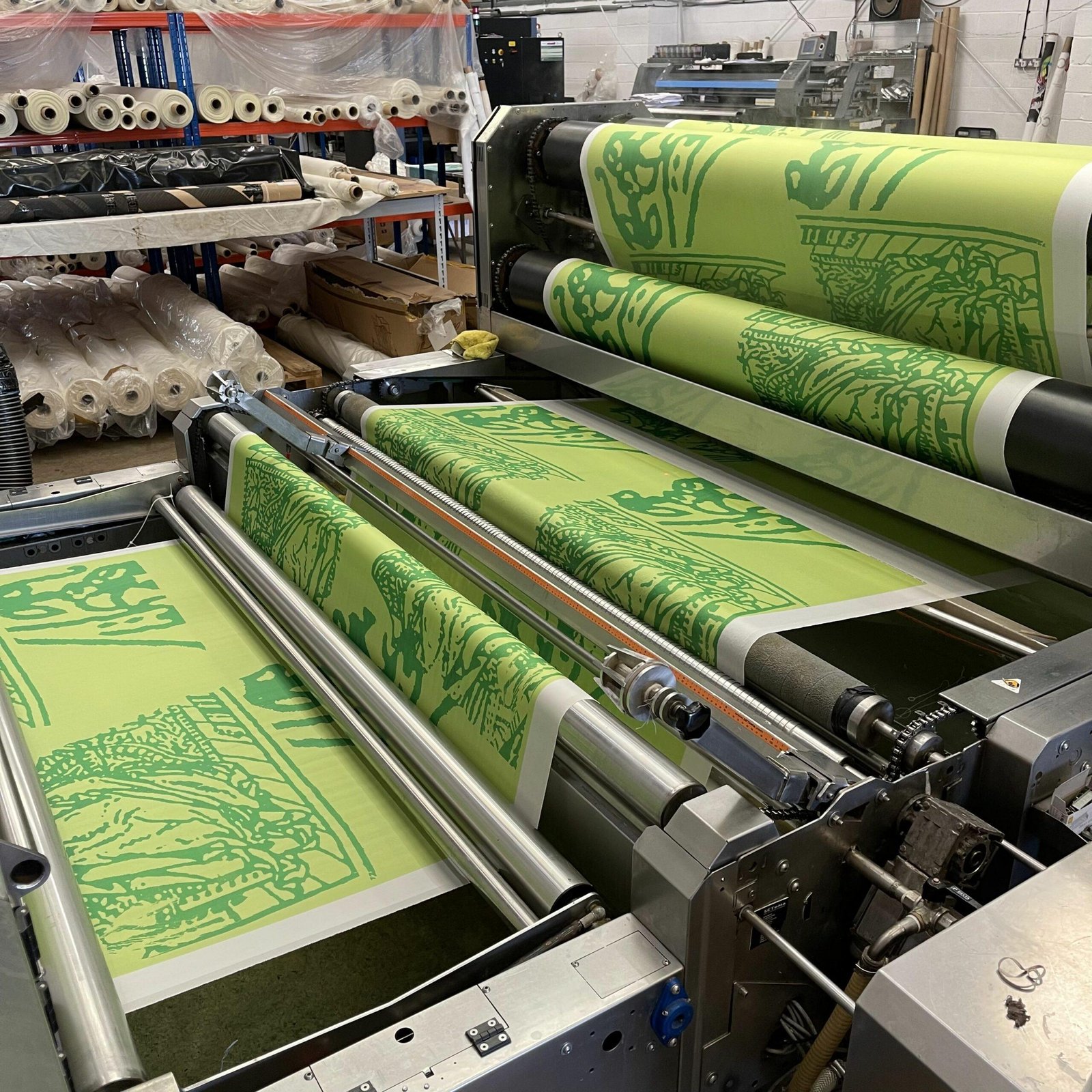
Digital printing on fabric has become one of the most significant advancements in the textile industry. It allows manufacturers, fashion designers, and businesses to print high-quality images, patterns, and graphics directly onto fabric using specialized digital printers. Unlike traditional printing methods that require screens or printing plates, this technology uses digital files, making production faster, more flexible, and highly accurate.
As demand for customized textiles continues to grow, digital printing on fabric has gained popularity across industries ranging from fashion and interior decoration to advertising and industrial manufacturing. The ability to produce small or large quantities with excellent color quality and minimal setup has made it a preferred choice for businesses looking to combine creativity with efficiency.
What Is Digital Printing on Fabric?
Digital printing on fabric is a textile printing process that transfers computer-generated artwork directly onto fabric using inkjet printing technology. Instead of preparing separate screens for each color, the printer places microscopic droplets of ink precisely where they are needed.
This process enables highly detailed prints, smooth color transitions, and photographic-quality images that would be difficult or expensive to achieve with conventional printing methods. Since everything begins with a digital design, modifications can be made quickly without interrupting production.
How the Process Works
Although equipment and materials may vary, the process generally includes the following steps:
Design Creation
Designers prepare artwork using professional graphic design software. High-resolution files ensure sharp and accurate printing.
Fabric Preparation
Some fabrics require pre-treatment to improve ink absorption, color brightness, and wash durability.
Digital Printing
The prepared fabric is loaded into a textile printer, which applies specialized inks directly to the material.
Ink Fixation
Heat, steam, or ultraviolet curing permanently bonds the ink with the fabric fibers.
Finishing
The printed fabric is washed, dried, and finished to remove excess chemicals while improving softness and durability.
Types of Digital Printing on Fabric
Several digital printing technologies are available, each designed for different materials and applications.
Direct-to-Fabric Printing
This method prints directly onto textile materials without using transfer paper. It is commonly used for cotton, silk, linen, rayon, and blended fabrics.
Dye Sublimation Printing
Dye sublimation involves printing the design onto transfer paper before using heat to transfer the dye into polyester fibers.
Because the dye becomes part of the fabric, the finished print remains smooth, breathable, and resistant to fading.
Direct-to-Garment Printing
Direct-to-garment, commonly called DTG printing, is widely used for customized clothing such as T-shirts, hoodies, and sweatshirts.
It allows businesses to produce personalized garments with minimal setup.
Pigment Printing
Pigment printing uses water-based pigment inks that work well on many fabric types.
Modern pigment printing systems often require fewer processing steps while offering excellent environmental performance.
Fabrics Suitable for Digital Printing
The success of digital printing depends largely on selecting the right fabric.
Natural Fabrics
Natural fibers commonly used include:
-
Cotton
-
Silk
-
Linen
-
Wool
These materials usually provide excellent ink absorption and produce sharp, detailed prints.
Synthetic Fabrics
Popular synthetic materials include:
-
Polyester
-
Nylon
-
Spandex
Polyester is especially suitable for dye sublimation because it delivers bright colors and long-lasting results.
Blended Fabrics
Blended fabrics combine natural and synthetic fibers to improve durability, comfort, and print performance.
The printing method should always match the fiber composition.
Applications of Digital Printing on Fabric
Digital textile printing serves many industries due to its flexibility and efficiency.
Fashion and Apparel
Fashion brands use digital printing for dresses, shirts, jackets, sportswear, scarves, and limited-edition collections.
Design changes can be implemented quickly, making it easier to respond to changing market trends.
Home Textiles
Digital printing is widely used for home furnishing products such as:
-
Curtains
-
Cushion covers
-
Upholstery fabrics
-
Bed sheets
-
Tablecloths
The technology allows detailed patterns and vibrant colors that enhance interior spaces.
Promotional Products
Businesses frequently print logos and promotional graphics on:
-
Flags
-
Exhibition displays
-
Event backdrops
-
Promotional banners
The high image quality makes digital printing ideal for branding purposes.
Industrial Textiles
Manufacturers also use digital printing for automotive interiors, technical fabrics, medical textiles, and specialized industrial applications.
Practical Benefits of Digital Printing on Fabric
Digital textile printing offers numerous advantages for manufacturers and businesses.
Outstanding Print Quality
Modern printers produce sharp details, smooth gradients, and vibrant colors with exceptional consistency.
Faster Production
Because no screens are required, production can begin immediately after artwork approval.
This significantly reduces lead times.
Cost Effective for Small Orders
Traditional textile printing becomes expensive for limited production because of setup requirements.
Digital printing eliminates most setup costs, making short production runs economically practical.
Unlimited Design Possibilities
Designers can print photographs, intricate illustrations, gradients, and complex color combinations without additional production steps.
Reduced Waste
Digital printing applies ink only where needed, reducing excess materials and minimizing waste.
Many systems also consume less water compared to traditional textile printing methods.
Easy Customization
Every printed item can feature a different design without increasing production complexity.
This makes digital printing ideal for personalized clothing, branded merchandise, and custom interior products.
Common Challenges and Considerations
Despite its advantages, digital textile printing has several practical considerations.
Equipment Cost
Professional digital textile printers require substantial investment, particularly for high-volume manufacturing.
Many businesses begin by outsourcing printing before purchasing equipment.
Fabric Compatibility
Different fabrics require specific ink formulations and pre-treatment processes.
Selecting unsuitable materials can reduce print quality and durability.
Color Management
Maintaining accurate colors across multiple production batches requires regular calibration and professional color management systems.
Durability
Print longevity depends on fabric quality, ink selection, curing methods, and proper finishing procedures.
High-quality production ensures resistance to repeated washing and regular use.
Key Insights for Businesses
Businesses planning to adopt digital textile printing should evaluate their production requirements before selecting equipment or outsourcing services.
For companies producing customized products, digital printing offers exceptional flexibility because each design can be modified without expensive setup procedures.
Investing in quality fabrics, reliable inks, and professional color management will consistently produce better customer satisfaction and longer-lasting products.
Frequently Asked Questions (FAQs)
1. What is digital printing on fabric?
Digital printing on fabric is a process that prints digital artwork directly onto textile materials using specialized inkjet printing technology.
2. Which fabrics are best for digital printing?
Cotton, polyester, silk, linen, wool, rayon, and blended fabrics are commonly used depending on the printing technology and ink type.
3. Is digital printing suitable for small businesses?
Yes. Digital printing is ideal for small businesses because it supports short production runs, customized orders, and fast turnaround times.
4. How durable are digitally printed fabrics?
When produced using quality inks and proper curing methods, digitally printed fabrics maintain their appearance through repeated washing and everyday use.
5. Is digital printing environmentally friendly?
Many digital printing technologies use less water, generate less waste, and require fewer chemicals than traditional textile printing, making them a more sustainable production option.
Conclusion
Digital printing on fabric has transformed textile manufacturing by combining speed, precision, and creative freedom in a single production process. Its ability to produce detailed designs, vibrant colors, and customized products without extensive setup has made it an essential technology for modern textile businesses.
Whether used for fashion, home furnishings, promotional products, or industrial textiles, digital printing provides significant advantages in efficiency, flexibility, and product quality. As printing equipment, ink technology, and sustainable manufacturing practices continue to improve, digital textile printing will remain a driving force in the future of the global textile industry. Businesses that embrace this technology are well positioned to meet changing customer expectations while maintaining high standards of quality and innovation.
Sponsor
Sponsor
Sponsor
Sponsor
Zoekertjes
Categorieën
Read More
Roku's New Home Screen Has More Personalization -- and a Large AdRoku is rolling out a new interface across all of its devices, which now includes a prominent 'For You' section -- and a large ad. Also read: Best Streaming Devices of 2026At an event in New York City, Roku's Preston Smalley said this was the first major update to the home screen in a decade. "This is one of the most...

Japan approves removing ban on lethal weapons exports Japan endorsed scrapping a ban on lethal weapons exports, a significant change of its postwar pacifist policy, as the country seeks to build up its arms industry.

Japanese Gothic is a gorgeously grotesque ghost storyI’ll give the usual caveat: The horror novel Japanese Gothic is best experienced going in with as little information as possible. Content warnings for graphic gore, scenes of domestic violence, self-harm, and mental illness. If you’re okay with that, then consider pausing here. While I will try to keep this relatively spoiler-free, there will...

I've been locked into MLB The Show 26 since early access, and for once it doesn't feel like SDS just taped a theme onto Diamond Dynasty and called it a day. The World Baseball Classic content actually moves with the real tournament, so you're not stuck waiting weeks for "moments" that everyone's already forgotten. And yeah, the grind is still the grind. If you're short on time, there's a simple...

X is testing a new ad format that connects posts with products X is testing a new ad format that inserts a recommendation directly underneath a post that references the company or its products. The initial test, spotted by an X user in Europe, displayed a suggestion to “Get Starlink” beneath a post from a user that said Starlink’s satellite service works great in Portugal. The link, when...