Why an Auto Clean Chimney Is Worth the Upgrade
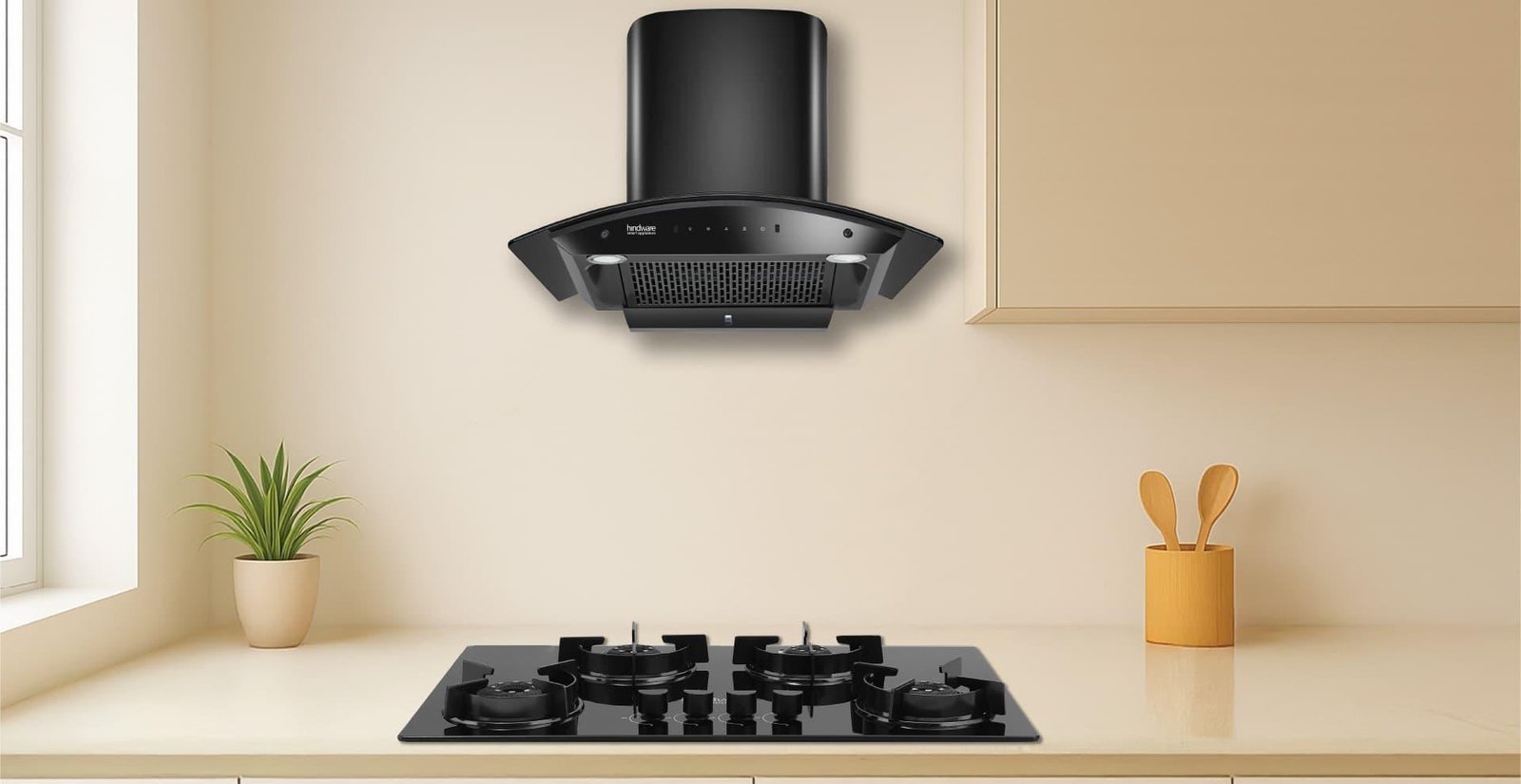
Indian cooking is hard on a kitchen. The tadka hits the pan, and within seconds the air is thick with oil particles, smoke, and whatever spice you just added. A chimney is meant to deal with that, but a traditional one comes with its own chore: scraping baked-on grease off the filter every few weeks.
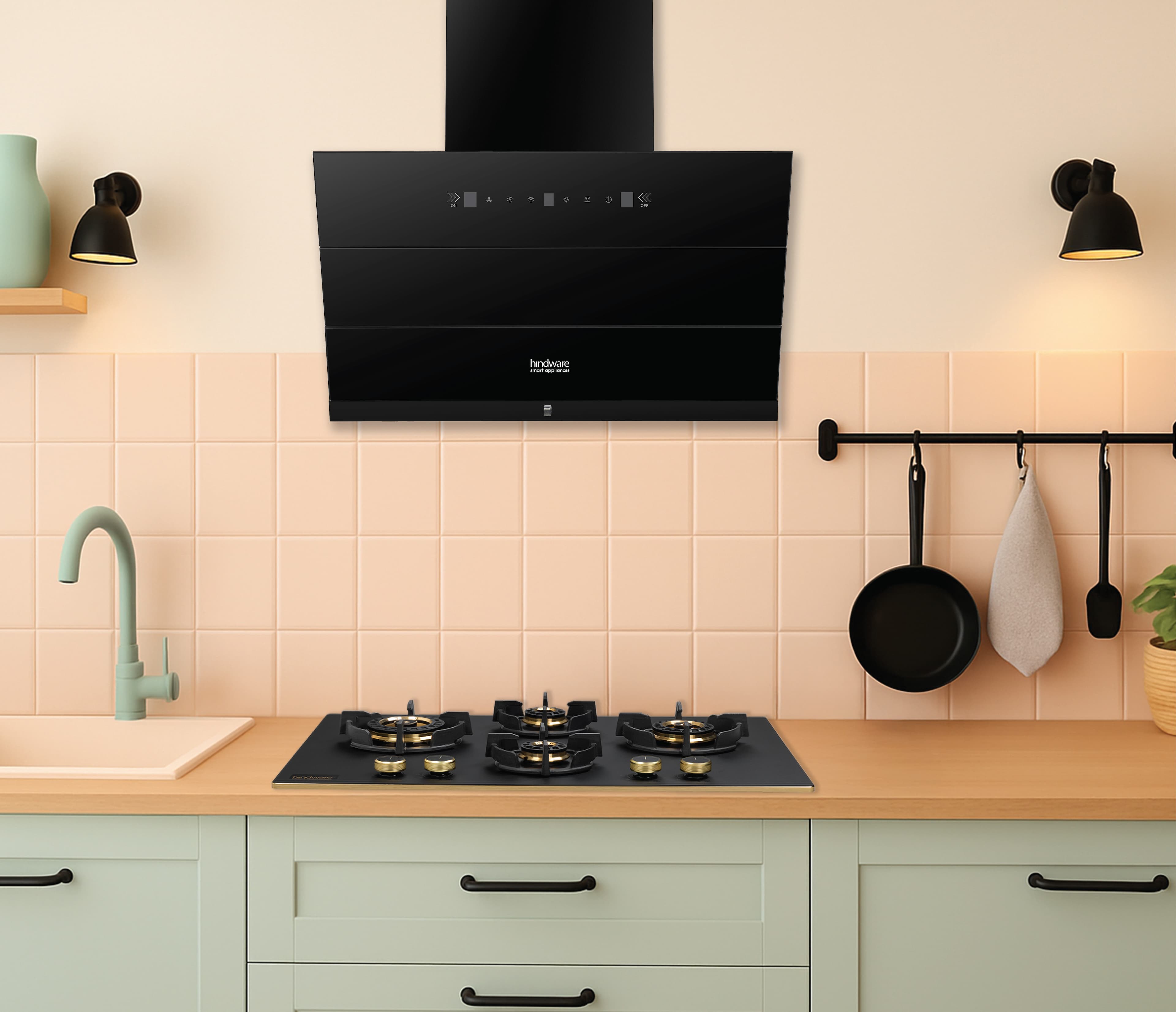
What Makes It Different from a Regular Chimney
A standard chimney pulls smoke, odour, and oil out of the kitchen air but leaves the grease sitting in a mesh filter that needs manual scrubbing. An auto-clean chimney is built differently. It uses heat to melt collected grease and drains it into a removable oil tray, so there is far less scrubbing involved and the filter stays effective for longer.
What to Look for While Buying One
-
Thermal cleaning over water-based: Chimneys that use heat to clear grease tend to hold up better over time than water-based auto-clean systems, which are more prone to residue build-up and wear.
-
Suction power: For typical Indian cooking, a suction rating of around 1200 cubic metres per hour gives the motor enough pull to clear oil particles and smoke effectively.
-
Filterless design: Instead of a mesh or baffle filter, some chimneys use centrifugal force to spin oil straight into the collector tray, cutting down on maintenance further.
Choosing the Right One for Your Kitchen
-
Size and layout: The right chimney width depends on your hob size and kitchen layout, not just what looks good.
-
Maintenance needs: If you would rather not clean filters at all, look for one built around low-maintenance filtration.
-
Noise: A chimney running above 58 decibels can be distracting during cooking, so it is worth checking this figure before buying.
Anyone renovating a kitchen or buying kitchen appliances online to replace the old ones should treat the chimney as more than an afterthought. It is one of the few appliances that runs every single time you cook. This kind of chimney may cost marginally more upfront, but the time saved on cleaning and the difference in air quality tends to make up for it within the first year.
Patrocinados
Patrocinados
Patrocinados
Patrocinados
Publicaciones
Categorías
Read More
When Can You Start Filing Taxes? We research all brands listed and may earn a fee from our partners. Research and financial considerations may influence how brands are displayed. Not all brands are included. Learn more. It might still be winter, but just like those April showers, Tax Day will be here before you know it....
Congress just gave DHS another $70 billionCongress narrowly voted to fund President Donald Trump’s mass deportation agenda, giving the Department of Homeland Security $70 billion over the next three years.The house voted 214 to 212 in favor of the reconciliation bill Tuesday, following the Senate’s 52-47 vote last Friday morning. The vote fell largely along party lines. Sen. Lisa Murkowski...

Iran's propaganda machine trolls Trump An Iranian AI-generated propaganda video. hide caption toggle caption TEL AVIV, Israel — A new front has opened in the war with Iran — the virtual one. Alongside drones and missiles, Iran is now...

Parents often worry about how much time their kids spend on screens, but Pok Pok offers a solution that combines fun and learning. This Montessori-inspired app is designed for children aged 2 to 8 and features a variety of ad-free games and activities that promote creativity and critical thinking. For a limited time, you can get a lifetime subscription to Pok Pok for just $44.97, down from the...

Woman dies after falling into uncovered New York City manholeCBSA woman has died after stepping out of her car and falling 10 ft (three metres) down an uncovered maintenance hole on Fifth Avenue in New York City, police have said.Officers responded to an emergency call in Manhattan and found the woman unconscious and unresponsive down the manhole just before midnight on Monday. The woman,...