What Is a Strategic Economic Plan? A Simple Guide
What Is a Strategic Economic Plan?
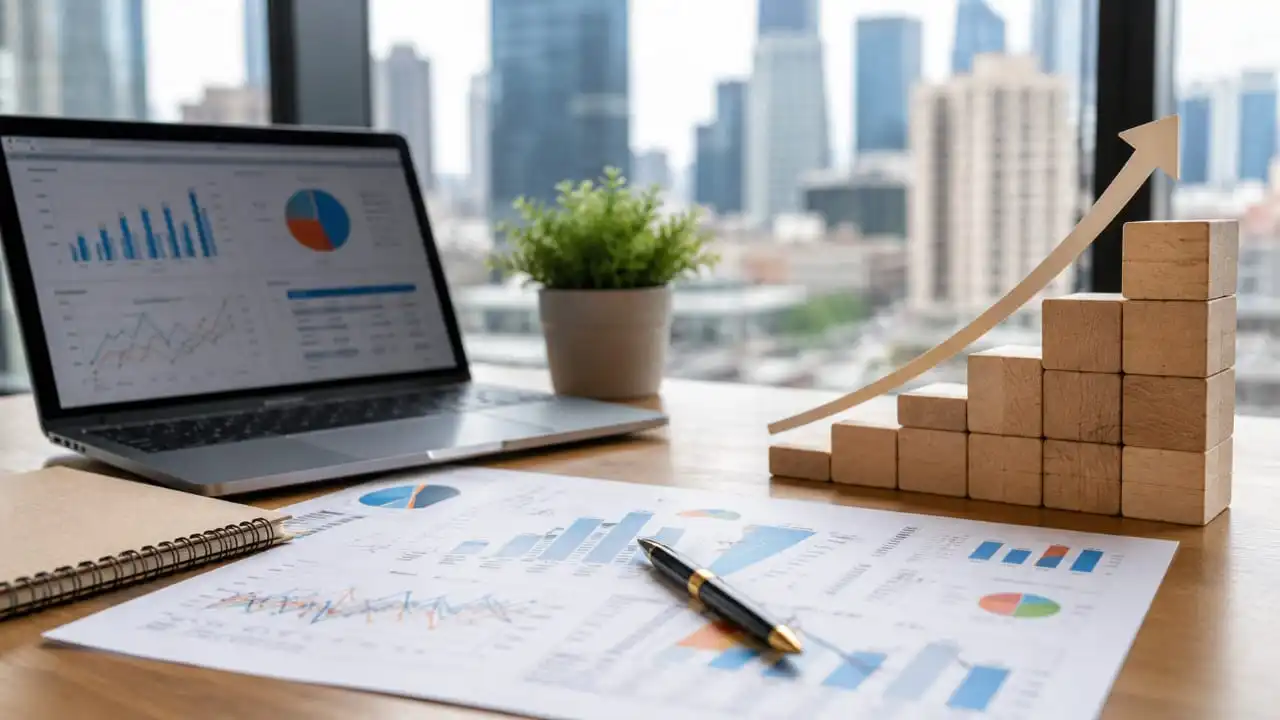
A strategic economic plan is a written roadmap that lays out how a country, region, city, or organization intends to grow its economy over a set period of time. It sets clear goals — like creating jobs, attracting investment, or supporting local businesses — and explains the exact steps needed to reach them.
Think of it like a business plan, but for an entire economy instead of a single company. Instead of one owner making decisions, a strategic economic plan usually involves government leaders, business owners, community groups, and sometimes everyday residents working together to decide what the local economy needs most.
Why a Strategic Economic Plan Matters
Without a plan, economic growth tends to happen by chance. A few businesses succeed, some jobs are created, but there's no clear direction. A strategic economic plan changes that by giving decision-makers a shared goal to work toward.
Here's what a good plan typically helps with:
- Attracting investment – Investors feel more confident putting money into a place that has a clear, well-researched growth strategy.
- Creating jobs – Plans usually identify which industries have the most potential, so training programs and hiring efforts can focus there.
- Guiding public spending – Governments can direct limited budgets toward projects that actually move the needle, instead of spreading money too thin.
- Preparing for change – A solid plan accounts for challenges like automation, changing consumer habits, or shifts in global trade.
The Core Parts of a Strategic Economic Plan
While every plan looks a little different depending on the size and needs of the place it covers, most strategic economic plans include the same basic building blocks:
1. A Clear Assessment of the Current Economy
Before setting goals, planners need to understand where things stand today. This usually includes data on employment, major industries, average incomes, and population trends.
2. Specific, Measurable Goals
Vague goals like "grow the economy" don't help much. Strong plans set specific targets, such as adding a certain number of jobs in a particular industry within five years.
3. A List of Priority Industries
Most regions can't support every type of business equally well. Plans usually highlight two or three industries where the area already has strengths — like manufacturing, tourism, healthcare, or technology — and focus resources there.
4. An Action Plan With Responsibilities
This is where the plan gets practical. It lists specific actions, who is responsible for each one, and a rough timeline for getting it done.
5. A Way to Measure Progress
A plan is only useful if someone checks whether it's working. Most strategic economic plans include yearly reviews or specific metrics — like job growth or new business registrations — to track results over time.
Who Creates These Plans?
Strategic economic plans are usually developed by:
- City and state governments, often through a dedicated economic development office
- Regional planning organizations that cover multiple cities or counties
- Chambers of commerce and business associations
- National governments, for country-wide strategies
In most cases, the process also includes public input — through surveys, town halls, or advisory committees — so the plan reflects what residents and business owners actually need, not just what officials assume.
Common Mistakes to Avoid
Even well-intentioned plans can fail if they run into these issues:
- Setting goals with no clear owner. If no one is responsible for a task, it usually doesn't get done.
- Ignoring local strengths. Copying another city's plan rarely works if the local economy looks completely different.
- Skipping regular reviews. A plan that's written once and never revisited quickly becomes outdated.
- Overpromising. Plans that set unrealistic timelines often lose public trust when targets are missed.
Final Thoughts
A strategic economic plan is really just a structured way of answering three questions: Where are we now? Where do we want to be? And how exactly do we get there? When it's built on accurate data, realistic goals, and genuine input from the community, it becomes one of the most valuable tools a region has for building long-term, stable growth.
Whether you're a policymaker, a business owner, or simply curious about how your city plans for the future, understanding the basics of a strategic economic plan helps you see the bigger picture behind the decisions shaping your local economy.
Sponsored
Sponsored
Sponsored
Sponsored
Ads
Categories
Read More
Man jailed over plot to attack Taylor Swift concert in Vienna6 minutes agoBethany BellIn court in Wiener NeustadtBBCA 21-year-old Austrian man, who has admitted plotting a jihadist attack on a Taylor Swift concert in Vienna during the singer's Eras tour in August 2024, has been sentenced to 15 years in prison.The man, named only as Beran A in line with Austrian privacy laws, also admitted other...

The Social Security Strategy That Starts With Spending Down Cash First We research all brands listed and may earn a fee from our partners. Research and financial considerations may influence how brands are displayed. Not all brands are included. Learn more. If you retire at age 67 but don’t want to claim Social Security until age 70, you're...

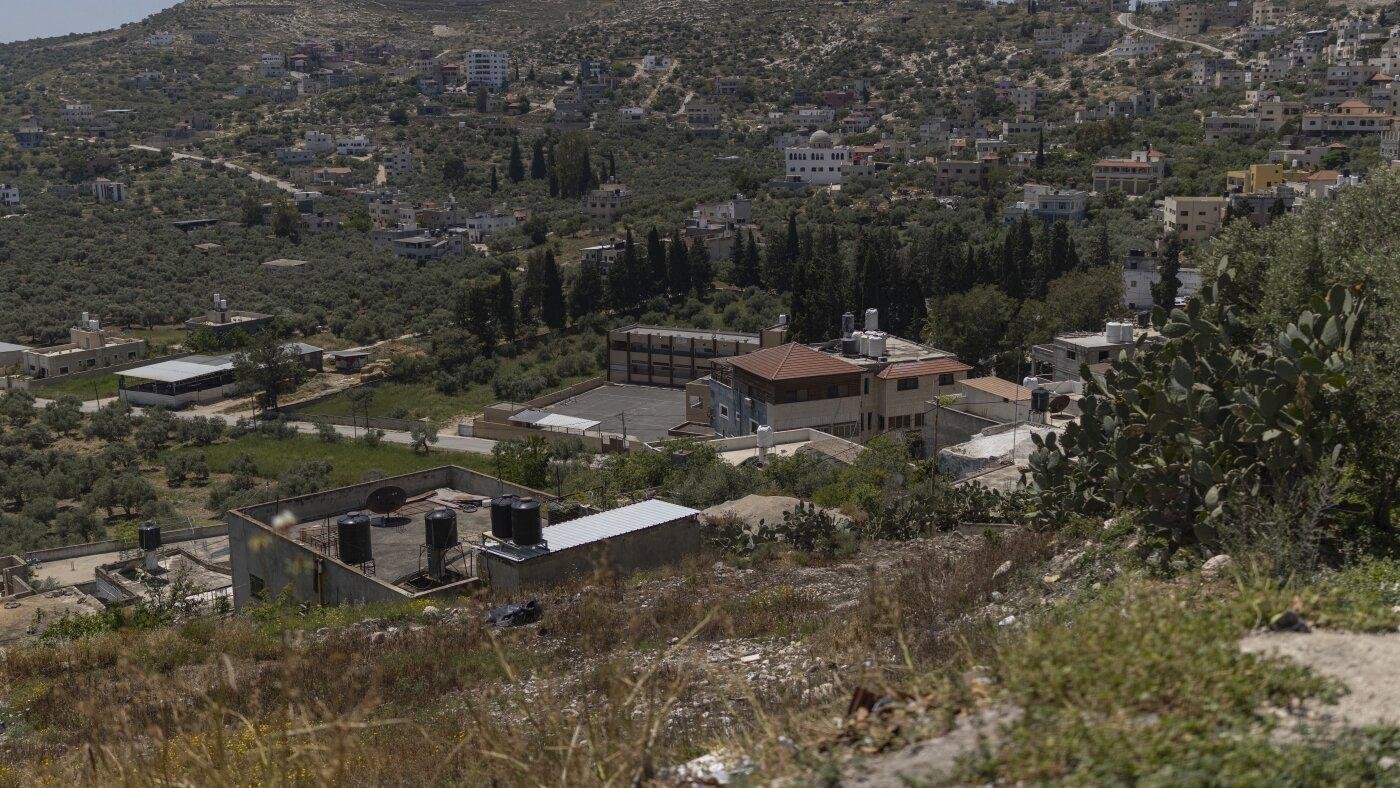
Israeli settlers force Palestinian family to exhume and rebury their father The Sa-Nur settlement is pictured in the south of Jenin, in the Israeli-occupied West Bank on May 7. Nearby, Israeli settlers dug up the grave of an elderly Palestinian man and forced his family to remove his...
Three Kosovo Serbs jailed over deadly gun battle and monastery siege39 minutes agoGuy DelauneyBalkans correspondentAFP via Getty ImagesDušan Maksimović (centre) is seen handcuffed in a courtroom in Pristina after being sentenced to 30 years in prisonA court in Kosovo has sentenced two Kosovo Serbs to life imprisonment and another to a 30-year jail term for taking part in what it described as a...

Total repression and air strikes bring daily unrelenting dread for IraniansFergal KeaneSpecial correspondentWatch: Iranians show daily life under air strikes and regime crackdownA woman stands on a rooftop listening to the sounds of the city below. There is only the dull hum of traffic tonight. But she knows how easily that can change. It is usually the dogs who notice the sound first and begin...