Indoor vs Outdoor Electrical Enclosures: Which One Do You Need?
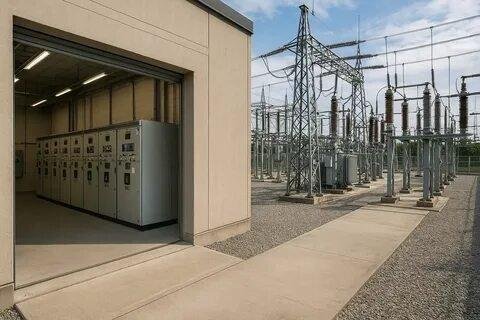
Choosing the right electrical enclosure is essential for protecting industrial equipment from damage, reducing safety risks, and maintaining reliable system performance. Installing the wrong enclosure can expose electrical components to moisture, dust, heat, or physical impact, leading to equipment failures and expensive downtime. The practical solution is to match the enclosure to the installation environment and operating conditions. Careful selection helps extend equipment life, improve workplace safety, and keep industrial electrical systems operating efficiently under everyday conditions.
Understanding the Purpose of Electrical Enclosures
Electrical enclosures do much more than hold electrical components. They protect circuit breakers, control systems, wiring, and power distribution equipment from environmental conditions that could affect performance or create safety hazards. I have worked in facilities where a properly selected enclosure prevented moisture from reaching sensitive electrical equipment during severe weather, avoiding what could have been a costly shutdown. Choosing the right enclosure is one of the simplest ways to improve long term system reliability.
Many industrial installations include specialized equipment such as 200 amp power input panels, and the enclosure surrounding these components should provide protection that matches the working environment. The enclosure should also allow safe access for inspections and maintenance without exposing equipment to unnecessary risks. Selecting the correct enclosure from the beginning reduces future maintenance challenges. Proper protection supports dependable electrical performance for many years.
When Indoor Electrical Enclosures Are the Right Choice
Indoor electrical enclosures are designed for controlled environments where equipment is protected from rain, direct sunlight, and extreme weather. They are commonly installed in manufacturing plants, warehouses, mechanical rooms, and production areas where environmental conditions remain relatively stable. These enclosures provide dependable protection against accidental contact, dust, and everyday workplace conditions.
I have inspected many indoor facilities where properly installed electrical enclosures remained in excellent condition after years of operation. Regular cleaning and routine inspections helped keep internal components free from dust buildup and overheating. In clean environments, indoor enclosures often provide excellent long term performance with minimal maintenance.
When Outdoor Electrical Enclosures Are Necessary
Outdoor electrical enclosures are built to withstand much harsher conditions. Rain, snow, sunlight, wind, humidity, temperature changes, and airborne contaminants all place additional stress on electrical equipment installed outside. These enclosures are designed to prevent water intrusion while protecting internal components from corrosion and environmental damage.
Outdoor installations often serve pumping stations, utility equipment, backup generators, construction sites, and industrial yards. Selecting an enclosure with the correct environmental protection rating helps maintain reliable operation despite changing weather conditions. Good protection also reduces repair costs over the equipment's service life.
Environmental Conditions Matter More Than Location Alone
One common misunderstanding is that every indoor environment is clean and every outdoor location is equally demanding. In reality, some indoor industrial processes create heavy dust, chemical exposure, moisture, or vibration that require stronger enclosure protection than a standard indoor installation. Likewise, certain outdoor locations may have less environmental exposure depending on the application.
I always encourage facility managers to evaluate actual operating conditions instead of choosing an enclosure based only on whether it is inside or outside. Understanding the environment leads to better equipment protection and fewer maintenance problems over time.
Think About Maintenance and Accessibility
The best enclosure should protect equipment while still allowing safe maintenance access. Electrical panels that are difficult to reach often receive less frequent inspections, increasing the chance that developing problems will go unnoticed. Proper installation provides enough working space for technicians to inspect, test, and service equipment safely.
During one facility improvement project, I worked with engineers from Roam Technologies while reviewing enclosure locations throughout a manufacturing plant. Several panels were relocated to improve maintenance access while maintaining the required environmental protection. That small design change made routine inspections faster and reduced maintenance challenges without affecting production.
Key Factors to Consider Before Choosing an Enclosure
Selecting the right enclosure involves more than deciding whether it will be installed indoors or outdoors.
- Evaluate moisture, dust, heat, and chemical exposure.
- Select an enclosure rated for the actual operating environment.
- Allow enough working space for safe maintenance.
- Protect equipment from vibration and physical damage.
- Inspect seals and doors during routine maintenance.
- Keep ventilation openings clean where required.
- Review future expansion needs before installation.
Understand the Impact of Temperature
Temperature plays an important role in electrical equipment performance. High heat can shorten the life of breakers, relays, wiring insulation, and electronic components. Cold weather may also affect equipment depending on the operating conditions and enclosure design.
Proper ventilation, cooling, or heating may be necessary for some applications. I have seen outdoor enclosures perform reliably for years because they included appropriate environmental controls for local conditions. Managing temperature protects equipment while improving system reliability.
Material Selection Makes a Difference
Electrical enclosures are available in different materials, including steel, stainless steel, aluminum, and nonmetallic designs. Each material offers advantages depending on the surrounding environment. Corrosive industrial areas may require different enclosure materials than clean manufacturing plants or warehouse installations.
Choosing the right material helps extend equipment life and reduce maintenance costs. Matching enclosure construction to the environment provides better long term value than selecting equipment based only on initial purchase price.
Plan for Future Facility Growth
Industrial facilities continue changing as production expands and new equipment is added. Electrical enclosure selection should support future modifications without requiring major redesigns. Leaving space for additional wiring, equipment, or distribution components simplifies future upgrades.
Planning ahead reduces installation costs when expansion becomes necessary. Flexible electrical layouts help facilities adapt to changing operational needs while maintaining safe and organized installations.
Build a Reliable Protection Strategy
Choosing between indoor and outdoor electrical enclosures should be part of a larger equipment protection strategy. Routine inspections, preventive maintenance, proper installation, and employee awareness all contribute to dependable electrical performance. Every improvement helps reduce equipment failures and supports safe operation.
From my experience, the most reliable facilities are not simply those with the newest equipment. They are the ones where enclosure selection matches actual operating conditions and maintenance is performed consistently. Good planning creates electrical systems that remain dependable for many years.
Conclusion
Choosing between indoor and outdoor electrical enclosures depends on environmental conditions, equipment requirements, maintenance access, and future operational needs. Matching the enclosure to the application helps protect electrical components from moisture, dust, temperature changes, and physical damage while improving workplace safety and system reliability. By evaluating operating conditions carefully and planning for future growth, industrial facilities can select electrical enclosures that provide dependable protection, reduce maintenance costs, and support efficient long term electrical performance.
Sponsorizzato
Pubblicità
Pubblicità
Pubblicità
Categorie
Leggi tutto
First beluga whales relocated from closed Marineland park arrive at new homes in the USSix beluga whales have arrived at aquariums in the United States after being moved from a closed Canadian marine park that could no longer care for the mammals.They are part of a large pod of 30 belugas living at Marineland of Canada that need to be rehomed.Sierra, Acadia, Osiris and Lillooet arrived at a...
Syna World Short Set Brings Modern Streetwear to Life The Syna World Short Set has become one of the most talked-about outfits in modern streetwear. Designed for people who appreciate comfort, quality, and fashion, this matching set offers a clean look that works for many occasions. From city streets to casual meetups, the short set delivers a stylish appearance without trying too hard. It...

U.S. to withdraw 5,000 troops from Germany in next 6-12 months President Donald Trump arrives to speak at a charter school in The Villages, Fla., Friday, May 1, 2026. Matt Rourke/AP...
YouTube TV introduces cheaper bundles, including a $65/month sports package YouTube on Monday introduced lower-priced YouTube TV plans that that will allow subscribers to better tailor their plans to their own interests in areas like sports, news, and entertainment. The company said that it will offer more than 10 different plans to choose from, all priced below the $82.99 per month main...

Fannie Masemola: South Africa's police boss to appear in court over Vusimuzi 'Cat' Matlala dealSouth Africa's police chief to appear in court over controversial health contractKhanyisile NgcoboJohannesburgGallo via Getty ImagesFannie Masemola is the third South African police chief to face a criminal investigation while in officeThe head of South Africa's police force has been summoned to...