Why people aren’t buying Mark Zuckerberg’s AI future
Why people aren’t buying Mark Zuckerberg’s AI future
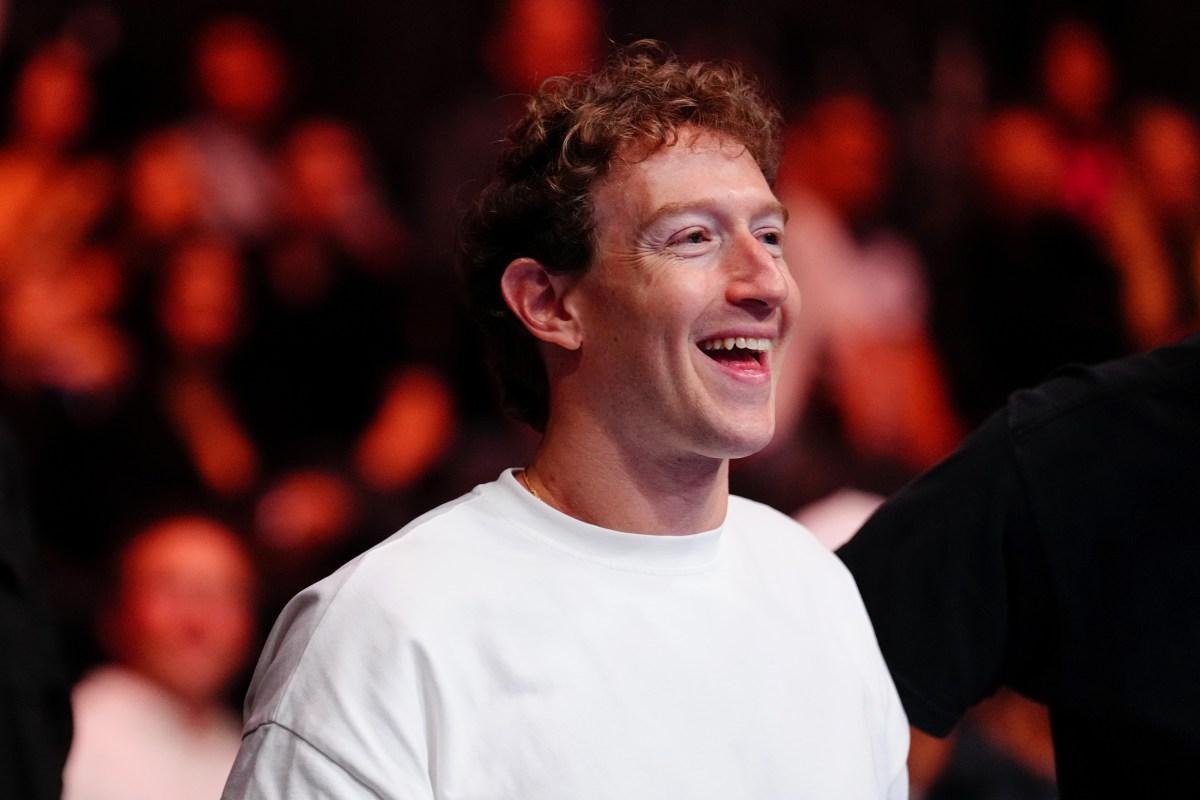
Meta CEO Mark Zuckerberg published a 6,500 word essay this week declaring that “The Future is for Everyone” and painting an optimistic picture of a future powered by AI, where “everyone will have an exceptionally capable personal agent that understands you, your goals, and everything you care about.”
On the latest episode of TechCrunch’s Equity podcast, Kirsten Korosec, Rebecca Bellan, and I discussed why not everyone is buying Zuckerberg’s vision — including our colleague Russell Brandom, who wrote that the manifesto is “exactly why people don’t like AI.”
Comparing Zuckerberg to Anthropic CEO Dario Amodei (who spent the weekend pushing back against the idea that he’s an AI doomer), Rebecca said the Meta CEO seems to be positioning himself “almost like an anti-Dario.” The problem, however, is Zuckerberg and Meta’s history.
“You look back to the social media days, [Zuckerberg] was saying that he wants to make sure that everyone has an outlet for talking to their friends and having a social network,” Rebecca said. “And what do we have instead? We have ragebaiting and advertisements, and not connection.”
Keep reading for a preview of our conversation, edited for length and clarity.
Rebecca Bellan: Cynically, I think that this is an attempt for Meta to win in a different way. They’re not winning in the frontier, closed-model space. They’re not necessarily even winning in the open space. But when it comes to personal empowerment, as Mark Zuckerberg talks about in his letter, “The Future Is for Everyone,” that’s where he’s trying to win. He’s trying to provide the models that people will use for their own personal AI on their own personal devices.
I think last year, when he published a [similar] “Futures for Everyone” letter, [the promise] was that a lot of that AI would go onto the glasses, the wearables, but it’s not really clear what the final hardware form factor for this would be, and I guess he’s like leaving it up to the individual to choose.
So his idea is that you’re using [Meta’s new AI model] Glimmer for managing your schedule, drafting messages, organizing files, it’s always on, it can operate anytime, anywhere, with or without an internet connection.
But then there is still Muse Spark, so that maintains a way for them to have some level of control over, still, its most capable models, and provide a revenue outlet for people who want to scale their compute, and people who want to like do larger projects, or companies that might want to do larger projects.
Anthony Ha: I imagine the part of the context here is also — Meta has made some very serious investments in AI, last year there [were] also all these stories about how much money they were trying to pay for AI scientists, but in terms of who we think of as the leading companies, the frontier labs, Meta doesn’t tend to come up in the conversation.
Another way it doesn’t come up in the conversation is in, you know, what are the popular consumer AI chatbots? Certainly, people are interacting with Meta AI tools in Instagram, in Facebook, but it’s not a company that you think of when, “I’m going to go use my personal assistant.” Meta isn’t that yet, and so it feels, to a certain extent, this is an attempt to reposition them and try to claim space that they really haven’t been that successful at before. Is that fair?
Rebecca: I think that is really fair to say. And I would take it with a grain of salt because Mark Zuckerberg loves to put out a vision of what his companies will do for people and how they will empower people. And so far, what that looks like for Meta — I mean, of course, Llama is great; it’s a great tool and open source, but I think that on a consumer level, how are people using Meta AI? Well, there’s like a lot of creepy-ass chatbots.
My TLDR is: I think that [Zuckerberg’s] letter and his idea of personal empowerment is putting a bad taste in a lot of people’s mouths because it’s him who’s saying it. Russell Brandom, our AI editor, wrote about this this week. You look back to the social media days, he was saying that he wants to make sure that everyone has an outlet for talking to their friends and having a social network. And what do we have instead? We have ragebaiting and advertisements, and not connection.
Kirsten Korosec: Yeah, I think that the manifesto didn’t strike the right note for a lot of people. And to Russell’s point, which he makes in this column, is it’s what’s making people hate AI or hate on AI — because, to your point, it is coming from Zuckerberg, and I do think also it feels very Pollyannish in a way. He’s put these thoughts out there in the past, and it really doesn’t provide what I think is a more realistic picture, but instead casts AI as this great tool for humanity. That might be the case, but there will also be extreme costs to that, and I think that’s why the negative reaction to it has been so widespread.
Rebecca: It feels like he’s positioning himself as almost like an anti-Dario. I don’t know. There’s a lot of talk among the frontier labs: “We’re pacing the frontier, pulling back, focus on safety. We need to slow down development.” They’re not doing any of that, of course, but they’re talking about it, and because of all these recent cybersecurity incidents that we’ve had.
Whereas Mark Zuckerberg, on the other hand, is like, “No, no, we do not slow down. We cannot afford to give an inch to China, and slowing down would only hurt the individual, who can be empowered by this technology.”
But I mean, I was like, “Oh, maybe I’ll try to download Muse Glimmer and see what I can do with it.” Can I download it to my MacBook? No. You need specific hardware. I forget what the hardware is — it’s not actually that accessible to the average person.
Kirsten: It’s not for everyone. Not yet.
Anthony: The one positive thing I will say for this very long manifesto — 6,500 words, longer than almost anything that’s been published on TechCrunch — is that there is one sentence where he says, “If you are an AI doomer and you believe that that’s the future that AI is going to bring, why are you building this stuff?”
Which I think is fair. Although my big takeaway from that is not that the AI future is great, but it makes you wonder about people who are making these predictions and then pushing ahead anyway.
I also wanted to talk a little bit about Russell’s point, which I think is totally a fair one, about how part of it is the messenger. For a variety of reasons, I think that people are suspicious of Mark Zuckerberg, of Meta, arguably that could become amplified over the next few months as this new Facebook movie is coming out.
But it’s also about the future that is being promised by these AI companies, and often why we see these viral pile-ons whenever Sam Altman or Mark Zuckerberg or somebody is making a prediction about this AI future and people essentially say, “Who wants this?” One of the more famous recent examples was Sam Altman talking about the idea of like, “You could use ChatGPT to make podcasts about your kids’ interests to listen to while driving to school,” And of course everyone is like, “Why don’t you just talk to your kid?”
Part of the manifesto was — half of it was just stuff where it is just, “It’s going to unleash all this creativity and invention,” and it’s so abstract. If you’re skeptical about AI, none of that is going to convince you, because it seems unreal. And then the stuff that is more concrete, about these personal coaches and assistants, there’s some aspects that appeal, but a lot of [them] that don’t.
When you purchase through links in our articles, we may earn a small commission. This doesn’t affect our editorial independence.
Sponsorluk
Reklam
Reklam
Reklam
Kategoriler
Read More
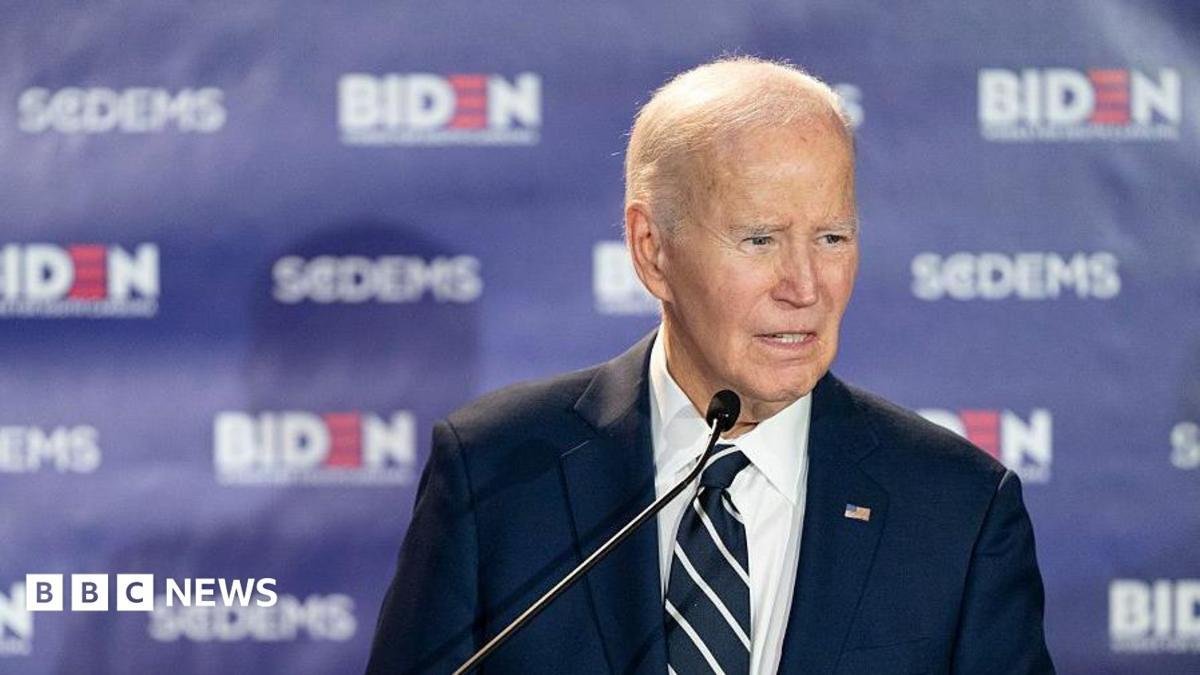
Biden blasts Trump 'vanity projects', calling him a 'loser' at fundraising eventFormer US President Joe Biden launched a sweeping attack on President Donald Trump, during a gala event at the weekend - labelling his successor "a loser" on account of his "vanity projects" in Washington DC. At a Democratic Party fundraiser on Saturday, Biden attacked Trump’s plans to construct a ballroom and the...
When buyers compare Fireproof Fabric, they are usually trying to solve more than one problem at the same time: safety, durability, and the ease of turning raw material into a finished product. A second reason people search for Fireproof Fabric is that the material must often meet practical demands that go beyond heat resistance, including consistent texture, manageable weight, and reliable...

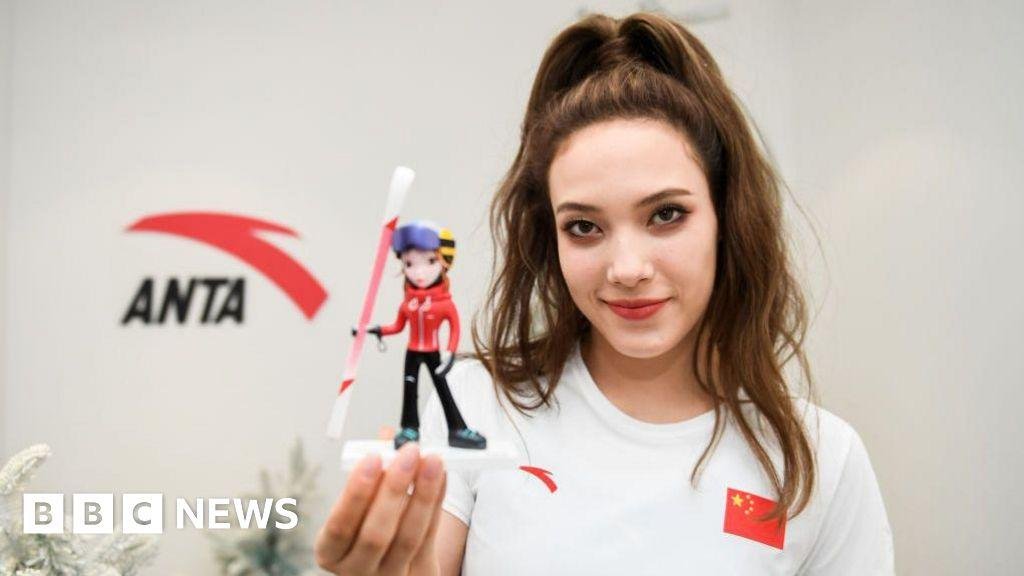
Anta: The Chinese sports brand taking on Nike and Adidas44 minutes agoOsmond ChiaBusiness reporterGetty ImagesChinese sportswear brand Anta counts Olympic freestyle skier Eileen Gu among its brand ambassadorsChina's economy was just starting to open up in the late 1980s when a determined high school dropout made his way to Beijing with 600 pairs of shoes. Ding Shizhong had them made in a...
US says dozens of countries helped China dodge Trump's tariffsThe White House said in a report on Thursday that more than 40 countries have helped China sidestep US tariffs by routing exports through nations that face lower American import duties.The countries named include Canada, India, Mexico, Japan and South Korea, which the White House said had helped China evade tens of billions of...

The Loverboy Hat is recognized around the world for its unusual silhouette, long knitted ears, and creative approach to traditional headwear. While the design is the first thing most people notice, the materials and construction also play an important role in its comfort, appearance, and durability. Unlike basic winter beanies made only for warmth, the Charles Jeffrey Loverboy Hat...