Chandelier Installation and Wiring Repair: Creating a Safe and Beautiful Home
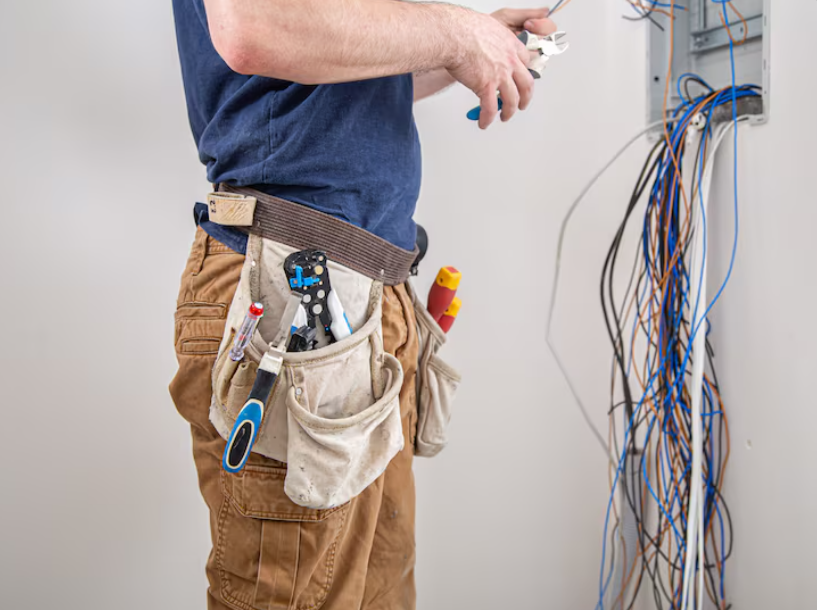
Lighting plays an important role in the appearance, comfort, and functionality of any home. Among the many lighting options available, chandeliers remain a popular choice because they can transform an ordinary room into an elegant and inviting space. Whether installed above a dining table, in an entryway, over a kitchen island, or in a bedroom, a well-chosen chandelier can become a striking focal point. However, attractive lighting should always be supported by safe and reliable electrical work. This is where professional chandelier installation and wiring repair become especially important.
A chandelier is more than a decorative fixture. Depending on its size and design, it can be surprisingly heavy and may require careful mounting to ensure that it remains securely attached to the ceiling. It also needs to be connected correctly to the home's electrical system. Attempting to install a large or complicated fixture without the proper knowledge can result in loose connections, damaged wiring, or an unsafe installation. Professional chandelier installation helps ensure that the fixture is properly supported, connected, and positioned.
Before beginning chandelier installation, several factors should be considered. The first is the location of the fixture. A chandelier should complement the room without interfering with normal movement or creating an obstruction. In dining areas, for example, the fixture is often positioned above the center of the table. In entryways, its height should provide an attractive appearance while leaving enough clearance for people moving through the space.
The size and weight of the chandelier are also important. Lightweight decorative fixtures may have different mounting requirements from large, elaborate chandeliers made from metal, glass, or crystal. The ceiling structure and electrical box must be capable of supporting the fixture safely. If the existing electrical box is not suitable, it may need to be replaced or reinforced before installation.
Another important consideration is the electrical wiring. A chandelier must be connected to the correct circuit, and the wires should be properly secured inside the electrical box. If the existing wiring is old, damaged, loose, or incorrectly installed, it should be addressed before the new fixture is connected. This is one reason wiring repair can be an important part of a lighting upgrade.
Wiring problems can develop for many reasons. Older homes may contain aging electrical components that have deteriorated over time. Wires can also become loose because of previous electrical work, physical damage, excessive heat, or improper installation. Warning signs may include flickering lights, buzzing sounds, unusual odors, warm switches, frequently tripped breakers, or outlets and fixtures that stop working unexpectedly.
When these problems occur, wiring repair should not be delayed. Electrical wiring carries significant power, and attempting to repair it without appropriate knowledge can create serious safety risks. A qualified electrical professional can identify the source of the problem, inspect the affected wiring, and determine what repairs are necessary. Proper wiring repair can help restore dependable electrical performance while reducing potential hazards.
Chandelier installation may also involve installing or replacing a wall switch, dimmer, or other control. Modern chandeliers often work with dimming systems, allowing homeowners to adjust brightness according to the occasion. However, not every dimmer is compatible with every type of lighting fixture. Using incompatible components may cause flickering or poor performance. Professional installation can help ensure that the fixture and controls work together correctly.
The appearance of a chandelier is another reason careful installation matters. A fixture that hangs too low, sits off-center, or appears tilted can negatively affect the entire room. Proper measurements are necessary to determine the appropriate hanging height and position. A professional can take the room's dimensions, furniture placement, ceiling height, and fixture design into consideration before completing the installation.
Safety should always remain the primary goal. Electricity should never be treated as a simple do-it-yourself project when the work involves uncertain wiring, damaged electrical components, or significant changes to a home's electrical system. Turning off a switch does not necessarily eliminate every electrical hazard. The appropriate circuit should be identified and safely de-energized before electrical work begins.
For homeowners planning a renovation, combining chandelier installation with wiring repair can be an efficient approach. Instead of installing a new fixture over an electrical system that may have hidden problems, the wiring can be inspected first. Any necessary repairs can then be completed before the chandelier is installed. This can help prevent future problems and provide greater confidence in the finished lighting system.
Wiring repair can also be useful when replacing an existing light fixture. Removing an old fixture may reveal loose connections, damaged insulation, outdated components, or wiring that does not meet the requirements of the new installation. Rather than covering these problems with a new fixture, they should be properly evaluated and corrected.
Energy efficiency is another consideration when upgrading lighting. Many modern chandeliers are designed to work with efficient LED bulbs or integrated LED technology. LED lighting can provide excellent illumination while generally consuming less electricity than traditional incandescent bulbs. Choosing the right bulbs can also influence the atmosphere of the room, from warm and comfortable lighting to brighter illumination for functional areas.
Regular inspection is helpful after installation. Homeowners should pay attention to unusual flickering, sounds, heat, or changes in performance. If a chandelier begins to behave differently after installation, it is better to have the electrical system inspected rather than repeatedly replacing bulbs or attempting to adjust wiring without professional guidance.
A successful chandelier installation combines aesthetics, electrical safety, structural support, and functionality. The fixture should look appropriate for the room, hang securely, operate correctly, and connect safely to the home's electrical system. When existing electrical problems are discovered, wiring repair should be completed before the installation is considered finished.
Ultimately, beautiful lighting should never come at the expense of safety. A chandelier can add elegance, character, and value to a living space, but its installation requires more than simply attaching a fixture to the ceiling. Proper planning, secure mounting, compatible electrical components, and reliable connections all contribute to a successful result. Likewise, professional wiring repair can address underlying electrical issues before they become larger problems.
Whether you are remodeling a dining room, updating an entryway, or simply replacing an outdated light fixture, careful electrical preparation makes a significant difference. By treating chandelier installation and wiring repair as important parts of the same project, homeowners can enjoy attractive lighting while maintaining a safer and more dependable electrical environment. With thoughtful planning and professional assistance when needed, a new chandelier can become a lasting feature that combines style, comfort, and functionality.
Sponsorluk
Reklam
Reklam
Reklam
Kategoriler
Read More
Coinbase's AI Hallucinated a World Cup Match Result Before the Game Even Started Coinbase is the largest US-based cryptocurrency market. It has also dipped a toe into the world of prediction markets. Samuel Boivin/NurPhoto/Getty ImagesSome World Cup bettors were in for a rude surprise on Sunday, when an AI-generated notification from the crypto exchange Coinbase shared false breaking news...

Viktor Orbán, Hungary's long-serving prime minister, ousted after 16 years in power Viktor Orbán, Hungary's long-serving prime minister, ousted after 16 years in power Audio will be available later today. Hungarian voters turned out in record numbers, ousting Viktor Orbán, the country's longest-serving prime minister. Orbán, a...

When the scorching sun of summer beats down, your air conditioner becomes your closest ally, providing solace during the heatwave. However, like any cherished companion, it demands attention and care. AC maintenance may initially seem like a formidable task but fear not. Today, we'll unveil expert tips for efficient AC repairs and practical DIY maintenance techniques that not only save you time...

A suite of government hacking tools targeting iPhones is now being used by cybercriminals Security researchers have identified a suite of powerful hacking tools capable of compromising iPhones running older software that they say has passed from a government customer into the hands of cybercriminals. Google said Tuesday that it first identified the exploit kit, dubbed Coruna, in February 2025...

Building Management System Modern buildings are becoming increasingly sophisticated, requiring advanced technologies to ensure comfort, security, and operational efficiency. Whether it is a commercial office, shopping mall, hospital, hotel, educational institution, or industrial facility, managing multiple building functions manually can be both time-consuming and expensive. A Building...