What Does a Swimming Pool Maintenance Contractor in Singapore Actually Do?
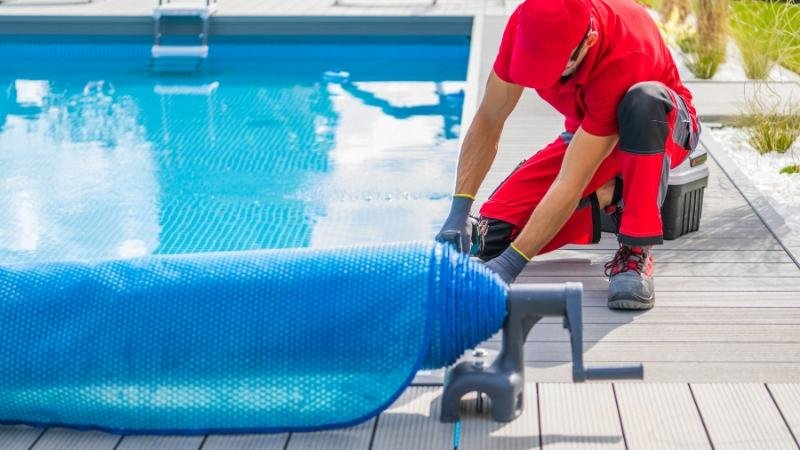
A Swimming Pool Maintenance Contractor in Singapore does far more than simply clean pool water. Professional contractors inspect equipment, maintain water quality, identify faults, and help prevent costly breakdowns. For property owners, regular professional maintenance keeps the pool clean, safe, efficient, and ready to use.
Understanding the Role of a Swimming Pool Maintenance Contractor
Many pool owners assume maintenance means removing leaves, brushing surfaces, and adding chemicals. While these tasks are important, professional pool maintenance is much more comprehensive.
A qualified contractor takes a systematic approach to keeping the entire swimming pool operating properly. This includes the pool structure, circulation system, filtration equipment, water chemistry, pumps, valves, and other supporting components.
In Singapore, swimming pools are exposed to a warm and humid climate throughout much of the year. Frequent use, rain, humidity, debris, and changing water conditions can place additional demands on pool equipment.
That is why professional maintenance focuses on both routine care and early problem detection.
For companies such as Infinity Pool Services Pte Ltd, the goal is not simply to make a pool look clean. It is to help ensure that every major part of the pool system continues to function reliably.
What Services Does a Pool Maintenance Contractor Provide?
The exact scope of work can vary depending on the pool type, equipment, usage, and maintenance agreement. However, professional pool maintenance commonly involves several important services.
1. Swimming Pool Water Testing
Water quality is one of the most important parts of swimming pool maintenance.
A contractor checks key water parameters to determine whether the pool water remains suitable for swimming. Depending on the pool system, this can include monitoring:
-
pH levels
-
Sanitiser levels
-
Alkalinity
-
Water clarity
-
Chemical balance
-
Other relevant water-quality indicators
Incorrect water chemistry can create several problems. Water that is poorly balanced may become uncomfortable for swimmers and can also contribute to scaling, corrosion, or equipment problems.
Professional testing helps identify these issues before they become more serious.
2. Chemical Treatment and Water Balancing
Testing the water is only the first step. A maintenance contractor may also adjust the water chemistry when necessary.
The objective is to maintain appropriate chemical balance while avoiding excessive or insufficient treatment.
A professional understands that chemical requirements can change because of factors such as:
-
Heavy pool usage
-
Rainfall
-
Evaporation
-
Environmental debris
-
Water replacement
-
Temperature
-
Changes in circulation
Rather than relying on guesswork, professional maintenance uses regular inspection and testing to guide treatment decisions.
3. Pool Cleaning and Surface Maintenance
A clean pool requires more than a functioning filtration system.
Maintenance contractors may remove leaves, dirt, insects, and other debris from the water and surrounding areas. Depending on the service scope, they may also brush or clean pool surfaces.
Regular cleaning can help prevent debris from accumulating and contributing to water-quality problems.
Common Cleaning Tasks
Typical pool cleaning activities can include:
-
Skimming floating debris
-
Cleaning pool surfaces
-
Removing accumulated dirt
-
Cleaning surrounding pool areas
-
Emptying appropriate debris collection points
-
Checking visible signs of algae or contamination
Consistent cleaning also makes it easier to notice unusual conditions, such as stains, cracks, leaks, or changes in water appearance.
4. Pool Filter Inspection and Maintenance
The filtration system plays a central role in water circulation and cleanliness.
A filter captures suspended particles and helps keep the water clearer. However, filters can become dirty or restricted over time.
A maintenance contractor checks the filtration system and performs appropriate cleaning or servicing based on the filter type.
Why Filter Maintenance Matters
A neglected filter may contribute to:
-
Reduced water circulation
-
Increased pressure
-
Poor filtration
-
Cloudy water
-
Greater strain on circulation equipment
Professional inspection helps ensure that the filtration system continues to perform efficiently.
5. Swimming Pool Pump Inspection
The pool pump is another critical component.
Its job is to circulate water through the filtration and treatment system. If the pump is not operating correctly, the overall pool system can be affected.
A Swimming Pool Maintenance Contractor in Singapore may inspect the pump for unusual sounds, leaks, poor circulation, electrical concerns, or other signs of malfunction.
Early identification can be particularly valuable because a relatively small issue may become a larger equipment problem if it is ignored.
Common Pump Problems Contractors Look For
These may include:
-
Unusual operating noise
-
Reduced water flow
-
Visible leaks
-
Difficulty starting
-
Overheating
-
Pressure-related problems
-
Damaged seals or components
-
Electrical faults
If a repair is possible, the contractor can recommend an appropriate solution. If the equipment has reached the end of its useful life, replacement may be considered.
6. Inspection of Valves, Pipes and Circulation Components
Pool circulation depends on multiple interconnected components.
Valves control water flow through different sections of the system, while pipes transport water between the pool, pump, filter, and other equipment.
A professional contractor can inspect these components for visible leaks, abnormal operation, blockages, or other issues.
This is important because poor circulation can affect both water quality and equipment performance.
A small leak or malfunctioning valve may not immediately seem serious, but it can interfere with the overall operation of the pool.
7. Pool Equipment Troubleshooting
One of the biggest advantages of professional maintenance is early troubleshooting.
Instead of waiting for a major failure, contractors look for warning signs during routine visits.
For example, a contractor may notice that:
-
A pump sounds different from normal.
-
Water circulation appears weaker.
-
Filter pressure is unusually high.
-
Pool water is becoming cloudy.
-
Equipment is cycling abnormally.
-
A component shows signs of wear.
-
Water levels are changing unexpectedly.
These observations can help identify potential problems before they cause significant disruption.
8. Preventive Maintenance
Preventive maintenance is one of the most valuable parts of professional pool care.
The principle is simple: identify and address problems before they become emergencies.
Instead of waiting for equipment to stop working, contractors inspect components regularly and monitor their condition.
Preventive maintenance can involve:
-
Routine equipment inspections
-
Filter servicing
-
Pump checks
-
Water-quality monitoring
-
Cleaning
-
Component inspection
-
Detection of leaks
-
Checking circulation performance
This proactive approach can improve equipment reliability and help extend the service life of pool components.
Why Is Professional Pool Maintenance Important in Singapore?
Singapore's climate creates conditions where swimming pools require consistent attention.
Warm temperatures can encourage biological growth, while rainfall can introduce additional contaminants and alter water chemistry. Frequent pool use can also increase the demand placed on filtration and sanitation systems.
For these reasons, occasional cleaning may not be enough.
A professional maintenance programme provides consistent monitoring rather than relying on occasional inspections.
This is particularly important for:
-
Private residential pools
-
Condominium pools
-
Hotel pools
-
Commercial facilities
-
Community swimming pools
-
Other regularly used aquatic facilities
How Contractors Help Prevent Equipment Breakdowns
Pool equipment does not always fail without warning.
In many cases, there are signs that something is deteriorating. Professional technicians are trained to recognise these warning signs during routine maintenance.
For example, increased pump noise may indicate a developing mechanical issue. Reduced circulation may point toward a blockage, filter problem, pump issue, or valve problem.
By identifying such symptoms early, contractors can recommend inspection or corrective action before the equipment experiences a major failure.
This is one reason routine maintenance should be viewed as preventive equipment care, rather than simply cleaning.
What Happens During a Typical Maintenance Visit?
The exact process depends on the pool and service agreement, but a professional visit may follow a structured sequence.
Step 1: Visual Inspection
The technician examines the pool water, surfaces, surrounding area, and visible equipment.
Step 2: Water Testing
Important water-quality parameters are checked to determine whether adjustments are required.
Step 3: Cleaning
Debris and dirt are removed, while relevant pool surfaces and collection points are cleaned.
Step 4: Equipment Inspection
The contractor checks pumps, filters, valves, circulation components, and other relevant equipment.
Step 5: Corrective Maintenance
Where appropriate, routine servicing, cleaning, adjustments, or minor corrective work may be carried out.
Step 6: Problem Identification
If the technician discovers an issue that requires additional attention, the homeowner or property manager can be informed and advised about the appropriate next step.
This structured process helps ensure that maintenance is consistent and thorough.
How to Choose the Right Pool Maintenance Contractor
Choosing a contractor should involve more than simply looking for the lowest-cost option.
Pool maintenance involves water chemistry, mechanical equipment, circulation systems, electrical components, and ongoing inspection. Experience and technical knowledge therefore matter.
Consider the following factors when evaluating a contractor.
Look for Relevant Experience
Choose a company with experience maintaining swimming pools similar to yours.
Different pools can have different equipment configurations, filtration systems, automation systems, and maintenance requirements.
Ask About the Scope of Service
Understand exactly what the maintenance programme includes.
Ask whether the service covers:
-
Water testing
-
Chemical balancing
-
Cleaning
-
Filter maintenance
-
Pump inspection
-
Equipment checks
-
Troubleshooting
-
Preventive maintenance
A clear service scope makes expectations easier to manage.
Check Technical Capability
A contractor should be able to identify equipment issues rather than simply perform surface cleaning.
Technical capability is especially important when your pool has specialised pumps, filtration equipment, automation, heating, or sanitation systems.
Prioritise Communication
Good maintenance also depends on communication.
A professional contractor should be able to explain what they have found, why it matters, and what action may be appropriate.
This helps property owners make informed decisions about repairs, servicing, and equipment replacement.
Why Preventive Pool Maintenance Is Better Than Reactive Maintenance
Reactive maintenance means waiting until something breaks before taking action.
For example, a homeowner might wait until the pump stops circulating water before contacting a technician.
Preventive maintenance takes a different approach. Equipment is inspected regularly, and potential problems are addressed earlier.
The benefits can include:
-
Better equipment reliability
-
More consistent water quality
-
Reduced risk of unexpected breakdowns
-
Improved system performance
-
Longer equipment service life
-
Better swimming conditions
Preventive maintenance does not eliminate every possible problem, but it can significantly improve the ability to detect and address issues early.
How Infinity Pool Services Pte Ltd Can Support Pool Owners
Infinity Pool Services Pte Ltd provides professional swimming pool services designed to help pool owners maintain reliable and properly functioning pool systems.
A professional maintenance approach considers both the appearance of the pool and the condition of the equipment behind it.
From routine cleaning and water management to equipment inspection and troubleshooting, a comprehensive maintenance programme can help keep the entire system operating properly.
For property owners who want to avoid relying solely on reactive repairs, working with an experienced Swimming Pool Maintenance Contractor in Singapore can provide a more structured approach to ongoing pool care.
Conclusion
A swimming pool maintenance contractor does much more than clean the water. Professional maintenance combines cleaning, water testing, equipment inspection, preventive care, and troubleshooting to keep the entire pool system working properly.
By choosing a reliable contractor such as Infinity Pool Services Pte Ltd, pool owners can take a proactive approach to maintaining water quality, equipment performance, and overall pool condition.
A well-maintained swimming pool is not only more pleasant to use. It is also easier to manage, monitor, and maintain over the long term.
Sponsored
Ads
Ads
Ads
Categories
Read More
Valve's Steam Machine: Pricing Set (Oof!), Preorder Lottery Open Now, Shipping SoonValve will release its living room PC game console, called the Steam Machine, but it won't be cheap thanks to the ongoing memory shortage referred to as RAMageddon, which already shot up the price of the Steam Deck. The company finally unveiled the pricing for the Steam Machine, and it's not for the faint of...
Coffee and drink stores need to focus on every detail to run their business successfully, including custom milkshake cups. Consumers can immediately identify the quality of a container once they pick it up. A durable paper cup makes every cold drink feel more enjoyable and special. Local shops and ice cream parlours depend on high-quality containers that keep drinks colder longer...

Luma launches AI-powered production studio with faith-focused Wonder Project AI video generation startup Luma has launched Innovative Dreams, a production company built in partnership with Wonder Project, a streaming service that produces religious films and TV on Amazon Prime. The tie-up’s first show will be called “The Old Stories: Moses,” starring British actor Ben Kingsley and set to...

The Dry Steppes region in Diablo 4 contains many hidden stories and side quests that reward players with useful progression materials. One of these adventures is connected to Ogai and his search for a mysterious “Eternal Gift” from The Grinning One. Players who want to complete their journey efficiently can benefit from understanding the quest steps, enemy locations, and available...

M5 Pro, M5 Max: What I Expect from Apple's Next-Gen Chips Maybe more than just cores. Lori Grunin Senior Editor / Advice I've been reviewing hardware and software, devising testing methodology and handed out buying advice for what seems like forever; I'm currently absorbed by computers and gaming hardware, but previously spent many years concentrating on cameras. I've also...