Six Myths About Gym Compression Wear That Are Costing Indian Men Real Training Progress
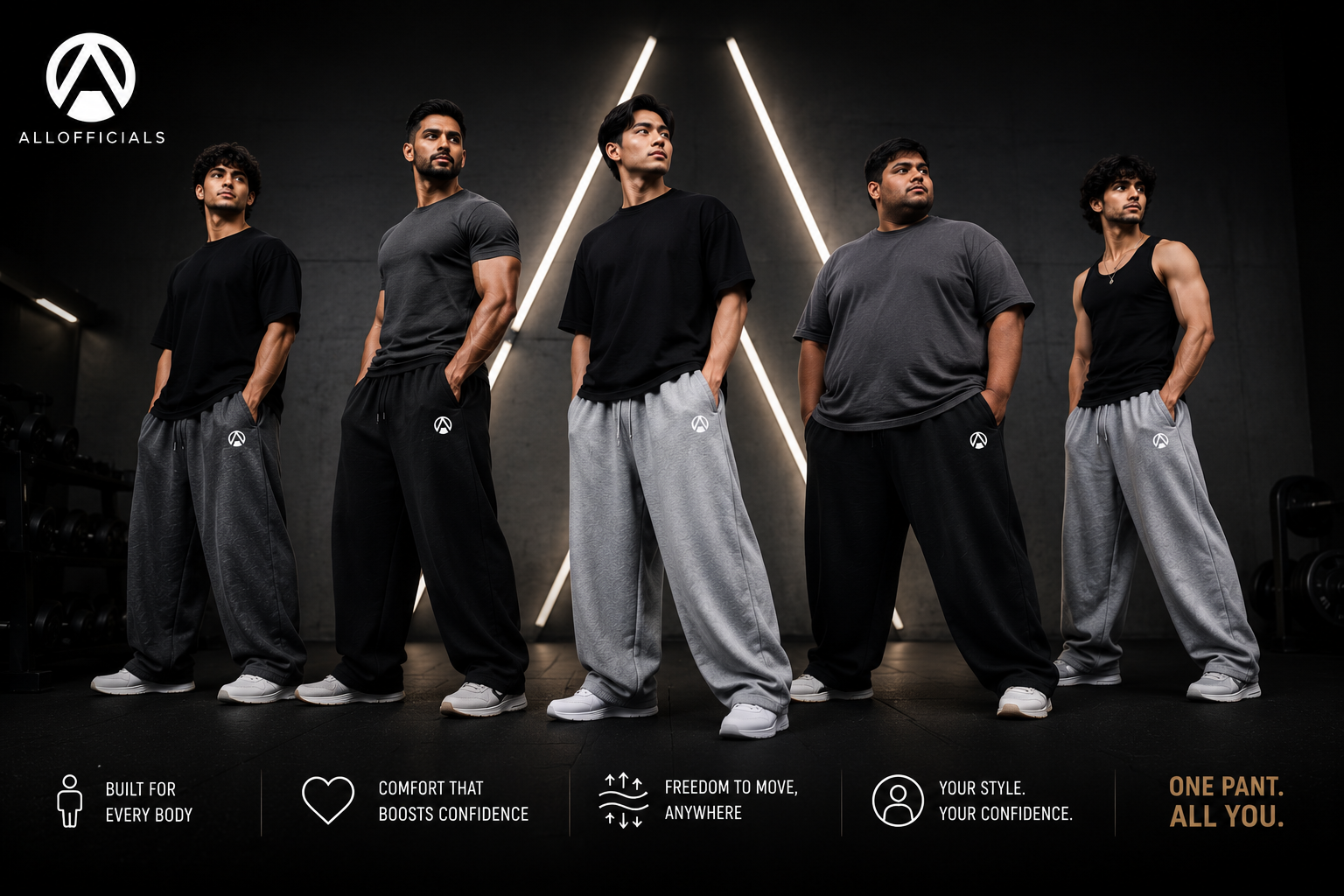
Common Compression Wear Assumptions That Don't Hold Up
Compression wear has moved well beyond professional sports. Walk into a commercial gym in Mumbai, Bengaluru or Jaipur and you will see men using compression shorts under training shorts, fitted base layers during strength sessions and full-length tights for leg training. Yet plenty of confusion remains around what these garments actually do.
Some people expect compression to make them immediately stronger. Others assume tighter fabric automatically provides more support. Then there is the opposite problem: gym-goers who avoid compression entirely because they think it is only useful for marathon runners or competitive athletes. Most of these assumptions come from marketing language that blurs the difference between comfort, perception and measurable physical performance.
A useful distinction is simple. Compression garments apply graduated or consistent pressure to parts of the body, depending on their construction. That pressure can influence how the wearer perceives movement and fatigue, while the fabric can also manage sweat and reduce skin-on-skin friction. None of that means a pair of compression tights suddenly adds kilograms to your squat.
Myth 1 and 2: Compression Makes You Stronger, and Tighter Always Means Better
Compression wear does not reliably increase raw strength. Research on performance outcomes is mixed, with some studies reporting improvements in perceived exertion, endurance-related comfort or recovery while direct gains in maximal strength remain much less consistent. A lifter in Delhi may feel more supported during a high-repetition leg session, but the garment itself is not creating additional muscular force.
Fit creates another common misunderstanding. A compression layer should feel snug across the body, but excessive pressure can become counterproductive. If the waistband digs into your abdomen, the leg opening leaves deep marks or the fabric causes numbness and tingling, the problem is sizing rather than insufficient compression.
Good performance compression should stay close to the body without making you constantly aware of it. During a set of walking lunges, you should notice the fabric staying in position, not spend the entire set wondering why your thigh feels squeezed.
Myth 3: Compression Wear Is Only for Cold Weather Training
Warm Indian weather does not automatically rule out compression clothing. Lightweight polyester-spandex and nylon-spandex fabrics can move sweat away from the skin and dry considerably faster than ordinary cotton. For indoor training in an air-conditioned gym in Bengaluru or Hyderabad, a thin compression base layer can actually feel comfortable throughout a long session.
Heat changes the equation, though. In a poorly ventilated, non-AC gym during a May afternoon in Nagpur, a loose pair of training shorts may still feel cooler than a close-fitting compression layer. Fabric weight, ventilation and sweat management matter more than the word "compression" printed on the label.
That is why a lightweight compression top can work well for a morning strength session while the same garment may feel unnecessarily warm during outdoor training at 2pm. Context matters.
Myth 4: Gym Compression Is Only for Professional Athletes or Serious Competitors
Compression clothing can be useful for ordinary gym-goers who train three or four times a week. A recreational lifter performing high-repetition squats, lunges or Romanian deadlifts may appreciate the consistent contact of a compression layer because it provides additional body-position feedback. That sensory feedback, often called proprioceptive input, can make movement feel more controlled even though it does not replace proper technique.
The gym compression collection from AllOfficials is worth checking if close-fitting training gear suits your routine.
There is also a practical recovery angle. Some research suggests compression garments can reduce perceived muscle soreness after demanding exercise, although the size of the effect varies between studies and individuals. For someone who finishes a hard leg session on Friday and has another training day planned on Saturday, even a modest improvement in comfort can matter.
Compression also helps reduce fabric movement. That becomes noticeable during exercises where loose material can bunch around the hips or thighs. A secured layer stays close to the body instead.
Myth 5 and 6: Compression Wear Doesn't Need Special Care, and All Compression Is the Same
Elastane is one of the most important components in stretch-based performance clothing, and it does not respond well to careless washing. Fabric softener can coat fibres and interfere with moisture management while repeated high-heat drying can accelerate deterioration of elastic fibres. A compression garment that once snapped back tightly may gradually become looser if it repeatedly goes through harsh wash and drying cycles.
Cold washing, mild detergent and air drying are safer habits for most compression garments. Avoiding fabric softener is particularly useful. It may make ordinary clothes feel softer, but softness is not the priority for performance fabric.
Quality also varies considerably between products that look almost identical online. A ₹500 compression top and a ₹1,200 performance layer can both appear sleek in product photographs while behaving very differently after several months. Fibre composition, fabric weight, stretch recovery, seam construction and waistband design all influence longevity.
Cheap compression can still make sense for occasional use. Someone wearing it once every two weeks does not necessarily need premium fabric engineering. A person training five days a week, however, puts much greater stress on stretch recovery and seams. Price should follow usage rather than simply following brand reputation.
Final Thoughts
Good compression clothing does not need exaggerated claims to justify its place in a training wardrobe. Its practical strengths are more modest: close body contact, sweat management, reduced fabric movement, useful sensory feedback and potentially better comfort after demanding sessions.
For an Indian gym-goer deciding whether gym compression belongs in the weekly rotation, the better question is not whether it will make you stronger overnight. Ask whether the fit, fabric and level of support suit your training environment. A well-sized garment can quietly improve the experience; an excessively tight or poorly constructed one can do exactly the opposite.
Frequently Asked Questions
Q: Does compression wear actually improve athletic performance?
A: Evidence suggests it can reduce perceived exertion and post-training soreness for some people, while improving the sense of body position during movement. Direct increases in strength output are less consistently established. Its main value is comfort, support and recovery rather than an immediate boost in lifting capacity.
Q: Is compression wear too warm for training in India?
A: Not necessarily. Lightweight polyester-spandex or nylon-spandex fabric can manage sweat effectively in many indoor gyms. However, a very hot, poorly ventilated gym can make loose-fitting training clothing more comfortable, especially during long sessions.
Q: How tight should compression wear actually be?
A: It should feel snug and supportive without causing numbness, tingling, pain or deep pressure marks. You should be able to move through a full squat and raise your arms without feeling restricted. If the garment feels uncomfortable within the first few minutes, a larger size is usually worth trying.
Q: Does compression clothing help with muscle soreness?
A: Some research indicates that compression garments may modestly reduce perceived soreness after demanding exercise. Results vary, so it is better to view compression as one comfort and recovery tool rather than a guaranteed solution for post-workout soreness.
Q: How should compression clothing be washed?
A: Use cold or cool water, mild detergent and air drying where possible. Avoid fabric softener and frequent high-heat drying because both can shorten the useful life of elastic fibres and affect the garment's stretch recovery.
Sponsored
Ads
Ads
Ads
Categories
Read More
Founder of Shark Tank-backed startup Scholly sues his acquirer Sallie Mae When Chris Gray sold his Shark Tank-backed scholarship search startup Scholly to Sallie Mae in 2023, he thought he had it all. Now he’s suing the student loan giant for wrongful termination and alleging that it’s selling the data his app collected, which includes personal info on minors, without properly informing...

Extinction Watch: Sub-$500 Computers in Danger, According to ReportA spike in the price of memory could lead PC makers to stop selling laptops and desktop computers that cost less than $500, according to a report from the research firm Gartner.The same forces that could fuel an increase in smartphone prices will affect the PC market by 2028, according to the report, with a combined...

Over 70 of the Best Star Wars Gifts for 2026: Legos to Lightsabers, Books and Toys this May the Fourth If you're shopping for a Star Wars fan, this guide will show you the way. From prequel to sequel and beyond, we've used the Force to find dozens of creative gifts they'll treasure. Russell Holly is a Managing Editor on the Commerce team at CNET. He works with all of CNET to...

Today's NYT Connections Hints, Answers and Help for Feb. 12, #977 Here are some hints and the answers for The New York Times Connections puzzle for Feb. 12 #977. CNET editor Gael Fashingbauer Cooper, a journalist and pop-culture junkie, is co-author of "Whatever Happened to Pudding Pops? The Lost Toys, Tastes and Trends of the '70s and '80s," as well as "The Totally Sweet '90s."...

The real estate market has always depended on paperwork, legal procedures, financial reviews, and multiple intermediaries before an investment reaches completion. While digital tools have reduced manual work over the years, property transactions still involve several time-consuming activities. Intelligent automation is changing this environment by introducing software that performs repetitive...