Clinical research into stem cell therapy: The process and why it's needed
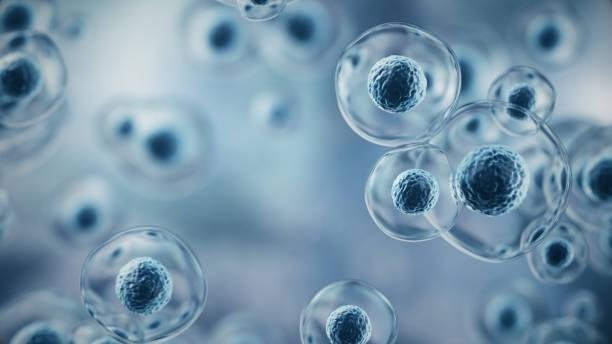
Stem cells are unspecialised cells that can turn into any type of cell, so you can imagine how useful and unending their applications are. They can be used to generate new muscle, skin or blood. A huge positive property of stem cells is that they can divide whilst staying unspecialised and so provide a theoretically infinite number of cells to be used.
Stem cells are found in early-stage embryos as well as in the tissues and fats of child and adult bodies such as in bone marrow. They’re also present in the umbilical cord and in the placenta after-birth. Naturally then, there is great debate around the ethics of sourcing these cells versus the numerous and wide-ranging medical benefits they can provide.
What is stem cell therapy?
Stem cell therapy refers to the entire start-to-end process of harvesting stem cells, processing them ready for insertion, patient preparation, patient administration, regeneration within the body and post-administration recovery.
It can be used to treat blood cancers, joint pain and tissue damage such as severe skin burns, corneal (eye) damage and bone-grafting for intricate and complicated fractures. Early stages of stem cell therapy require ultrapure water in order to prepare cells, as any chemicals or impurities will damage the stem cells and render them useless. More early stage applications include regenerating dead heart tissue after a heart attack or using stem cells to bio-print or construct entirely new tissue. There may also be future applications in fighting Parkinson's disease and diabetes. In the UK, research relating to stem cell research is limited to embryos only up to two weeks developed. Further to this, the research must have a designated goal or purpose in order to be able to take place.
Why is clinic research into stem cell therapy needed?
Stem cell therapy is incredibly complex and is not fully explored as of yet. There are still potential complications around the body accepting the cells, growths or tumours in the patient resulting from the use of stem cells and undesirable immune responses to the administration or preparation stages of the therapy. The UK government has bodies guidance and for patients and clinics around stem cell research.
For stem cell therapy to work, stem cells must form in the desired location into the body and into the correct cell type. If this does not happen then future defects can occur or the treatment could be rendered ineffective. Future research into stem cell therapy could discover new treatments, ways of increasing efficacy or reducing the risk of stem cell rejection or medical complications with the procedure. Research is needed to concretely prove that current treatments are safe and to continuously minimise the risk of current treatments resulting in negative medical complications to patients and any potential future offspring.
Treating Parkinson’s disease with stem cell therapy requires further research to fully discover and qualify for regulatory approval and use on potential patients. For example, two recent studies in Japan and the USA have both shown positive responses to stem cells injected into the brain to be cells that produce the chemical signal (or neurotransmitter) dopamine. After following the patients after the trial, no severe negative side effects were reported from patients who received low or high doses of stem cells and some patients even reported fewer physical movement symptoms such as shaking, tremors or stiffness.
Other research around application for stem cells around treating diabetes has resulted in the discovery of so called ‘smart insulin’ - which only activates when a body’s blood sugar levels are too high. Diabetics have to manage their blood sugar manually, through eating a careful diet and/or taking glucose shots or having a pump. New ‘smart insulin’ would mean a massive reduction in the manual elements, and indeed the mental space occupied, of managing diabetes.
The moral debate around stem cell therapy:
Debate around the ethics of stem cell therapy largely centres around the fact that cells are sourced from human embryos. Embryonic stem cells are ‘pluripotent’ meaning they can transform into any cell type.
Those against stem cell therapy argue that the embryo the cells are taken from, even at such an early stage, is a human life with its moral rights and therefore should not be destroyed by the conventional method of taking stem cells. They argue that doing so is no different to killing a fully grown adult human since, by extracting stem cells, a life is taken.
The other side of the debate is that humans as a species have a right to advance medical care, even if this is through this method. The cells have such wide-ranging applications and can help massively improve human life and recovery from medical incidents such as heart attacks and cancers. Ethical issues are also raised around the creation and possible commodification of a part of a human as a tool, rather than utilising surplus embryos - even if that is for medical research and advancements. Since stem cells can be used to generate skin cells, people seek out regenerative and anti-aging procedures in order to improve their appearance.
Summary
Stem cell therapy has the potential to transform modern medicine by using unspecialised cells to repair, replace or regenerate damaged tissues. However, because the treatment is complex and can involve risks like immune rejection, incorrect cell development and unwanted growths, extensive clinical research is needed.
Research is exploring potential treatments for conditions including Parkinson’s disease and diabetes, with recent studies showing encouraging early results. Despite huge medical potential, stem cell therapy also raises important ethical questions, particularly surrounding the use and commodification of embryonic stem cells. As research continues, scientists, regulators and society must balance the potential medical benefits of stem cell therapy with patient safety and the ethical considerations surrounding how stem cells are sourced and used.
Sponsored
Ads
Ads
Ads
Categories
Read More
Employees at Google and OpenAI support Anthropic’s Pentagon stand in open letter Anthropic has reached a stalemate with the United States Department of War over the military’s request for unrestricted access to the AI company’s technology. But as the Pentagon’s Friday afternoon deadline for Anthropic’s compliance approaches, over 300 Google employees and over 60 OpenAI employees have signed an...

China sets a lower economic growth target of 4.5% to 5% for 2026 as challenges loom Chinese President Xi Jinping, left and Chinese Premier Li Qiang chat during the opening session of the National People's Congress (NPC) in Beijing, Thursday, March 5, 2026....

Brazil's ex-President Bolsonaro is in intensive care with pneumonia, hospital says FILE - Brazil's former President Jair Bolsonaro, temporarily allowed out of house arrest for medical treatment, departs a hospital in Brasilia, Brazil, Sept. 14, 2025....

Julian Ingram: Police find body believed to be of Australian fugitiveNSW Police ForceJulian Ingram allegedly shot dead three people in Lake Cargelligo in JanuaryA body found in New South Wales is thought to be that of a man wanted over the murder of three people in a small Australian town in January.Julian Ingram was on bail for domestic violence offences at the time of the killings of his...

In demanding outdoor environments, a Wheeled All-Terrain Vehicle can provide stable mobility across difficult surfaces, while a Wheeled All-Terrain Vehicle from Chinahaishida helps operators maintain efficient transportation through mud, gravel, snow, forests, and uneven terrain. Modern industries often require transport systems capable of operating in locations where traditional road vehicles...