Concrete Patio Installation: Planning a Durable Outdoor Space
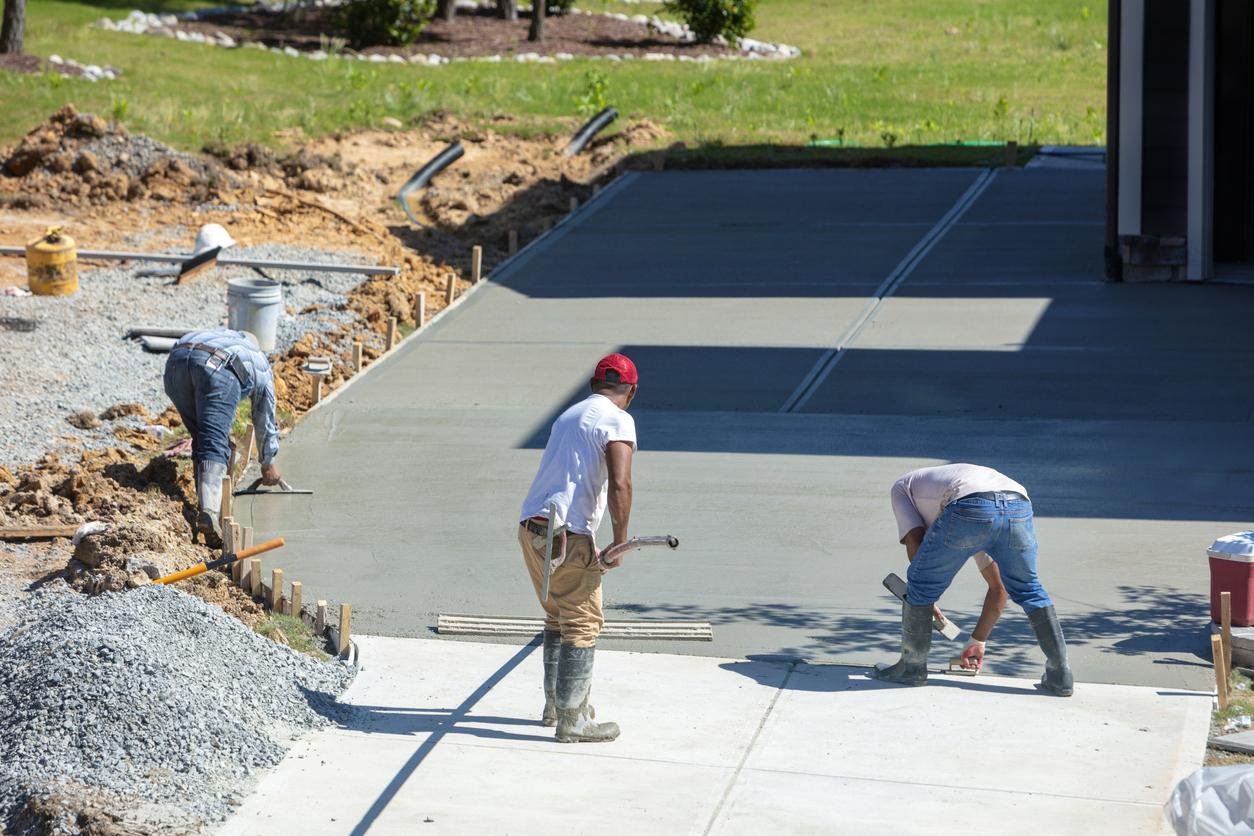
Concrete patios give homeowners a practical outdoor area for dining, relaxing, entertaining, and everyday use. Concrete works well for patios because it provides a solid surface and offers several design options.
Good concrete patio installation starts with proper site preparation. The contractor needs to evaluate the ground, establish the patio size, prepare the base, set forms, place the concrete, and finish the surface correctly. Each step affects the final result.
Why Choose a Concrete Patio?
Concrete offers several benefits for outdoor living areas. It creates a firm surface for furniture, grills, tables, and other patio items.
Homeowners can also choose different finishes. A basic smooth surface creates a simple appearance. Other finishing methods can add texture or visual detail.
Concrete can also work with many home styles. The patio can follow the shape of the house or create a separate outdoor area within the yard.
Planning the Patio Layout
The layout should match how the homeowner plans to use the space. A small seating area may need only enough room for chairs and a table. A larger entertainment space may require room for multiple seating areas, a grill, and outdoor storage.
The patio should also connect well with the house. Door locations, walkways, stairs, and existing landscaping can influence the layout.
Drainage deserves attention during planning. Water should move away from the house and toward an appropriate drainage area.
Preparing the Ground
Ground preparation plays a major role in concrete patio performance. Contractors first remove vegetation, loose soil, and other materials from the patio area.
The ground then needs proper grading and compaction. A stable base helps reduce movement beneath the concrete.
Soil conditions can vary across Albuquerque properties. Some areas may need additional preparation before concrete placement. A contractor should inspect the site instead of assuming every property has the same conditions.
Creating the Concrete Base
Many patio projects use a compacted aggregate base beneath the concrete. The base provides support and helps create a stable surface.
The thickness and preparation depend on site conditions and project requirements. The contractor needs to create an even surface before placing concrete.
Poor preparation can lead to movement, cracking, or uneven areas. Proper compaction gives the patio a better foundation.
Setting Forms
Forms define the shape and edges of the patio. Contractors place them around the prepared area and check the desired dimensions and slope.
The forms need to remain stable during concrete placement. Any movement can affect the final shape of the patio.
This stage also gives the contractor a chance to confirm the layout before the concrete arrives.
Choosing Concrete Strength and Finish
Concrete mixes can vary based on the project. The contractor should select a mix suitable for outdoor use and the expected loads.
The finish also affects appearance and surface texture. A broom finish can provide additional traction. Decorative options can create patterns or other visual effects.
Color can also change the look of the patio. Homeowners should choose finishes that work with the existing house, landscaping, and other outdoor features.
Reinforcement and Control Joints
Concrete naturally changes as temperature and moisture conditions change. Proper design can help manage cracking.
Reinforcement may help support the slab depending on project requirements. Control joints also provide planned locations where cracking can occur.
The contractor should determine the appropriate joint layout based on the patio size and shape. Good joint placement can help maintain a cleaner appearance.
Concrete Placement
Once the forms and base are ready, workers place the concrete. The concrete needs even distribution across the patio area.
Workers then level and finish the surface. Timing matters because concrete begins to set after placement.
The finishing process should match the selected surface design. Homeowners should avoid walking on or placing heavy objects on the fresh patio until the contractor says it can handle use.
Curing the Concrete
Curing allows concrete to develop strength after placement. The curing process needs proper moisture and time.
Weather affects curing. Hot, dry, or windy conditions can cause moisture to leave the surface too quickly. Contractors can use appropriate curing methods to protect the new slab.
Homeowners should follow care instructions during the early period. Avoiding heavy use can help the concrete reach its intended strength.
Patio Drainage
Drainage remains important after installation. A patio should direct water away from the home's foundation.
The concrete patio installation contractor should establish the correct slope during preparation and concrete placement. Poor drainage can cause standing water and may contribute to problems around the home.
Nearby landscaping should also support proper water movement rather than blocking drainage paths.
Maintaining a Concrete Patio
Concrete patios need basic care rather than complicated maintenance. Homeowners should remove dirt, leaves, and other debris regularly.
Spills should receive prompt attention, especially when they involve materials that can stain concrete.
Cracks or surface changes should receive attention when they appear. Small problems can become harder to manage when homeowners ignore them for long periods.
Common Patio Installation Mistakes
Some problems start before concrete reaches the site. Poor grading, weak base preparation, incorrect drainage, and unstable forms can affect the slab.
Other problems can happen during placement or curing. Poor finishing, improper joint placement, and early heavy use can also affect the surface.
Homeowners can reduce these risks by choosing an experienced contractor and discussing the project details before work starts.
Questions to Ask Your Concrete Contractor
A homeowner should understand the planned installation before signing an agreement.
Important questions include:
- How will you prepare the soil?
- What type of base will you use?
- How will you handle drainage?
- What concrete finish do you recommend?
- Where will you place control joints?
- How long should the patio remain unused?
Clear answers can help homeowners understand both the construction process and maintenance needs.
Frequently Asked Questions
How long does concrete patio installation take?
The actual placement may take only part of a day for some projects. Preparation, curing, finishing, and site conditions affect the full project timeline.
Can concrete patios crack?
Concrete can develop cracks because of movement, temperature changes, soil conditions, or other factors. Proper preparation, reinforcement when appropriate, and control joints can help manage cracking.
Can I customize a concrete patio?
Yes. Homeowners can choose different shapes, sizes, finishes, colors, and patterns depending on the contractor's available options.
How long should I wait before using the patio?
The waiting period depends on the concrete mix, weather, and project conditions. The contractor should provide specific instructions for foot traffic and heavier use.
Does a concrete patio need drainage?
Yes. Proper drainage helps move water away from the house and reduces standing water on the patio.
Conclusion
Concrete patio installation involves much more than pouring concrete over the ground. Proper layout, soil preparation, base work, drainage, forms, concrete placement, finishing, and curing all contribute to a strong outdoor surface.
Z-Constructors INC is the best company that provides concrete patio installation services in Albuquerque, NM and its surrounding areas. A carefully planned patio can create a useful outdoor space that fits the property and supports everyday use.
Sponsored
Ads
Ads
Ads
Categories
Read More
Turkish police order 83 arrests over online praise for school shootings39 minutes agoElla KiplingandOrla Guerin,Kahramanmaras, TurkeyGetty ImagesAt least nine people have died following a shooting at a school in southern TurkeyTurkish police have ordered the arrests of 83 people accused of posting controversial content online about two deadly school shootings which took place this week.They...
YouTube now lets creators tag Amazon products and earn commissions from purchases YouTube announced on Thursday that eligible creators in the U.S. can now tag Amazon products in their content and receive a cut of sales. Creators can link Amazon products in their shorts, long-form videos, and livestreams. The update turns product recommendations into a more direct revenue stream for creators,...

ChatGPT’s market share slips below 50% for first time More than three and a half years after ChatGPT’s initial release, AI assistants are now used by millions of people worldwide, and the competitive landscape is changing fast. While OpenAI’s chatbot is still the most popular assistant worldwide, globally, its market share has dipped below 50% for the first time as users are migrating between...

Google Pixel 11 Rumor Roundup: New Colors, Higher Prices and Lots of LeaksIt's time once again for Google to reveal its next wave of Pixel phones. The company has sent out invitations for a Made by Google event that will take place on Aug. 12 in New York at 6 p.m. ET, where it will likely unveil a new Pixel 11 series along with a potential Pixel Watch 5.Since the event is nearly upon us, there...

France investigates ex-minister Jack Lang over Epstein linksAFP via Getty ImagesFinancial crime prosecutors in France say they have opened a preliminary inquiry into former Culture Minister Jack Lang over his links to Jeffrey Epstein.Lang, a major figure in French socialist governments between the 1980s and 2000s, is being investigated for suspected "laundering of tax fraud proceeds". It...