Benefits of Sports on Physical Health: Why Active Children Build Healthier Habits
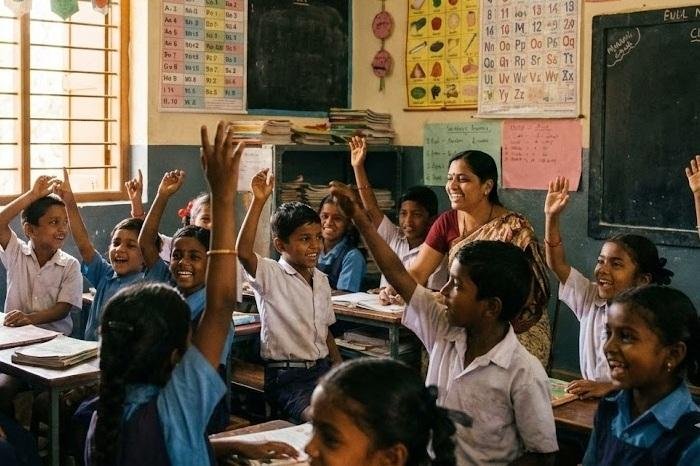
Regular physical activity is an important part of a healthy childhood. Running, swimming, cycling, football, cricket, athletics, and other sports give children opportunities to move their bodies while developing physical skills. Understanding the benefits of sports on physical health can help parents, teachers, and communities recognise why children need regular opportunities for active play and exercise.
Sports are not only about competition. When children participate in age-appropriate physical activities in a safe and supportive environment, they can develop strength, coordination, endurance, and healthy habits that can benefit them as they grow.
What Are the Benefits of Sports on Physical Health?
The benefits of sports on physical health include improved fitness, stronger muscles and bones, better coordination, increased endurance, and support for maintaining a healthy body.
Regular physical activity also gives children an opportunity to develop movement skills and establish active habits from an early age. These habits can become an important part of a healthy lifestyle later in life.
The benefits can vary depending on the child's age, activity, frequency, intensity, and overall health. Children should therefore participate in activities that are appropriate for their developmental stage.
Sports Help Build Stronger Muscles and Bones
Physical activities such as running, jumping, football, and other weight-bearing sports place healthy demands on the muscles and skeletal system.
Regular movement helps children develop physical strength and coordination as their bodies grow. Activities involving different types of movement can also help children develop balance and body control.
For growing children, the goal should not be intensive athletic training but enjoyable, regular, age-appropriate activity.
Sports Improve Cardiovascular Fitness
Many sports involve sustained movement that makes the heart and lungs work harder. Activities such as swimming, running, cycling, football, and athletics can help children develop cardiovascular endurance.
Better cardiovascular fitness allows children to perform physical activities for longer periods without becoming tired as quickly.
Developing endurance through enjoyable activities can also encourage children to remain physically active as they grow older.
Sports Improve Coordination and Motor Skills
Children learn to control their bodies through movement. Sports can provide opportunities to practise running, jumping, throwing, catching, kicking, balancing, and changing direction.
These activities can help develop gross motor skills and body coordination. Different sports require different combinations of movement, allowing children to explore a broad range of physical abilities.
Developing these skills can also make children more comfortable and confident when participating in physical activities.
Sports Can Support Healthy Weight Management
Regular physical activity contributes to energy expenditure and can be part of an overall healthy lifestyle.
Sports should not be presented to children primarily as a way to change their body weight or appearance. Instead, the emphasis should be on movement, enjoyment, fitness, strength, and well-being.
Healthy nutrition, adequate sleep, regular physical activity, and supportive family environments all contribute to children's overall health.
Sports Can Improve Physical Endurance
Endurance is the ability to continue physical activity over time. Many sports naturally encourage children to develop this ability.
A child who regularly participates in an active game may gradually find it easier to run, walk, swim, cycle, or participate in other physical activities for longer periods.
Improving endurance can make everyday physical activities easier and encourage children to remain active.
Sports Support Flexibility and Balance
Activities involving stretching, changes in direction, controlled movements, and balance can help children develop greater body awareness.
Sports such as gymnastics, swimming, athletics, and many team games require children to control their movements and maintain balance.
Developing these physical abilities can contribute to overall movement competence.
Sports Encourage Active Lifestyles
One of the long-term benefits of sports on physical health is the development of positive attitudes toward physical activity.
Children who associate exercise with enjoyment, friendship, exploration, and achievement may be more likely to remain active than children who view physical activity only as an obligation.
This is why making sports enjoyable is often more useful than putting excessive pressure on performance.
Why Access to Sports Matters for Every Child
Not every child has equal access to sporting opportunities. Families may face financial limitations, while some communities may have limited access to safe playgrounds, sports facilities, equipment, or organised activities.
Girls can also face social expectations that discourage participation in sports. Children with disabilities may encounter additional accessibility barriers.
Creating inclusive and safe opportunities for physical activity can help ensure that the benefits of sports are available to children from different backgrounds.
Sports and Children's Overall Development
Physical health is connected with other aspects of childhood development. Active play can provide opportunities for children to socialise, cooperate, develop confidence, and learn how to handle challenges.
Team sports can encourage communication and cooperation, while individual activities can help children develop persistence and personal responsibility.
This means sports can contribute to childhood development in ways that extend beyond physical fitness.
The Role of Schools in Promoting Physical Activity
Schools can play an important role in making physical activity accessible to children.
Regular physical education, sports activities, active games, and safe play spaces can give students opportunities to move throughout the school week.
Schools can also create inclusive environments where participation is valued rather than focusing exclusively on athletic performance. Children should have opportunities to explore different activities and find forms of movement they enjoy.
The Role of CRY in Supporting Children's Well-Being
Child Rights and You (CRY) works toward protecting children's rights and creating conditions for happier childhoods. Its work includes education, health and nutrition, safety and protection, and child participation.
A child's development involves more than academic education. Health, safety, participation, and opportunities for healthy development are also important. Supporting children's access to healthy environments and opportunities for participation can therefore contribute to broader child-welfare goals.
How Parents Can Encourage Healthy Sports Habits
Parents can encourage children to participate in activities they enjoy rather than forcing them into a particular sport.
Simple activities such as walking, cycling, playing outdoors, dancing, swimming, or participating in organised sports can help children stay active.
Parents should also make sure children have adequate rest, hydration, appropriate equipment, and safe environments for physical activity. Younger children should be supervised according to the activity and their developmental needs.
Frequently Asked Questions About the Benefits of Sports on Physical Health
What are the main benefits of sports on physical health?
The main benefits include improved fitness, stronger muscles and bones, better coordination, greater endurance, improved balance, and the development of healthy physical-activity habits.
How do sports improve children's physical fitness?
Sports involve different forms of movement that can develop cardiovascular endurance, strength, coordination, balance, and motor skills. Regular participation can improve overall physical fitness.
Can sports help children maintain a healthy lifestyle?
Yes. Regular physical activity is an important part of a healthy lifestyle. When children enjoy sports and active play, they can develop habits that encourage continued physical activity as they grow.
Which sports are good for children's physical health?
Many activities can benefit children, including running, swimming, cycling, football, cricket, athletics, basketball, gymnastics, and active games. The most suitable activity depends on the child's age, interests, abilities, and safety needs.
How much sports should children do?
The appropriate amount of physical activity depends on age and individual circumstances. Children should have regular opportunities for age-appropriate physical activity and active play. Parents can follow guidance from qualified health and physical-activity professionals when they need advice specific to a child.
Why should girls have equal access to sports?
Girls can gain important physical, social, and developmental benefits from sports. Equal access gives girls the opportunity to build physical skills, confidence, teamwork abilities, and healthy habits without being restricted by gender stereotypes.
Conclusion
The benefits of sports on physical health include stronger muscles and bones, improved cardiovascular fitness, better coordination, greater endurance, and the development of active lifestyle habits.
For children, sports should be about more than winning competitions. Safe and enjoyable physical activity can help children develop their bodies while also giving them opportunities to socialise, build confidence, and learn new skills.
Ensuring that every child has access to safe, inclusive opportunities for play and physical activity is an important part of supporting healthy childhood development. Organisations such as CRY – Child Rights and You contribute to broader child-rights efforts that focus on children's education, health and nutrition, safety and protection, and participation.
Sponsorluk
Reklam
Reklam
Reklam
Kategoriler
Read More
Discord launches Nitro Rewards, giving subscribers access to the base tier of Xbox Game Pass for no extra cost Discord on Monday unveiled Nitro Rewards, which gives Nitro subscribers access to offers from other gaming and lifestyle brands for no additional cost. Currently, Nitro offers upgrades to Discord itself, like more profile customization options, HD streaming, and the ability to...

Iran war: How Pakistan became an unlikely mediatorHow Pakistan won over Trump to become an unlikely mediator in the Iran war13 hours agoCaroline DaviesPakistan Correspondent Getty ImagesPakistan has been making a diplomatic push to position itself as a negotiator in the warPakistan's role as intermediary in this conflict took many by surprise.But perhaps it shouldn't.The head of its armed...

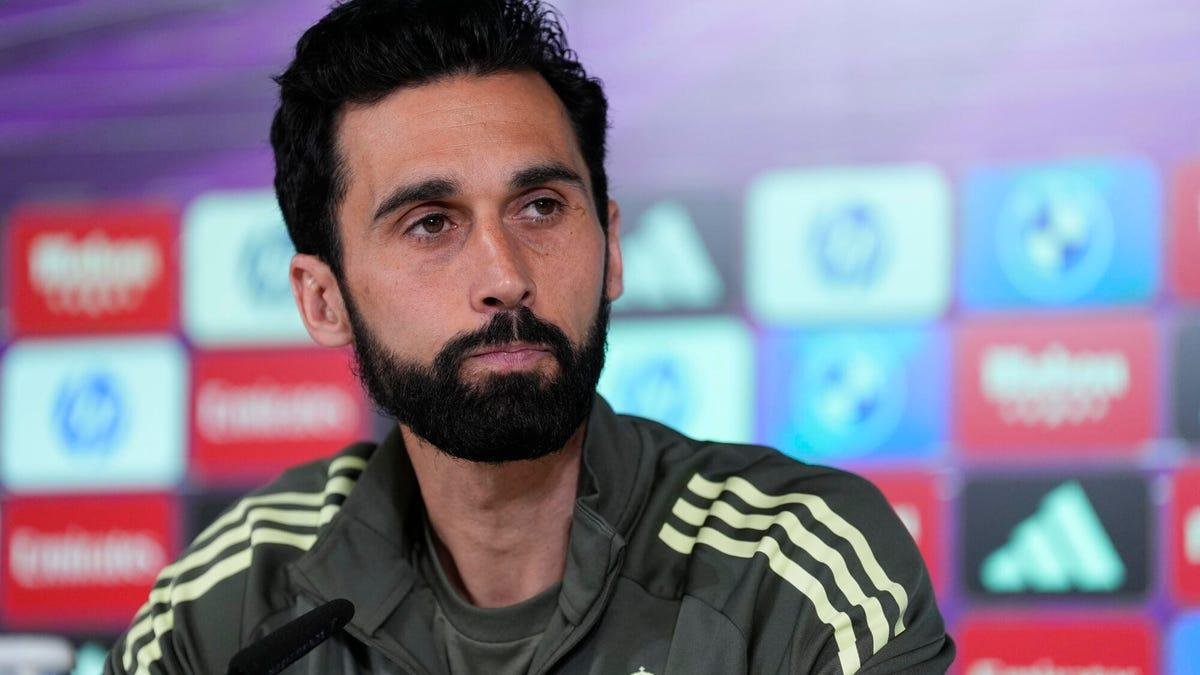
La Liga Soccer: Stream Celta Vigo vs. Real Madrid Live From AnywhereWhen to watch Celta Vigo vs. Real MadridFriday, March 6, at 3 p.m. ET (noon PT)Where to watchCelta Vigo vs. Real Madrid will air in the US on ESPN Select.See at ESPN Watch La Liga in the US from $12 a month ESPN Select La Liga Soccer: Stream Celta Vigo vs. Real Madrid Live From Anywhere Watch...
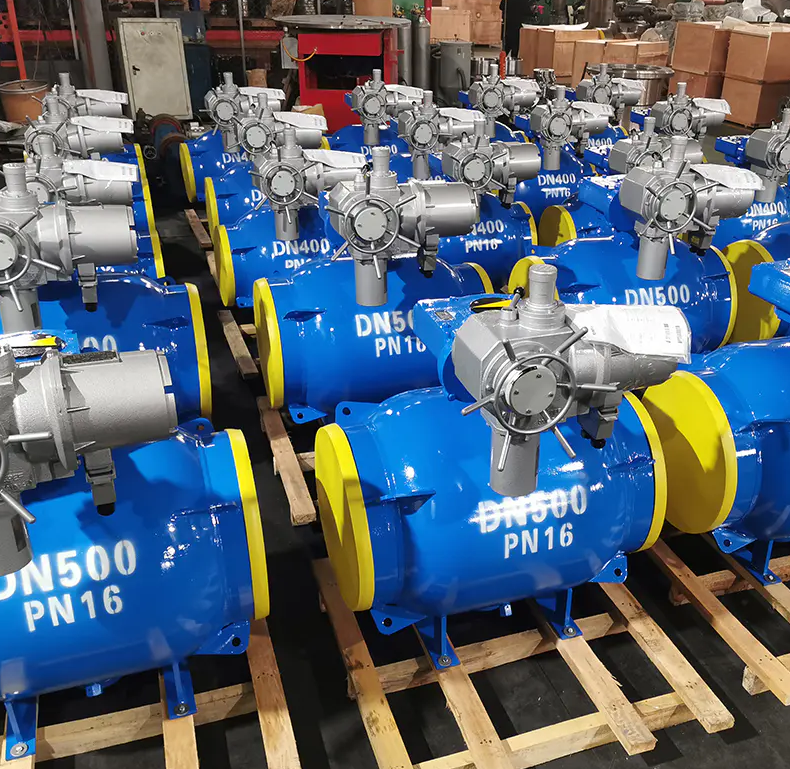
Modern industrial facilities require flow control equipment capable of operating reliably under demanding pressure, temperature, and environmental conditions. Whether supporting upstream oil production, petrochemical processing, power generation, or industrial manufacturing, valve performance directly influences production efficiency and operational safety. Working with a professional Forged...
Germany's AfD party adopts 'radical' manifesto ahead of polls57 minutes agoBethany BellGermany reporterReutersUlrich Siegmund, AfD's top candidate in Saxony-Anhalt, said the "whole of Germany" was watching the state's electionThe far-right Alternative für Deutschland (AfD) party is riding high in the opinion polls in the eastern German state of Saxony-Anhalt and could win an outright majority...