Trump EPA reportedly seeks to revoke landmark air pollution rule
Trump EPA reportedly seeks to revoke landmark air pollution rule
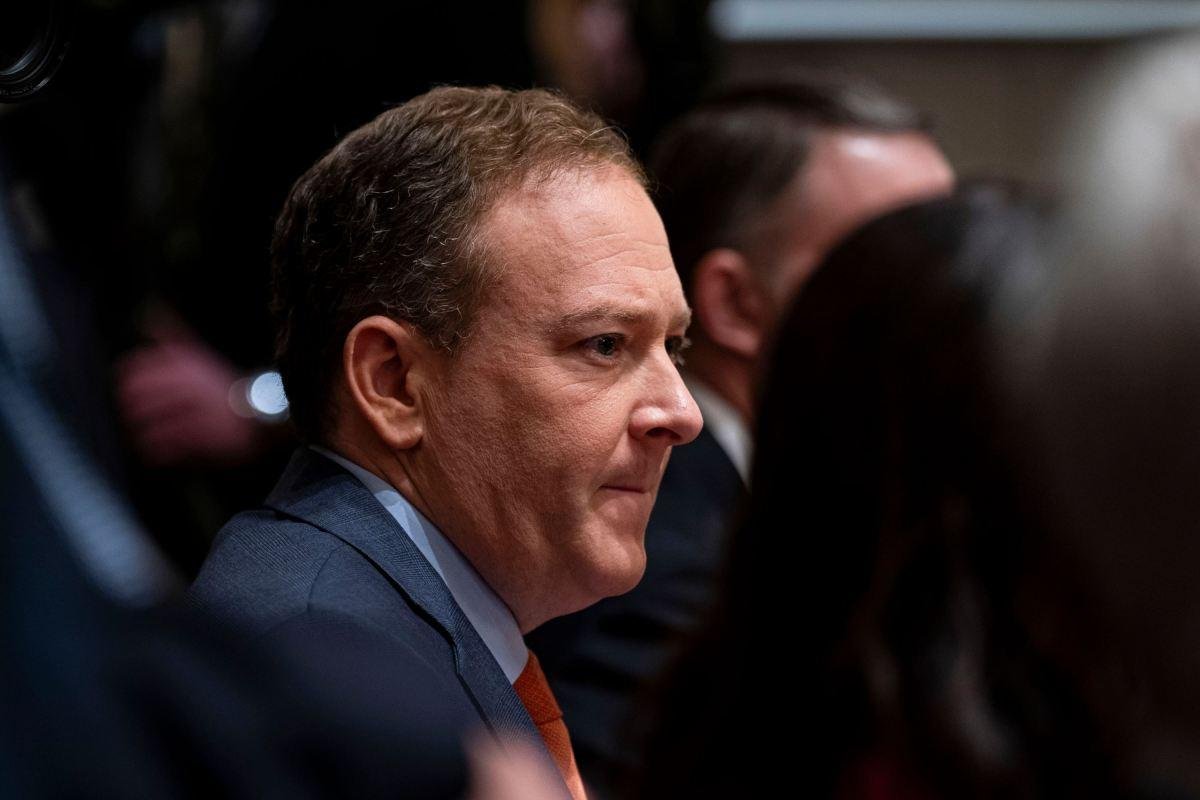
The Trump administration’s EPA administrator, Lee Zeldin, is looking to repeal the 2009 “endangerment finding” that found greenhouse gases pose a threat to human health and welfare, possibly as early as this week, the Wall Street Journal reports.
The EPA finding had set the legal basis for federal regulation of six greenhouse gases, including carbon dioxide and methane, and it has been unsuccessfully challenged since it was first instituted.
The move is almost certain to attract a number of lawsuits, and it could be years before the matter is settled. The EPA’s move will only affect tailpipe emissions for cars and trucks, though it’s expected that the Trump administration will use it to unwind regulations in other sectors like power plants and industrial facilities.
Legacy automakers, which pushed Trump to weaken fuel efficiency rules, notably did not push for the EPA to repeal the endangerment finding. Tesla went further, asking the EPA to maintain the finding, saying it was “based on a robust factual and scientific record.”
If the Trump administration is successful, the U.S. will be increasingly out of step with regulations in other advanced economies. Companies that do business across borders will need to develop different approaches for each market, increasing costs.
Automakers, in particular, are facing a future in which they’ll be forced to serve bifurcated markets, at least in the near term. Regulatory whiplash in the U.S. coupled with increasing competition from China has cost automakers tens of billions of dollars.
American automakers’ reliance on fossil fuel-powered trucks, in particular, has painted the domestic industry into a corner, providing addictive profits that distract from future-proofing their fleets in advance of seemingly inevitable competition from Chinese marques.
Techcrunch event
Boston, MA | June 23, 2026
The Trump administration told the WSJ it expects the policy change to save more than $1 trillion, though it didn’t provide any evidence to back that figure up.
Climate change is expected to cost far more. The Congressional Budget Office found that nearly $1 trillion worth of real estate is threatened by rising sea levels, and mortality rates in the U.S. could be 2% higher if global warming isn’t abated. Another study, published in 2024, found that climate change could trim global GDP by 17% by 2050, the equivalent of $38 trillion per year.
Tim De Chant is a senior climate reporter at TechCrunch. He has written for a wide range of publications, including Wired magazine, the Chicago Tribune, Ars Technica, The Wire China, and NOVA Next, where he was founding editor.
De Chant is also a lecturer in MIT’s Graduate Program in Science Writing, and he was awarded a Knight Science Journalism Fellowship at MIT in 2018, during which time he studied climate technologies and explored new business models for journalism. He received his PhD in environmental science, policy, and management from the University of California, Berkeley, and his BA degree in environmental studies, English, and biology from St. Olaf College.
You can contact or verify outreach from Tim by emailing tim.dechant@techcrunch.com.
Commandité
Commandité
Commandité
Commandité
Annonces
Catégories
Lire la suite
Relative of airmen killed in refueling plane crash in Iraq talks about his life Maj. John "Alex" Klinner was among six airmen killed in a refueling plane crash during Operation Epic Fury. NPR's Michel Martin speaks with Klinner's sister-in-law, Sarah Rose Harrill, about his life.

Gold Prices Today: February 25, 2026 We research all brands listed and may earn a fee from our partners. Research and financial considerations may influence how brands are displayed. Not all brands are included. Learn more. By:...
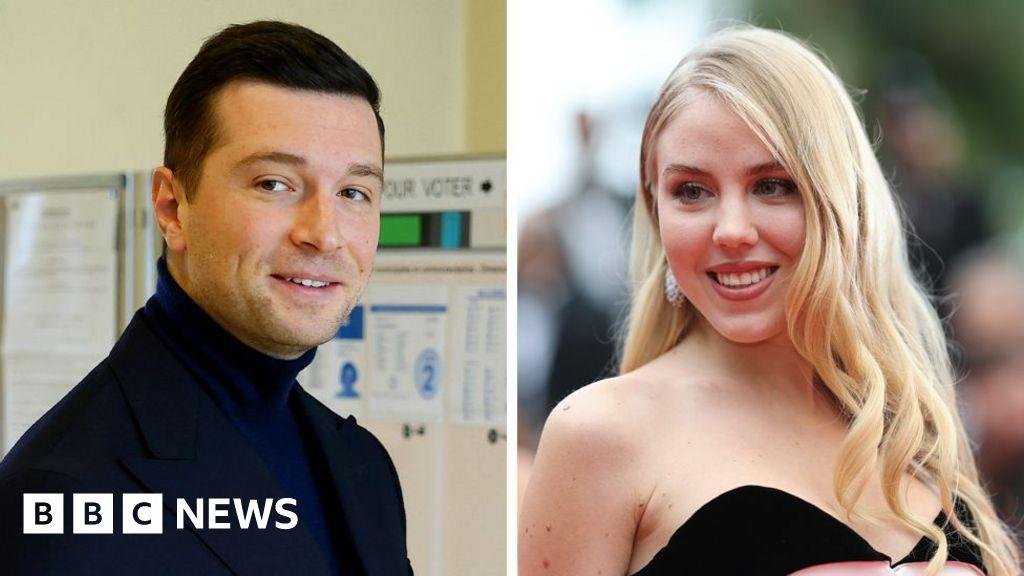
French far-right leader Jordan Bardella romantically linked to Italian princess Maria Carolina Bourbon-Two SiciliesEPAJordan Bardella and Princess Maria Carolina Bourbon-Two Sicilies reportedly met during the Grand Prix in May last yearFrance's far-right presidential hopeful Jordan Bardella is in a relationship with Italian socialite Princess Maria Carolina of Bourbon-Two Sicilies, according to...
Prospects fade for imminent end to Iran war as attacks restart Lebanese civil defence workers search through the rubble of a building following an Israeli strike at dawn in the southern Lebanese area of al-Hosh, near the coastal city of Tyre on May 26, 2026....

From Tesla to Your 401(k): How to Invest in the Elon Musk Stock Without Wrecking Your Retirement We research all brands listed and may earn a fee from our partners. Research and financial considerations may influence how brands are displayed. Not all brands are included. Learn more. Money is not a client of any investment adviser featured on this page. The...