CRA charged taxpayer instalment interest before he received all his GIC income
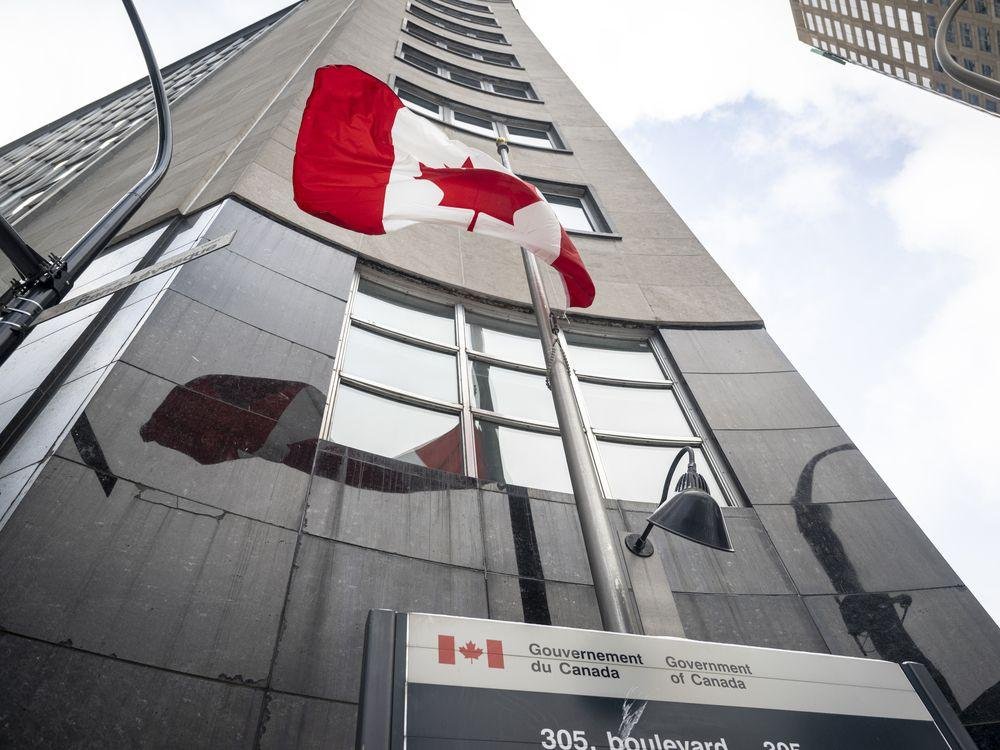
CRA charged taxpayer instalment interest before he received all his GIC income
Article content
If you invest in a guaranteed investment certificate (GIC) outside of a registered plan such as a registered retirement savings plan (RRSP) or tax-free savings account (TFSA), many financial institutions will allow you to choose how often you receive your interest payments. For GICs with terms of one year or more, you can often elect to receive simple interest paid either monthly, semi-annually or annually. Alternatively, many GICs allow you to choose the compound interest option, which, while calculated annually, is only paid upon maturity.

THIS CONTENT IS RESERVED FOR SUBSCRIBERS ONLY
Subscribe now to read the latest news in your city and across Canada.
- Exclusive articles from Barbara Shecter, Joe O'Connor, Gabriel Friedman, and others.
- Daily content from Financial Times, the world's leading global business publication.
- Unlimited online access to read articles from Financial Post, National Post and 15 news sites across Canada with one account.
- National Post ePaper, an electronic replica of the print edition to view on any device, share and comment on.
- Daily puzzles, including the New York Times Crossword.
SUBSCRIBE TO UNLOCK MORE ARTICLES
Subscribe now to read the latest news in your city and across Canada.
- Exclusive articles from Barbara Shecter, Joe O'Connor, Gabriel Friedman and others.
- Daily content from Financial Times, the world's leading global business publication.
- Unlimited online access to read articles from Financial Post, National Post and 15 news sites across Canada with one account.
- National Post ePaper, an electronic replica of the print edition to view on any device, share and comment on.
- Daily puzzles, including the New York Times Crossword.
REGISTER / SIGN IN TO UNLOCK MORE ARTICLES
Create an account or sign in to continue with your reading experience.
- Access articles from across Canada with one account.
- Share your thoughts and join the conversation in the comments.
- Enjoy additional articles per month.
- Get email updates from your favourite authors.
THIS ARTICLE IS FREE TO READ REGISTER TO UNLOCK.
Create an account or sign in to continue with your reading experience.
- Access articles from across Canada with one account
- Share your thoughts and join the conversation in the comments
- Enjoy additional articles per month
- Get email updates from your favourite authors
Sign In or Create an Account
or
Article content
Article content
Either way, you’re generally required to pay tax annually on the interest income you earn, even if you don’t receive the cash each year. Your financial institution will provide you with a T5 slip each February reporting any interest income you received in the prior year as well as any interest accrued (if not actually paid), if you invested in a GIC that only pays interest at maturity, once you have held the GIC for a year. Accrued compound interest on GICs is reported based on the anniversary date of the GIC’s issue.
Article content
Article content
By signing up you consent to receive the above newsletter from Postmedia Network Inc.
Article content
For example, let’s assume you bought a compound-interest GIC on Feb. 15, 2025, which matures on Feb. 15, 2030, at which time the interest is paid to you. No T5 slip will be issued for 2025 since the first anniversary date of the GIC only falls in 2026. For 2026 through 2029, you will receive a T5 slip each year reporting the interest that accrues, respectively, to Feb. 15, 2026, Feb. 15, 2027, Feb. 15, 2028, and Feb. 15, 2029. You will receive one final T5 slip for 2030 showing the interest paid in the final year less what was previously reported on in previous years as accrued interest.
Article content
Article content
A lack of understanding of the tax reporting of GIC income accrued, but not paid, got a taxpayer into hot water with the Canada Revenue Agency (CRA) for the 2022 taxation year. The taxpayer’s troubles began when he ignored a February 2022 CRA instalment reminder, informing him that if his tax owing for the 2022 taxation year was going to be more than $3,000, he may be required to pay income tax by instalments. The CRA provided him with his various options for instalment payments.
Article content
Article content
In August 2022, the CRA issued another instalment reminder, informing the taxpayer that he would not be required to pay further instalments in 2022 if he had paid all the amounts identified in earlier reminders. However, the taxpayer did not make any instalment payments in 2022.
Article content
When the CRA assessed the taxpayer’s 2022 tax return on May 23, 2023, he had a balance owing of $9,127, which included both arrears interest and instalment interest resulting from his failure to make instalment payments. The taxpayer subsequently paid the amount owing.
Article content
In June 2023, the taxpayer wrote to the CRA requesting relief for the interest charged for the 2022 taxation year. He explained that he had checked with his bank which had informed him that his T5 that contributed to the income giving rise to the instalment obligations included what the taxpayer referred to as “notional interest” on GICs that was attributed to the taxpayer in the 2022 taxation year but not yet paid to him. He argued that he should not be expected to pay taxes by instalment on “notional income” that he had not yet received. He therefore requested interest relief from the CRA.
Patrocinado
Anúncios
Anúncios
Anúncios
Categorias
Leia mais
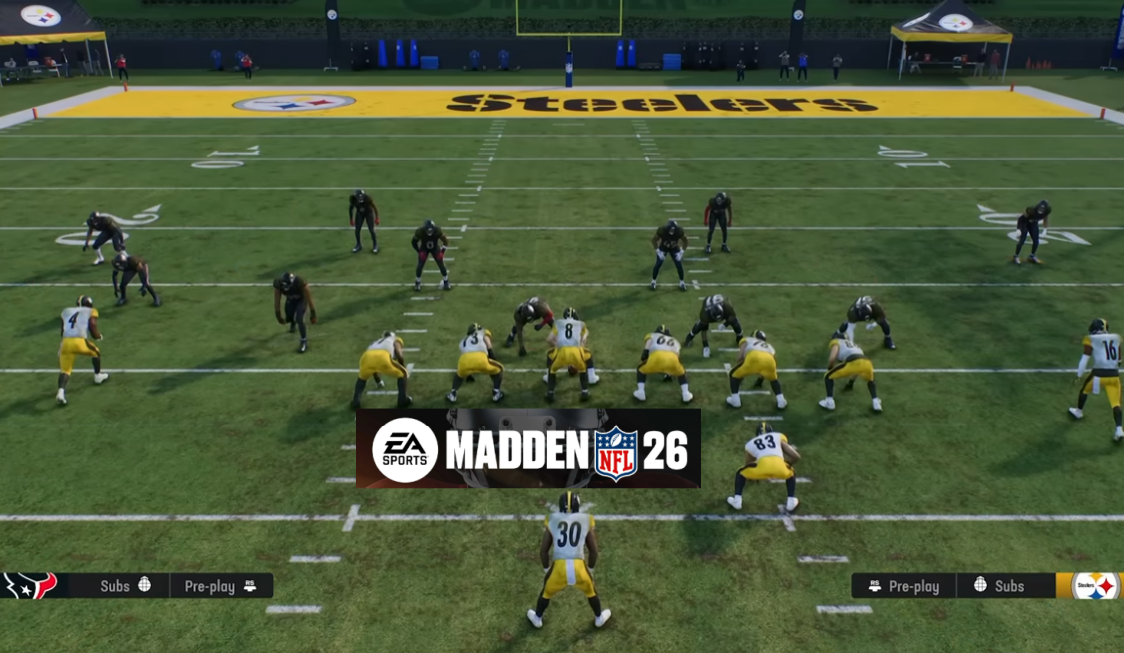
If you are looking for an offense in Madden 26 that is both dominant and accessible, the Gun Y Off Trips scheme out of the Washington Commanders playbook stands above the rest. What makes this offense special is not just how explosive it is, but how simple it is to execute. There are no hot routes, no pre-snap adjustments with Madden 26 coins, and no advanced setups required. Every play is...
Verizon Debuts Discounted Plans for New Subscribers to Attract Carrier ConvertsIn addition to introducing its new Verizon Shine loyalty program on Tuesday, Verizon has added two new plans to its lineup that offer incentives for customers who switch to the carrier.The Simplicity plan costs $45 per line, but switchers who bring their number to Verizon pay $30 per month. For that, you get...

These Impulse Buys Under $25 Actually Make Surprisingly Great GiftsImpulse buying isn't always a bad thing, especially when the end result is a one-of-a-kind and useful gift.Desiree DeNunzio is the gift guide editor for CNET's Commerce team. When she's not writing and editing, she's either hiking through the redwoods or curled up with a good book and a lazy dog.See full bio1 of 20James...

The global Transparent PCR Resin in Beauty Packaging Market is poised for strong expansion as cosmetic and personal care manufacturers accelerate the adoption of sustainable packaging solutions that balance environmental responsibility with premium aesthetics. According to FactMR, the market is expected to reach USD 1.7 billion in 2026 and expand to USD 5.2 billion by 2036, reflecting a robust...

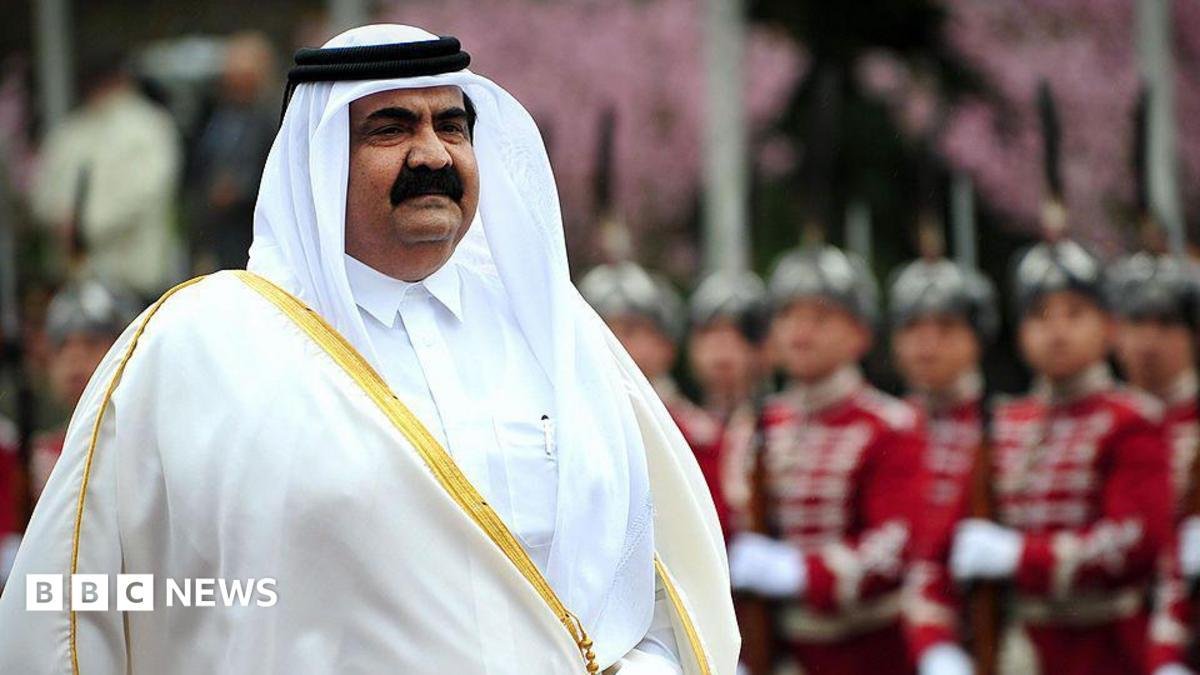
Former Emir of Qatar Sheikh Hamad bin Khalifa Al Thani dies aged 74Image source, Getty ImagesImage caption, Sheikh Hamad during a two-day visit to Bulgaria as part of a European tour in 2009Sheikh Hamad bin Khalifa Al Thani, the former leader of Qatar, has died aged 74, the country's government announced on Sunday."The Bureau of the Emir mourns the great loss to the nation of the late, may God...