Keep winter spending surprises from leaving you out in the cold
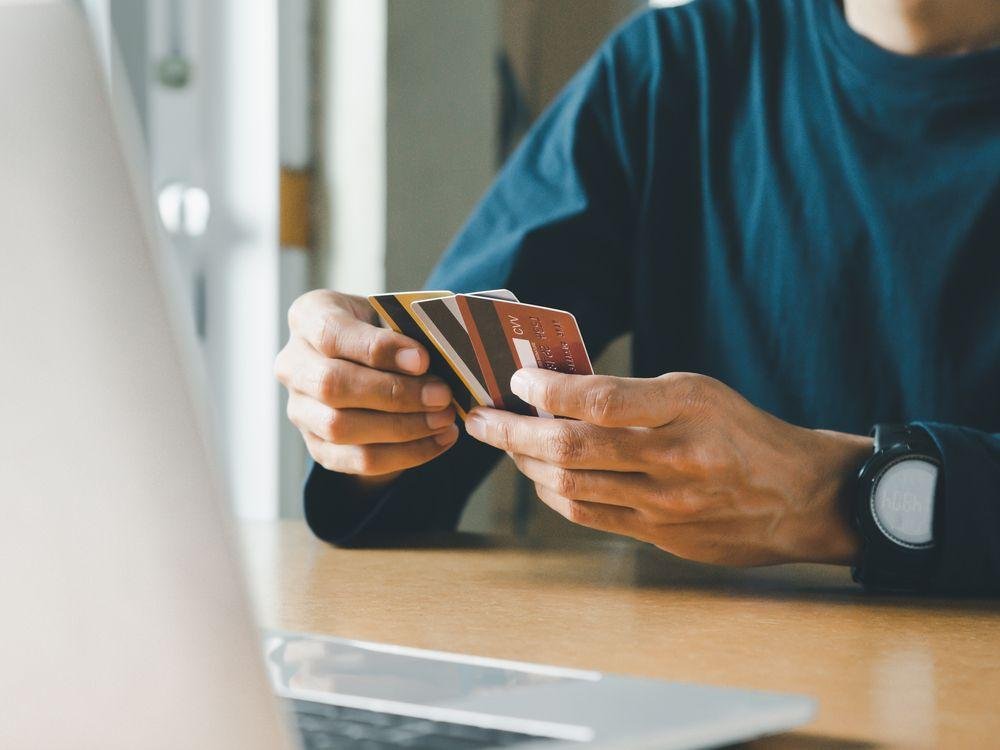
Keep winter spending surprises from leaving you out in the cold
Article content
Instead of absorbing travel into your monthly household budget, build it into your annual spending plan alongside RRSP and TFSA contributions. For instance, if you typically spend $12,000 on winter travel and recreation, acknowledge this when you outline your budget. Then once it is planned, you can look for ways to optimize the costs. This could mean booking a trip earlier, using loyalty programs strategically and avoiding upgrades on credit or financing reservation deposits.
Article content
Falling into the habit of carrying short-term balances because income will cover the payments eventually is the cost of complacency because interest on revolving credit will eventually erode returns elsewhere.
Article content
Audit your energy efficiency
Article content
Heating costs are amplified in larger or drafty homes and a winter energy audit can produce meaningful long-term savings. Upgrading insulation, sealing drafts, installing smart thermostats or replacing aging furnaces will require upfront expenditures. However, in the long run, the home improvements will end up saving money and the environment with reduced operating costs and great efficiency.
Article content
Article content
Where possible, take advantage of provincial and federal rebate programs when doing upgrades. Even if higher utility bills are not currently an urgent concern, putting any savings into investments can add up over time. When you focus on your overall net worth, energy efficiency upgrades are not just about saving money, they are a way to strengthen your long-term financial resilience.
Article content
Avoid reward spending during dark months
Article content
There is a psychological component to winter spending, and shorter days and colder weather can nudge us toward convenience and comfort purchases such as more takeout, spontaneous online shopping or home decor refreshes. For anyone with demanding work, these purchases often feel like deserved rewards.
Article content
Rather than eliminating them, build in a defined winter comfort line item into your household budget. A set monthly amount for dining out, entertainment or personal upgrades maintains enjoyment without becoming excess. Being intentional is what keeps lifestyle spending aligned with your values instead of drifting upward.
Article content
Protect long-term priorities
Article content
It can be tempting to redirect surplus cash toward travel or home projects, planning to catch up on RRSP or investment contributions later. But consistency is powerful. Automated monthly investing rather than lump sum scrambling before a deadline ensures that seasonal fluctuations do not derail long-term progress.
Article content
Article content
Similarly, assess the status of your emergency fund to ensure that your household has a combination of readily available resources to cover at least three to six months of essential expenses. Winter storms, job transitions or unexpected repairs can affect anyone. Liquidity is what prevents temporary disruptions from turning into costly debt.
Article content
Use credit as a tool, not a buffer
Article content
It is easy to slide into using lines of credit or credit cards as seasonal shock absorbers. While strategic use of rewards cards can be beneficial, carrying balances can undermine that advantage. If you notice winter balances lingering into spring, treat it as a signal that you have a misalignment between your spending and planning.
Article content
Winter does not have to be a financial blind spot. When you anticipate seasonal costs, align them with your broader plan and spend intentionally, you stay in control of your spending and long-term plan. Comfort expenses, travel and the occasional indulgence can all fit within a well-structured financial life. The key is ensuring that they are planned and funded in advance, not quietly financed at the expense of future goals.
Article content
Mary Castillo is a Saskatoon-based credit counsellor at Credit Counselling Society, a non-profit organization that has helped Canadians manage debt since 1996.
Article content
Sponsorizzato
Sponsorizzato
Sponsorizzato
Sponsorizzato
Pubblicità
Categorie
Leggi tutto
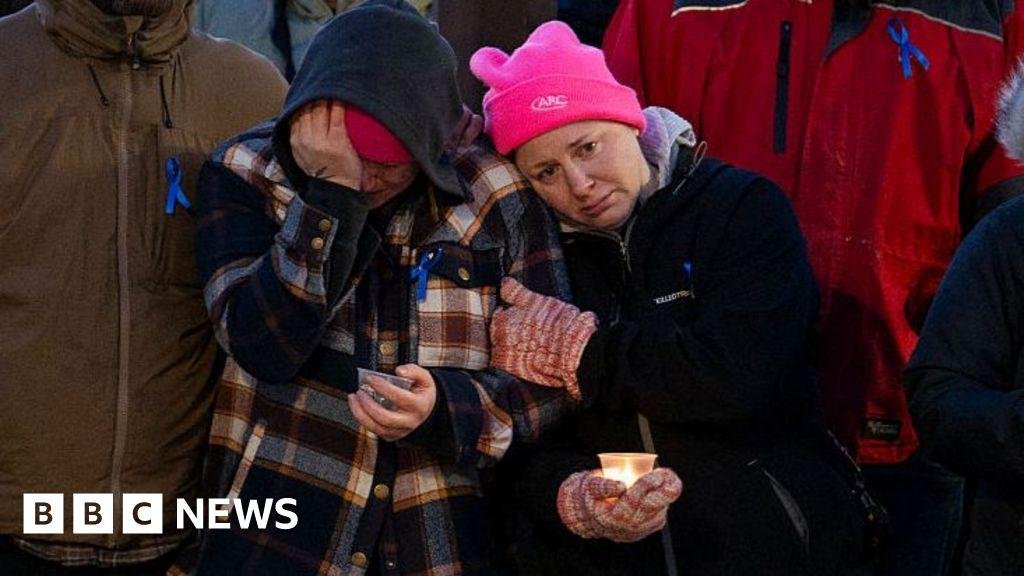
'Canadians are with you', Carney says at Tumbler Ridge shooting vigilNadine YousifSenior Canada reporter, Tumbler Ridge, British Columbia‘She was everything’: Mother of Tumbler Ridge shooting victim remembers her daughterCanadian Prime Minister Mark Carney has attended a vigil in Tumbler Ridge, British Columbia, where hundreds gathered to mourn the eight victims killed in a mass shooting there...
iOS 26.4 Brings New Emoji, a Playlist Generator and More to Your iPhoneApple released iOS 26.4 on Tuesday, March 24, about a week after the tech giant released iOS 26.3.1 (a), the company's first Background Security Improvement update. The most recent update brings a slew of features to your iPhone, including new emoji and video podcasts plus more than two-dozen bug fixes and security...

Germany troop cuts send wrong signal to Russia, say two top US RepublicansGetty ImagesTwo senior US Republican lawmakers have criticised a decision by the Pentagon to cut 5,000 US troops stationed in Germany, saying it risked undermining deterrence and would send the wrong signal to Russia.Roger Wicker and Mike Rogers, who chair the Senate and House armed services committees respectively, said...

Politician brothers convicted for ordering murder of Brazilian councillorFiona Nimoni,in LondonandIone Wells,in São Paulo, BrazilAPMarielle Franco was 38 years old when she was shot dead Brazil's Supreme Court has voted to convict two politicians of ordering the murder of the prominent Rio de Janeiro councillor and activist, Marielle Franco. Brothers Domingos Inácio Brazão and João Francisco...

How a huge wave of Israeli strikes brought chaos to LebanonAt 14:15 local time on 8 April 2026, Israel launched a massive wave of strikes against Lebanon - just hours after US President Donald Trump announced a ceasefire between the US, Israel and Iran to pause fighting in the Gulf region.Israel said it struck 100 targets in 10 minutes, dashing hopes in Lebanon that the pause in fighting in...