Amid new competition, Chrome speeds up its release schedule
Amid new competition, Chrome speeds up its release schedule
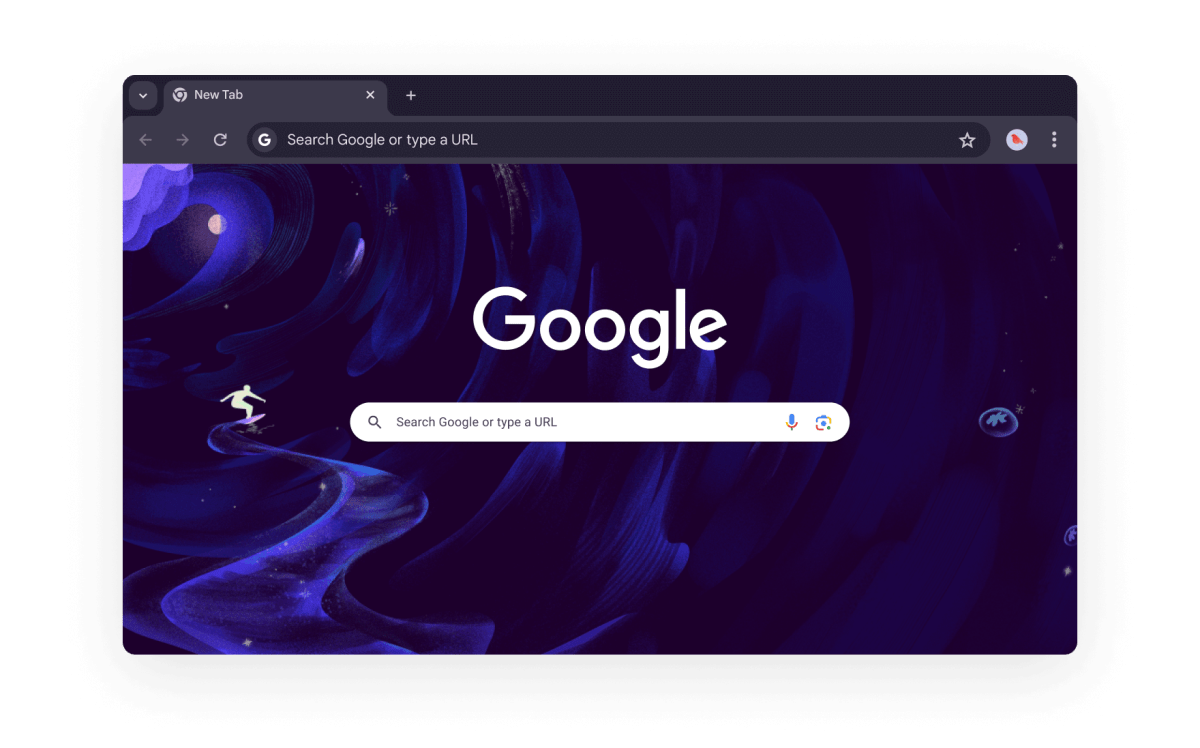
As AI-powered browsers from companies like OpenAI, Perplexity, and others attempt to carve out a space for themselves in a market that’s long been dominated by Chrome, Google says that it’s now speeding up the pace of Chrome releases. Starting this September, Chrome will move from a four-week release schedule to a two-week schedule, the tech giant announced on Tuesday.
Chrome has committed to shipping a new milestone of some sort with each release, in areas like stability, speed, or ease of use. (This is in addition to the weekly security updates that were introduced back in 2023.) As a result, those milestones will now come twice as frequently.
Officially, Google says that the new schedule reflects the ever-changing web platform, and it wants to ensure developers have immediate access to the latest tools and improvements. However, the move comes at a time when Chrome is finally facing what could one day become real competition from AI model providers, who are trying to rebuild the browser for an agentic web, where more tasks are automated on users’ behalf.
ChatGPT Atlas, OpenAI’s web browser, offers its AI assistant built in and is experimenting with various automations. Perplexity’s Comet, meanwhile, includes a sidecar AI assistant for all and other tools like an email assistant and meeting scheduler for its paid customers.
In response to the emerging threats, Google has been rapidly rolling out deeper Gemini integrations into Chrome, including its own set of agentic features for autonomous tasks.
Google told TechCrunch this latest move isn’t AI-related, but it’s hard to see how the need to compete at a faster pace isn’t playing a role.
The new release schedule starts with the beta and stable versions (ver. 153) of Chrome on September 8, 2026, and will apply to all platforms, including desktop, Android, and iOS. No changes are being made to other early release platforms, like the Dev and Canary channels.

The Extended Stable release, designed for enterprise admins and Chromium embedders who need more time to manage updates, will continue to be on an eight-week cycle, as before. This option will also still be available to Chromebook users, Google notes.
Sarah has worked as a reporter for TechCrunch since August 2011. She joined the company after having previously spent over three years at ReadWriteWeb. Prior to her work as a reporter, Sarah worked in I.T. across a number of industries, including banking, retail and software.
You can contact or verify outreach from Sarah by emailing sarahp@techcrunch.com or via encrypted message at sarahperez.01 on Signal.
Patrocinados
Patrocinados
Patrocinados
Patrocinados
Publicaciones
Categorías
Read More
Baldur's Gate 3 TV Show Reportedly Coming to HBO, Game Developer Larian Not InvolvedBaldur's Gate 3 will be the next game to get the HBO treatment and become a streaming series, but the game's developer Larian has said it's not directly involved. HBO has tapped The Last of Us showrunner Craig Mazin to create, write and executive-produce a live-action fantasy TV show, Deadline reports. But while...

UN looks for a short-term solution for moving fertilizer through the Strait of Hormuz UN looks for a short-term solution for moving fertilizer through the Strait of Hormuz The U.N. looks for a quick solution to get cargo ships with fertilizer through the Strait of Hormuz, to prevent a global food crisis.
Why a beauty spot in South Africa may be about to run out of waterGetty ImagesFears that the taps in the South African tourist resort of Knysna, with its turquoise water, sandy beaches and pleasant weather, could soon run dry - a moment known as "day zero" - have prompted a state of disaster to be declared.It is a scary prospect for the 100,000 residents who live in an area situated along South...

Sudan war: RSF committed crimes against humanity in el-Fasher, Amnesty saysSudanese paramilitaries committed crimes against humanity and ethnic cleansing during their campaign to seize the city of el-Fasher last year, a rights group report says. The siege and takeover of the city in the western region of Darfur marked one of the bloodiest episodes in Sudan's civil war between Sudan's army and...

Waymo halts freeway rides after robotaxis struggle in construction zones Image Credits:Waymo 2:13 PM PDT · May 21, 2026 Waymo has suspended robotaxi service on freeways in San Francisco, Los Angeles, Phoenix, and Miami as it works to improve performance in construction zones, the company confirmed to TechCrunch on Thursday. Waymo said it’s in the process of...