A Tale of Two Earnings Cycles

A Tale of Two Earnings Cycles
The fourth quarter (Q4) 2025 earnings season continued a recent trend – the Nasdaq-100® large caps and S&P 600 small caps both saw strong earnings growth. However, looking beyond the headline number, it’s clear that the drivers of these earnings trends couldn’t be more different.
Large and small caps both seeing strong earnings growth now
The Nasdaq-100® posted 17% year-over-year (YoY) earnings growth in Q4 2025, extending its remarkable streak to 11 consecutive quarters of 15%+ YoY growth.
The story for small caps has been the mirror image. The S&P 600 endured 11 straight quarters of negative earnings growth from Q3 2022 through Q1 2025. But the tide turned in Q2 2025, when small-cap earnings returned to positive territory, and Q4 marks its third-straight quarter of positive earnings growth.
Chart 1: Nasdaq-100® on streak of 15%+ earnings growth as small caps put recession in the rearview

Looking ahead, consensus estimates project the Nasdaq-100® to continue its streak of 15%+ earnings growth for the next year and for the S&P 600 small caps to continue its own streak of positive earnings growth.
While both indexes are seeing strong earnings growth today, a look at the drivers of the growth in the last few years shows that’s where the similarities end.
Nasdaq-100® less sensitive to headwinds that drove small caps to recession
Below, we split earnings growth into three components: Earnings before interest and taxes (EBIT) growth (operational performance), interest cost (positive values = falling interest costs), and a taxes and other items. The headline earnings numbers differ from the chart above since we’re using last twelve months (LTM) data for this analysis.
The side-by-side comparison is striking.
Chart 2: EBIT growth overpowered other factors for the Nasdaq-100®

Small caps (left chart) have faced multiple headwinds. For much of the last couple years, small caps saw negative EBIT growth (green bars) as they faced margin pressure from high inflation and wage growth, along with less pricing power than large caps. At the same time, they were dealing with rising interest costs (purple bars) as the Federal Reserve hiked rates from 2022-2024.
Lately though, as inflation and wage growth slowed, EBIT growth has flipped positive. It’s helped by the Fed’s rate cuts, which caused interest costs plateau — and they will likely start falling in the coming quarters.
Looking at the Nasdaq-100® (right chart), however, you’d think it’s been operating in a world absent these same headwinds. In reality, these headwinds impacted these large caps less because they typically operate with higher margins (so increased input costs have a proportionately smaller impact on EBIT) and they tend to be less labor intensive (meaning fast wage growth matters less).
At the same time, these companies have delivered robust EBIT expansion (green bars), fueled by things like artificial intelligence (AI) infrastructure investment, cloud computing growth and digital advertising strength. Compared to this, interest and taxes have been comparatively negligible.
So, why did the Fed's rate cycle hit small caps so much harder than large caps?
Small caps rely on floating rate debt, meaning Fed moves matter a lot
The reason why is something we’ve covered in recent years. Namely, small caps are much more reliant on floating rate debt than large caps. That makes them much more exposed to changes in the fed funds rate.
Chart 3: The Fed’s 2022-2024 rate hike cycle increased small-cap interest rates nearly 50%

When the Fed started hiking rates in March 2022, it pushed up small-cap average interest rates from 4.7% to 7% by mid-2024 – a nearly 50% increase in borrowing costs in just over two years.
Since the Fed pivoted to rate cuts, small-cap borrowing costs have fallen to 6.6% by Q4 2025. While the magnitude of the decline is modest so far, it’s material since small-cap interest expense is equal of 44% of EBIT currently and further relief is likely ahead, especially if the Fed keeps easing.
Large caps, though, have more access to fixed-rate debt, and they locked in low rates during Covid for multiple years. That’s why, throughout the Fed’s whole hiking and cutting cycle, Nasdaq-100® interest rates ranged from just 3.5% to 4.4%. Plus, many of these companies hold large cash reserves that actually benefit from higher rates.
As a result, the Fed's rate hikes impacted large-cap earnings much less (interest expense is just 9% of EBIT for the Nasdaq-100®).
Strong earnings ahead for large and small caps, but different drivers likely
Although both large- and small-cap indexes saw strong earnings growth in 2025, it’s clear that the drivers of these earnings trends couldn't be more different.
The Nasdaq-100® large caps have benefitted from AI spending and long-term fixed rate financing, and their margins remain strong. Small caps, in contrast, are benefiting from falling rates and slower wage growth.
Either way, if the analysts are right, we should continue to see strong earnings growth for both in 2026.
Προωθημένο
Προωθημένο
Προωθημένο
Προωθημένο
Διαφημίσεις
Κατηγορίες
Διαβάζω περισσότερα
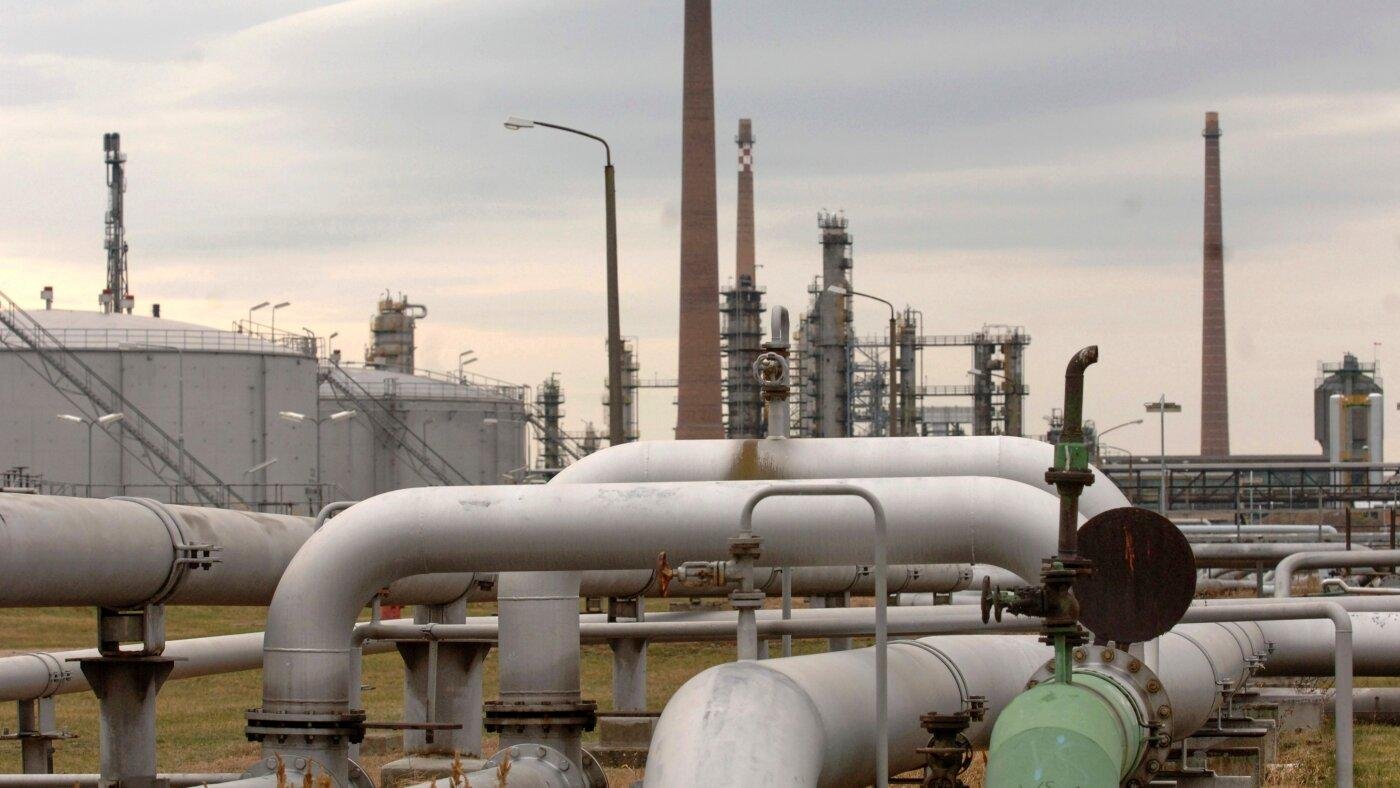
EU offers to pay Ukraine to fix oil pipeline at the center of Ukraine-Hungary feud FILE - A general view of a pumping station at the end of the Druzhba oil pipeline in the east German refinery PCK in Schwedt, Wednesday, Jan. 10, 2007....
When to Watch 'Bridgerton' Season 4, Part 2 on Netflix When to Watch 'Bridgerton' Season 4, Part 2 on Netflix How to watch Bridgerton season 4 on Netflix Who's in the cast of Bridgerton season 4? What are Netflix's subscription tiers? Liam Daniel/NetflixNetflix can split up a season of Bridgerton as swiftly as the words "be my...

Watch: Parachuting to a remote island to deliver Hantavirus aidMembers of the British Army have parachuted onto the remote Atlantic island of Tristan da Cunha to help a British national with suspected hantavirus. Two paratroopers jumped in tandem with an intensive care nurse and a specialist doctor. Medical supplies were also delivered. The patient left MV Hondius, the cruise ship hit by a...

If you're in the market for a new laptop, the latest Apple MacBook Air is currently priced under $1,000 on Amazon, but this offer is limited to certain colors. The 13-inch MacBook Air M5 model is now available for just $999, making it an attractive option for those looking for a quality device without breaking the bank. This deal presents a great opportunity to own a popular and reliable...

OpenAI and Google Take Steps to Avoid Abusive AI Imagery After Grok Scandal2026 started with a horrifying example of generative AI's potential for abuse. Grok, the AI tool from Elon Musk's xAI, was used to undress or nudify pictures of people shared on X (formerly Twitter) at an alarming rate. Grok made 3 million sexualized images over a span of 11 days in January, with approximately 23,000 of...