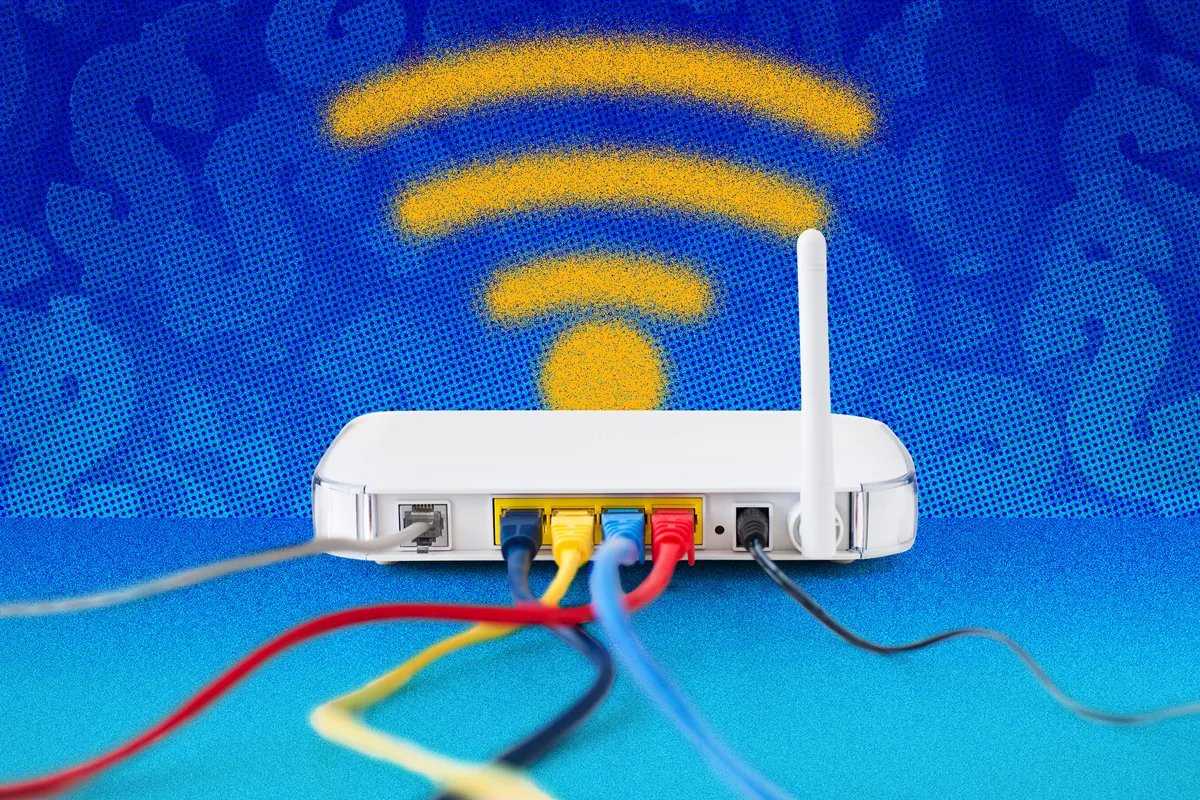
You probably don’t think much about your Wi-Fi router — until it stops working, that is. But a new government policy could make replacing it more expensive.
The Federal Communications Commission has banned the sale of certain foreign-made routers over national security concerns, a move that could limit supply and push prices higher for U.S. consumers. In a statement Monday, FCC chairman Brendan Carr said the move follows a determination that some routers made in other countries pose an "unacceptable risk,” adding them to the agency’s Covered List of restricted equipment.
However, that could be a bigger problem than it sounds because the vast majority of Wi-Fi routers sold in the U.S. aren’t made domestically to begin with.
In an email to Money, a spokesperson for TP-Link, one of the largest router manufacturers, said the FCC’s recent actions “appear to affect virtually all new consumer-grade routers,” since nearly every router manufacturer relies on overseas production or global supply chains. TP-Link, for example, is U.S.-based but does its manufacturing in Vietnam.
Importantly, the ban isn’t retroactive — meaning you don’t have to go panic-buy a new router today. The FCC’s order doesn’t affect devices people already own or models that have already been approved for sale. Those routers can still be sold and used.
However, once that stock is gone, consumers could start to see shortages — and price increases.
“This ban virtually affects all routers,” says Greg Guice, chief policy officer at the Vernonburg Group and a former FCC regulatory attorney. The impact may not be immediate but could become noticeable as new devices face delays or reduced competition, he adds.
When fewer companies can sell routers in the U.S., consumers have fewer options — and less competition typically gives sellers more room to raise prices.
“Where we’ll start to see the pain is probably in the next four to five months,” he says, adding that some devices already in development could be sold at higher price points. “At a time when there is a lot of innovation in the spectrum space, this could really not only hinder pricing but also set us back in terms of giving consumers the innovation that we've been working for years to bring to the market.”
Manufacturers aren’t entirely out of options. Companies can seek exemptions for specific models, though doing so requires extensive disclosures — including where router components are made and detailed plans to shift production stateside over the next five years.
In practice, that process could delay new products from reaching the market, reinforcing concerns about limited supply and rising prices.
Guice says the scope of the policy is unusual compared to past FCC actions, which have typically targeted specific companies — such as Chinese telecom firms like Huawei and ZTE — rather than broad product categories.
"There's not a lot of historical precedent for it," he said.
For now, you don’t need to rush out and replace your Wi-Fi router — but timing could matter if you’re already considering an upgrade. Ultimately, according to Bryan Reimer, a research scientist at the MIT Center for Transportation and Logistics, U.S. households may end up paying more for routers while those abroad benefit from “lower-cost global supply chains and faster technology refresh cycles.”
“Security concerns may drive policy, but consumers bear the economic cost,” he adds.
Ads by Money. We may be compensated if you click this ad.Ad
More from Money:
The Best Wireless Routers for Your Money