


Waymo starts robotaxi services at San Antonio International Airport
Waymo starts robotaxi services at San Antonio International Airport
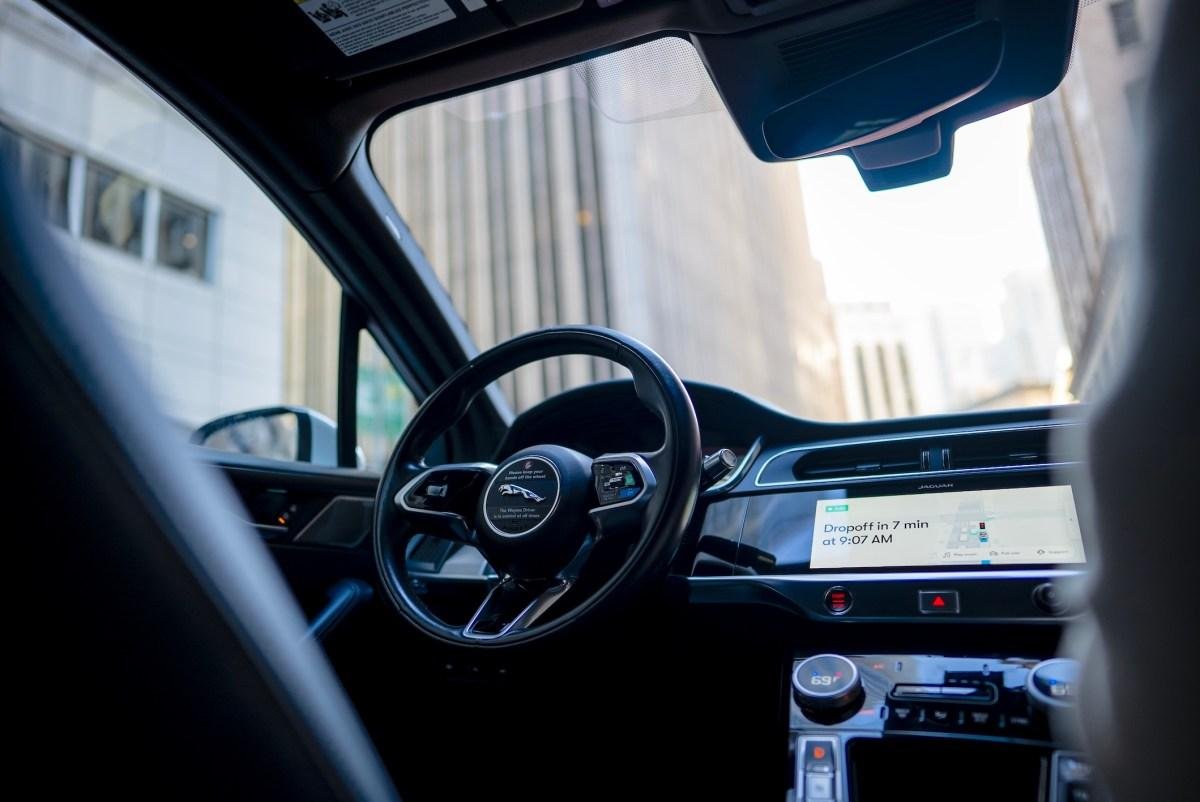
Waymo’s robotaxi service is going live at its fourth airport today: San Antonio International. The company said its vehicles will drop off riders curbside at the terminals, and pick up passengers at the airport’s designated ride-share area.
This is the first airport Waymo is servicing in Texas, where the company currently operates in San Antonio, Austin, Dallas and Houston. Waymo has been offering airport pickups and drops at Phoenix’s Sky Harbor International for a few years now, and has started servicing the San Francisco and San Jose Mineta International airports over the past few months.
Waymo launched its San Antonio robotaxi service in February, though it’s still not fully available to the public yet. The company has been operating an invitation-based system that it is scaling on a rolling basis — an approach it used in Dallas, Houston and Orlando, too. The company said on Tuesday that its waitlist in San Antonio is now “[t]ens of thousands of people” long and that it plans to make its service available to “all public riders soon.”
This phased approach is one way that Waymo is still being cautious in a year of otherwise rapid expansion. The company has said it wants to launch in around 20 new cities this year, including in Tokyo and London. Its robotaxi service is currently live in 10 cities and is running more than 500,000 paid rides per week, roughly double the number it was operating at this time last year. Waymo is expected to start offering rides in its newest vehicle, the Zeekr-built van called Ojai, at some point this year.
The company has shared data that it says proves its robotaxis are already safer than human drivers and reducing serious crashes. Still, Waymo keeps running into new obstacles as it expands.
Waymo’s robotaxis have illegally passed school buses that were picking up or dropping off children, a problem that is being investigated by both the National Highway Traffic Safety Administration (NHTSA) and the National Transportation Safety Board (NTSB). It has issued software updates to address this problem, but is still working with local officials in Austin, where the most school bus incidents have been documented, to figure out how to make its robotaxis behave around the buses, according to Wired.
The NTSB and NHTSA are also investigating the company after one of its robotaxis crashed into a child at a low speed in Santa Monica. The child reportedly sustained minor injuries, and Waymo said its robotaxi slowed from 17 miles per hour to 6 miles per hour before it made impact.
Techcrunch event
San Francisco, CA | October 13-15, 2026
We’re also learning more about everything that goes into Waymo’s on-the-ground operations as it expands. The company has dozens of so-called “remote assistance” staff located in the U.S. and the Philippines who help Waymo’s robotaxis navigate tricky or unexpected scenarios. Waymo also relies on a team of “roadside assistance” workers — as well as first responders — in the rare case that a vehicle gets truly stuck, as TechCrunch recently detailed.
Sean O’Kane is a reporter who has spent a decade covering the rapidly-evolving business and technology of the transportation industry, including Tesla and the many startups chasing Elon Musk. Most recently, he was a reporter at Bloomberg News where he helped break stories about some of the most notorious EV SPAC flops. He previously worked at The Verge, where he also covered consumer technology, hosted many short- and long-form videos, performed product and editorial photography, and once nearly passed out in a Red Bull Air Race plane.
You can contact or verify outreach from Sean by emailing sean.okane@techcrunch.com or via encrypted message at okane.01 on Signal.
Sponsored
Sponsored
Sponsored
Sponsored
Ads
Categories
Read More
Iranians describe life under 'constant' US-Israeli strikes: 'Every day feels like a month'Faren TaghizadehBBC PersianEPA"The number of explosions, the destruction, what is happening - it's unbelievable," says Salar, whose name has been changed.Iran's capital, Tehran, is under heavy attack since strikes began on 28 February, as the US and Israel target military and political sites in a bid to...

Jharkhand: Mother and infant burnt to death over witchcraft allegationsMohammad Sartaj AlamBBC Hindi, JharkhandMohammad Sartaj Alam/BBCThe spot where the woman and child were burned after a mob stormed their houseFour people have been arrested in the eastern Indian state of Jharkhand for allegedly burning to death a woman and her 10-month-old son on suspicion of practising witchcraft earlier...
UpScrolled’s social network is struggling to moderate hate speech after fast growth UpScrolled, a social network that caught fire after TikTok’s ownership change in the U.S., is facing a serious moderation problem. After growing to more than 2.5 million users in January, users have reported the app is not taking action on the creation of usernames and hashtags that contain racial slurs, and...

FBI says Iranian hackers are using Telegram to steal data in malware attacks Iranian government hackers are using Telegram as a way to steal data from hacked dissidents, opposition groups, and journalists who oppose the regime around the world, according to an FBI alert published on Friday. In the first stage of the attack, the hackers contact their targets and pretend to be a...

Pentagon probe points to U.S. missile hitting Iranian school This picture obtained from Iran's ISNA news agency shows the site of a strike on a girls' school in Minab, in Iran's southern Hormozgan province, on February 28, 2026....

