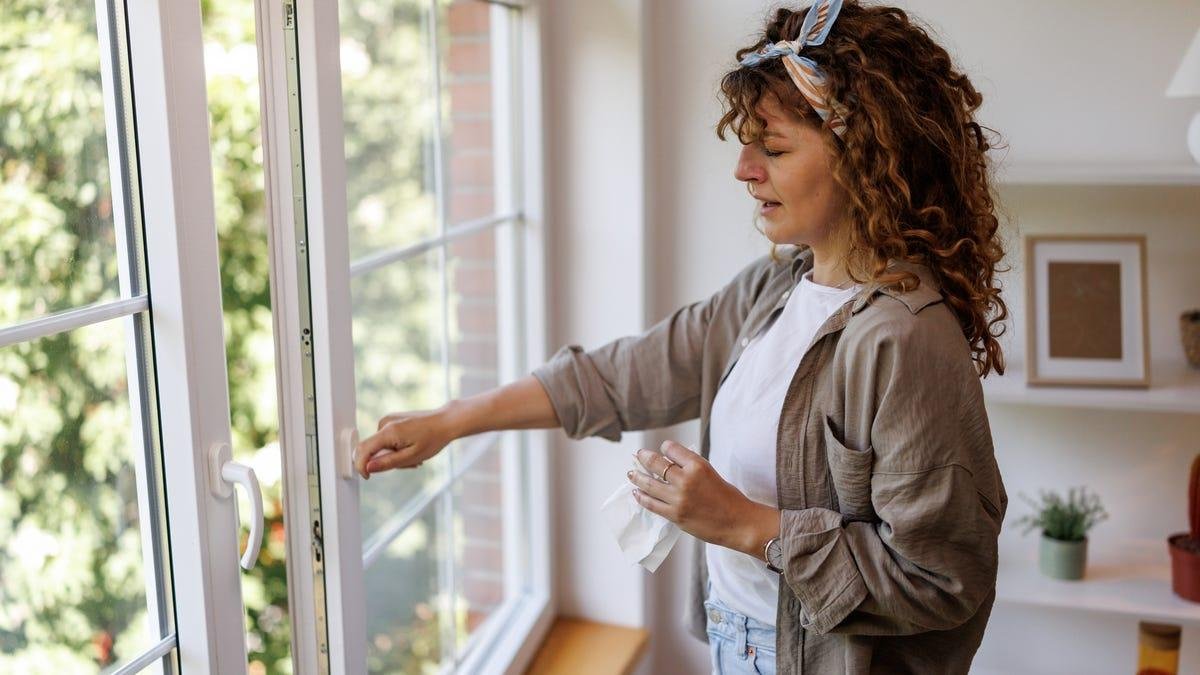
Spring has sprung, which means allergy season has begun. According to the Allergy and Asthma Network, May is the worst month for allergy sufferers in most regions of the US due to elevated pollen counts.
“Allergies to airborne allergens such as pollen can cause symptoms including sneezing, a runny nose, nasal congestion, an itchiness in the nose and throat and red, watery eyes,” explains Dr. Stephanie Kayode, a consultant allergist at Allergy Care London, describing signs of hay fever or allergic rhinitis. “These symptoms occur because pollen allergens provoke inflammation and swelling within the nose, eyes and throat when inhaled.”
When pollen enters our homes, it can cause allergy symptoms even when you’re inside and away from the plants that release pollen, such as trees and grasses. I reached out to allergists to learn how we can allergy-proof our homes and ward off allergies before pollen levels peak.
1. Bring out your air purifier
If your air purifier has been sitting in the back of your closet collecting dust (yikes, another allergen), now is the perfect time to wipe it down and bring it out.
“Indoor air purifiers, particularly those with high-efficiency particulate air filters, are effective at removing pollens and air pollutants from the air we breathe in our homes, thus improving allergy symptoms,” says Kayode. Air purifiers with higher airflow rates tend to be more effective for this purpose because they filter more air.
HEPA filters are designed to capture airborne particles, such as pollen, dust, mold and even bacteria and some viruses, as we discovered when the CNET Labs team tested 12 air purifier models to find the best model for preventing illness.
Capturing air pollutants other than pollen can help reduce allergies, as Kayode explains, because these pollutants can damage our airways and even alter pollen to make it more allergenic. This means that similar or lower pollen levels can cause more severe allergic reactions.
“Using a filter that’s an appropriate size for your space is important, and some people place them by entryways for maximum effectiveness,” adds Meagan W. Shepherd, founder of The Allergy Aesthetic and owner of Shepherd Allergy.
Placing an air purifier in a high-traffic area, such as a bedroom or living room, can be especially beneficial. However, you’ll want to ensure you replace your filters when needed, as dirty or clogged filters can actually become sources of pollutants and allergens.
Now is the time to put your air purifier in a high-traffic area of your home.
FanPro/Getty Images2. Schedule an HVAC tune-up
HEPA filters aren’t just recommended for air purifiers. Your HVAC systems should use them, too, and they should be changed every three months or as needed. You can check your manufacturer’s instructions for this info.
“Make sure to schedule a tune-up before spring starts, and clear debris from around the outer unit,” Shepherd states. “Make sure the condensate drain lines [which remove excess moisture] aren’t clogged.”
If applicable, set indoor humidity to 40%-50%. You can also do this if you have a humidifier.
3. Monitor pollen forecasts
You can keep track of pollen forecasts with apps including Allergy Plus, My Pollen Forecast and Zyrtec AllergyCast. Kayode recommends doing this and limiting outdoor activities when the pollen count is high. This typically happens in the summer and early morning, when warm air makes pollen rise.
On cooler, rainy days, pollen counts are usually lower because rain washes pollen out of the air.
What IQAir's pollen forecast looks like for Los Angeles.
IQAir/Screenshot by CNET4. Prevent the outside from getting inside
While it’s impossible to avoid pollen completely, there are certain steps you can take to lessen your indoor exposure. For one, Shepherd advises keeping windows and doors closed. If you keep track of the pollen forecast, ensure you do so on high-pollen days.
“Change clothes after coming indoors, and keep your hair tied back or wear a hat when outdoors,” Shepherd says. Kayode adds that you can also wear sunglasses to reduce pollen exposure to your eyes.
If you hang laundry outside to dry, you should shake it out before bringing it inside.
Depending on how bad your allergies are, you may even want to arrange for someone else to mow your lawn or opt for a robot lawn mower to avoid pollen exposure.
Even when you get into your car, you can exercise precautions. “When getting into a hot car, turn on the recirculation system with the AC so cabin air is reused without drawing more pollen into the car,” says Shepherd. You can also keep your car’s windows closed to ward off pollen, Kayode adds.
5. Be extra cautious after thunderstorms
While rain washes pollen out of the air, a particularly powerful thunderstorm combined with a high temperature can have unwanted aftereffects, worsening hay fever.
“Thunderstorms can stir up pollen from the ground and cause bursts of pollen fragments in the air, which are highly allergenic,” explains Kayode. “During hot days, pollen builds up and is released into the air during storms, increasing the risk of severe hay fever and asthma symptoms.”
Keep your windows and doors shut on high-pollen days and during thunderstorms.
J_art/Getty Images6. Keep your medicine cabinet stocked
If you notice allergy symptoms or want to prevent them, you can use a saline nasal rinse to clear inhaled pollen from your nasal passages. My doctor recommended I use the Arm and Hammer Simply Saline Nasal Care Daily Mist for this reason.
If that’s not enough and your symptoms are interfering with your daily life, Kayode advises you to consult your doctor to discuss starting allergy medications, such as antihistamine tablets and steroid nasal sprays. Your doctor may suggest taking a daytime antihistamine proactively, especially on days with a projected high pollen count.
The bottom line
While you can’t completely avoid pollen, there are steps you can take to limit your exposure and minimize allergies when inside your home. Using a HEPA filter in both your air purifier and HVAC system can help -- just make sure to change the filter and perform timely maintenance.
If nothing helps and your allergies are running (and ruining) your life, it’s time to schedule an appointment with your doctor.