This creative money transfer strategy among family members could raise red flags with CRA

This creative money transfer strategy among family members could raise red flags with CRA

Article content
Q. I have loaned $500,000 to my wife at the Canada Revenue Agency’s (CRA) prescribed low interest rate of three per cent and she has been paying the required interest. I am gifting $100,000 by bank transfer to my adult son, who is 21 years old. He will transfer the same amount by bank transfer to his mother (my wife). My wife will then transfer the same amount to me by bank transfer to reduce the outstanding loan amount by $100,000. The gift deed will be signed by the donor (the son) and the donee (his mother) mentioning gifting is voluntary.

THIS CONTENT IS RESERVED FOR SUBSCRIBERS ONLY
Subscribe now to read the latest news in your city and across Canada.
- Exclusive articles from Barbara Shecter, Joe O'Connor, Gabriel Friedman, and others.
- Daily content from Financial Times, the world's leading global business publication.
- Unlimited online access to read articles from Financial Post, National Post and 15 news sites across Canada with one account.
- National Post ePaper, an electronic replica of the print edition to view on any device, share and comment on.
- Daily puzzles, including the New York Times Crossword.
SUBSCRIBE TO UNLOCK MORE ARTICLES
Subscribe now to read the latest news in your city and across Canada.
- Exclusive articles from Barbara Shecter, Joe O'Connor, Gabriel Friedman and others.
- Daily content from Financial Times, the world's leading global business publication.
- Unlimited online access to read articles from Financial Post, National Post and 15 news sites across Canada with one account.
- National Post ePaper, an electronic replica of the print edition to view on any device, share and comment on.
- Daily puzzles, including the New York Times Crossword.
REGISTER / SIGN IN TO UNLOCK MORE ARTICLES
Create an account or sign in to continue with your reading experience.
- Access articles from across Canada with one account.
- Share your thoughts and join the conversation in the comments.
- Enjoy additional articles per month.
- Get email updates from your favourite authors.
THIS ARTICLE IS FREE TO READ REGISTER TO UNLOCK.
Create an account or sign in to continue with your reading experience.
- Access articles from across Canada with one account
- Share your thoughts and join the conversation in the comments
- Enjoy additional articles per month
- Get email updates from your favourite authors
Sign In or Create an Account
or
Article content
Article content
By doing several of these transfers, my wife will repay the entire loan amount and build up her own capital to invest, without having to worry about attributions on capital gains, interest, etc. At the time of transfers, none of us have any debts, owe creditors or CRA or have unsettled claims. Please give me your opinion on whether these gifts are considered legitimate? And could you confirm that attributions would not apply to her investment gains and losses, interest, etc.? Your response will be highly appreciated. —Daniel in St. John’s
Article content
Article content
By signing up you consent to receive the above newsletter from Postmedia Network Inc.
Article content
FP Answers: Prescribed rate loans are a tool for families looking to split investment income and reduce their overall combined tax bill. The most common application is when you have family members with a big difference in their incomes who have lots of taxable investments.This strategy can save tax, but if done incorrectly, it can also trigger CRA scrutiny.
Article content
To avoid attribution of income from the loaned funds back to the lender, there are strict conditions. When it is between non-arm’s-length parties such as certain family members, the interest rate charged must be at least the prescribed rate at the time the loan is made. This rate is locked in for the life of the loan, regardless of future changes in interest rates.
Article content
Article content
Right now, the CRA prescribed rate is three per cent. A few years ago, it was only one per cent and the concept was understandably more popular. The interest must be paid annually within 30 days after the end of the calendar year in which it becomes payable. The interest is taxable to the lender and tax deductible by the borrower if they invest the borrowed funds in eligible income-producing assets. This must be properly documented with a written loan agreement and clear records of payments to stay compliant.
Article content
Article content
Repayments should come from the borrower’s resources. If the borrower uses funds that ultimately originated with the lender, whether directly or through gifts or other family members, there is a risk CRA may treat the arrangement as circular and apply attribution rules. This is where your approach could raise red flags, Daniel.
Article content
If the repayment is made indirectly, such as through your son in your example, CRA could challenge whether this repayment constitutes a genuine repayment or merely a continuation of the original loan. If the original loan is not truly repaid, because repayment comes from the lender, directly or indirectly, the attribution rules could continue to apply to income from your wife’s investments. This is sometimes referred to as the “novation” or refinancing risk.
Patrocinado
Anúncios
Anúncios
Anúncios
Categorias
Leia mais
Anthropic CEO stands firm as Pentagon deadline looms Image Credits:Samyukta Lakshmi/Bloomberg / Getty Images 3:19 PM PST · February 26, 2026 Anthropic CEO Dario Amodei said Thursday that he “cannot in good conscience accede to [the Pentagon’s] request” to give the military unrestricted access to its AI systems. “Anthropic understands that the Department of...

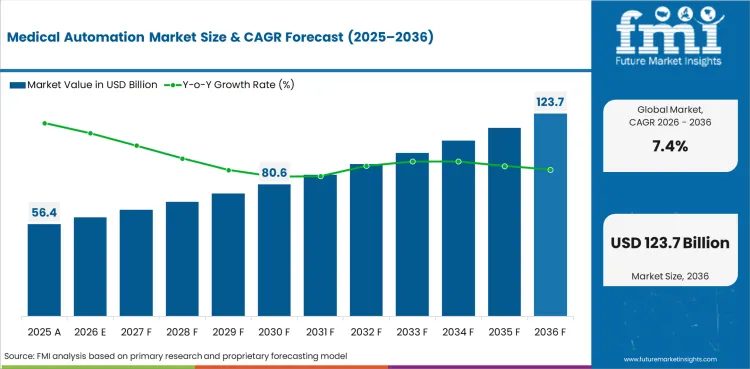
NEWARK, Del., Aug. 27, 2026 — The global Medical Automation Market is expanding as hospitals, diagnostic centers, laboratories, and healthcare providers increasingly adopt automated technologies to improve workflow efficiency, diagnostic accuracy, medication safety, and clinical productivity. According to Future Market Insights (FMI), the market is projected to reach USD 60.6 billion by...
Tesla Created a $225 Balance Bike for Tots, and It's Already Sold OutTesla has taken over electric vehicles, solar panels and robotaxis, and now it's targeting bikes for kids. The tech manufacturing giant has developed a $225 balance bike for toddlers with a five-way adjustable seat and no pedals or brakes, complete with the Tesla logo plastered on its frame. The website says the bike is...

Which M5 Chip Do You Need? MacBook Pro Buying GuideIt's relatively simple to choose a laptop model to buy from Apple, whether your biggest constraint is budget (that's what the MacBook Neo is for), weight (MacBook Air) or you need the MacBook Pro's power and connections. Once you've narrowed it down that far, though, figuring out how to configure it can become baffling. As far as I can...

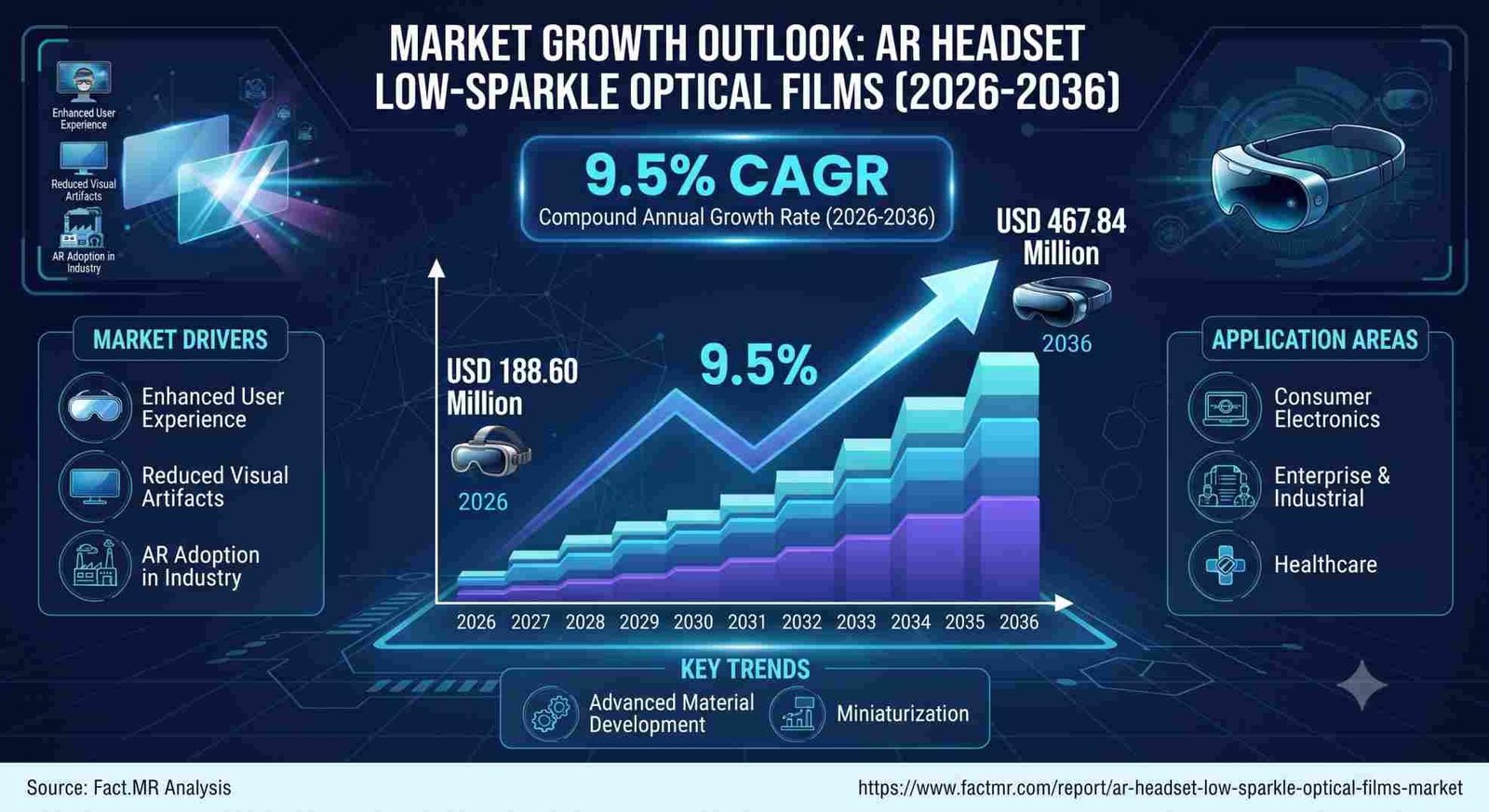
The global AR Headset Low-Sparkle Optical Films Market is projected to increase from USD 188.60 million in 2026 to USD 467.84 million by 2036, expanding at a 9.5% CAGR during the forecast period, according to Fact.MR. The expansion of augmented reality hardware is creating a more demanding optical environment for headset manufacturers. As AR devices become more sophisticated, optical films are...