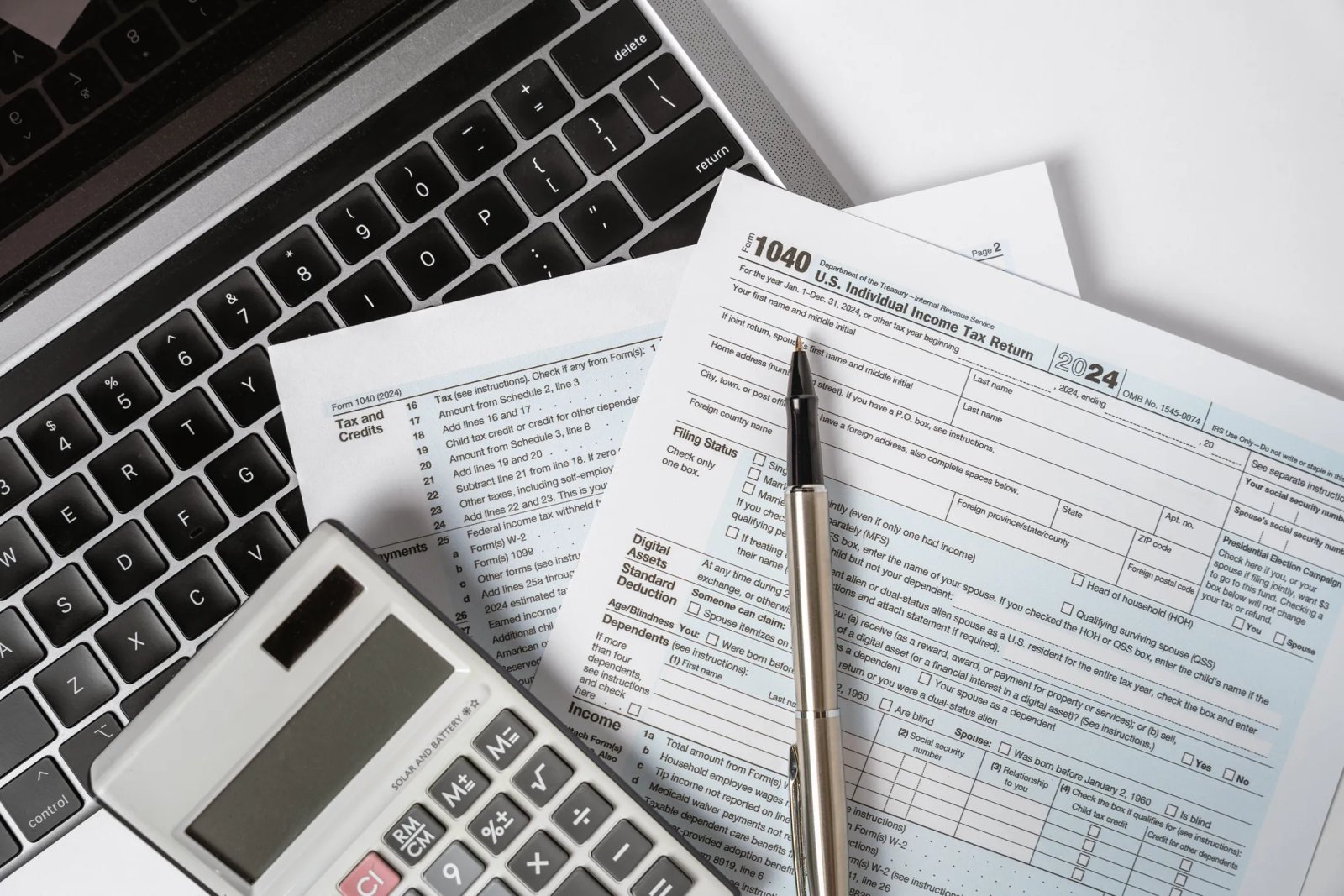
When you owe the government money, it will come to collect. But when that debt gets to be thousands of dollars, it can be especially hard to dig out of a hole dug by penalties and interest.
Your balance can grow quickly, which is why it’s essential to know what to expect. Here’s what taxpayers should know.
Must Read
Penalties and interest adds up
If you owe taxes, you’ll start getting hit with a late penalty fee. The failure to pay penalty is 0.5% of what you owe per month or part of a month, capped at 25% of the total unpaid amount.
Plus, interest will accumulate. The interest rate if the is federal short-term rate plus 3%. It’s determined quarterly and it compounds daily. When you owe a large sum, interest can accrue quickly, making it harder and harder to pay back what you owe.
What to know about liens and levies
If you continue to not pay, the IRS can file a federal tax lien against your assets, which is a claim on your property. It can be more inclined to do so for larger balances, according to H&R Block. Liens can affect your access to credit, and your ability to get a loan or sell property, the company adds.
The IRS can also levy your property, which means actually seizing it. Per the IRS, it can “garnish wages, take money in your bank or other financial account, seize and sell your vehicle(s), real estate and other personal property.”
It can even collect up to 15% of your Social Security benefits.
Where People Are Solving Their Tax Issues Right Now
Watch for letters from the IRS
You will receive a CP14 notice after filing your taxes that says how much you owe if you owe any money. If you can, it’s best to pay immediately.
If you don’t, you’ll eventually receive a CP501 notice, which serves as a reminder to pay off your balance. A CP503 notice is a second reminder.
A CP504 notice represents the agency’s intent to levy and a LT11 notice or 1058 letter is the final notice on an intent to levy.
The 10-year statute of limitations
The IRS generally has a deadline called the Collection Statute Expiration Date (CSED) which is 10 years from when your tax is assessed to collect taxes, penalties and interest. The clock can be stopped for several reasons, including if you file for bankruptcy, submit an offer in a compromise application or request an installment plan.
But trying to wait out those 10 years likely doesn’t make sense. The IRS can use aggressive collection tactics and you’ll be facing interest and penalties.