Google’s AI Studio now lets anyone build Android apps in minutes
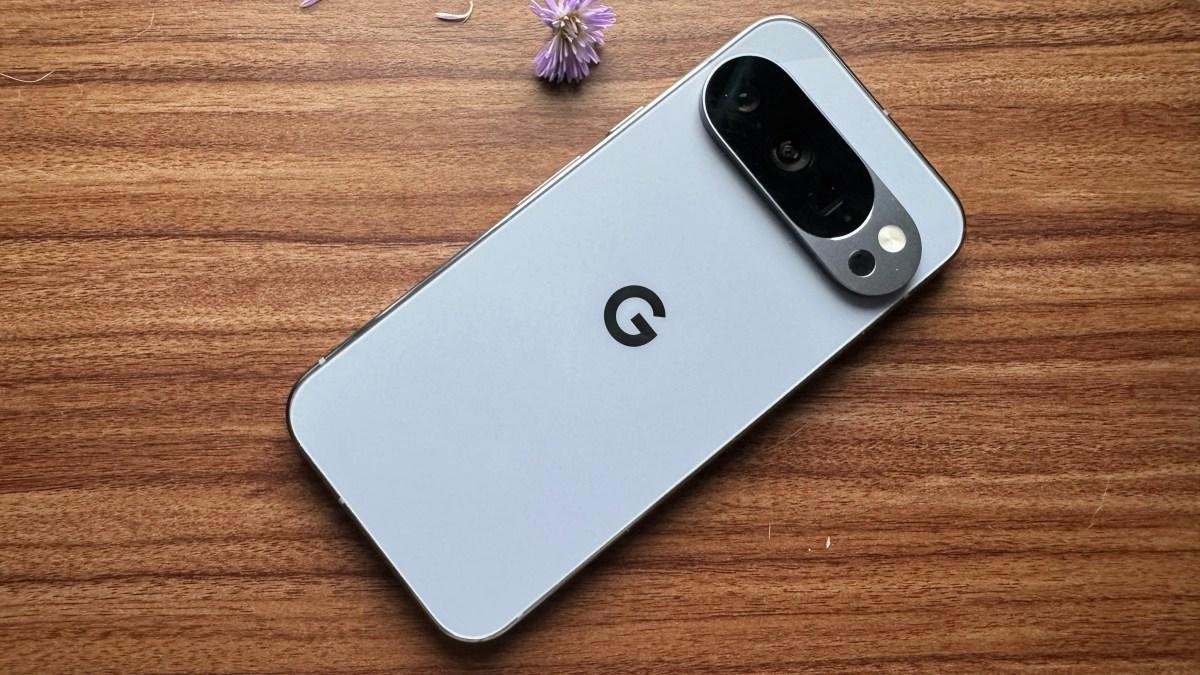
Google’s AI Studio now lets anyone build Android apps in minutes
The AI coding boom is now coming directly for Android app development. On Tuesday, Google announced new native Android app creation capabilities in its web-based Google AI Studio, shrinking a process that takes weeks of setup and coding down to minutes.
The company also said that consumers will be able to use Gemini AI to find the apps they need, both on the Play Store and the web, expanding opportunities for developers to have their apps discovered.
Google says the new capabilities could make sense for anyone from a seasoned developer looking to prototype a new app quickly to a first-time creator.
By offering the ability to essentially vibe-code Android apps via web-based tools, Google is ramping up the competition with other AI-powered development tools, like Cursor, Replit, Lovable, Claude Code, and others, while also opening up Android development to a new type of user: a non-technical creator. The news also represents an expansion of Google’s earlier addition of AI-powered coding with Gemini in its desktop version of Android Studio.
The apps are built with the Kotlin programming language using Google’s Jetpack Compose toolkit and with support integration with hardware sensors like GPS, Bluetooth, and NFC, the company says. However, the resulting creations, for now, are only meant to be used personally, as publishing for family and friends is still on the roadmap.
The company suggests the technology could be used for the creation of personal utilities and simple social apps, hardware-enabled experiences, or AI-powered experiences.
For now, would-be app developers can use the embedded Android Emulator directly in a web browser to preview and interact with the app as it’s being built. Users can then install the app on their Android phone over a USB cable connected to their computer, using the integrated Android Debug Bridge (adb).
For those looking to take their project further, AI Studio can automatically create the app record, package the bundle, and upload it to an internal testing track in Google Play Console for developers. This allows users to continue to iterate on their app while updating on their devices along the way.
Those who want to take the next steps to publishing the app more publicly can hand off this version of the project to Android Studio by downloading a zip file and exporting it directly to GitHub. In time, Google plans to allow creators to publish their apps for use by family and friends and will add support for Firebase integrations (Firestore, Firebase Auth, Firebase App Check, and other tooling).
In doing so, the company is imagining an Android app ecosystem where users find apps from among their own network of friends, not just the Play Store.
However, for the latter, Google is infusing AI into the experience here, too.
A new “Ask Play” AI-powered overlay will allow users to discover new apps by having natural conversations with AI within the Play Store.

Perhaps more importantly, apps will begin to be surfaced with users’ conversations with Google’s Gemini virtual assistant, exposing developers’ apps to millions of users. This will roll out in the weeks ahead across Gemini on the web and on Android. Later this year, Gemini will also surface over 450,000 movies and TV shows, plus where to livestream sports, which can directly link users from their queries to a developer’s Android app with the content in question.

While Google previewed a number of Android-related announcements last week, it held back on sharing the news of the native Android app development until Tuesday’s start of its annual developer conference, Google I/O. That suggests the company believes this is bigger news and more closely tied to its idea of putting AI to real-world use, as was the larger theme of this year’s event, where AI was spread across Google products, from workspace productivity apps to AI tools, search, mobile apps, and more.
When you purchase through links in our articles, we may earn a small commission. This doesn’t affect our editorial independence.
Sarah has worked as a reporter for TechCrunch since August 2011. She joined the company after having previously spent over three years at ReadWriteWeb. Prior to her work as a reporter, Sarah worked in I.T. across a number of industries, including banking, retail and software.
You can contact or verify outreach from Sarah by emailing sarahp@techcrunch.com or via encrypted message at sarahperez.01 on Signal.
Commandité
Annonces
Annonces
Annonces
Catégories
Lire la suite
5 things I already love from the iOS 27 betaiOS 27 has only been out for a few hours, and I’ve been messing around with the developer beta on my iPhone 16 Pro. I was most interested in trying out the new Siri AI, but unfortunately, I’m still on Apple’s waitlist for that. In the meantime, I’ve been poking around a bunch of features that aren’t about AI and found a lot that I’m happy with — even...
The Asus Chromebook Plus CX34 is at one of its lowest pricesSheena Vasani writes about tech news, reviews gadgets, and helps readers save money by highlighting deals and product recommendations for The Verge.The Asus Chromebook Plus CX34 is a dependable laptop that doesn’t cost a fortune, despite being nearly three years old. It’s cheaper than usual right now, and you have a few options in the...

AI’s most important protocol is getting a little bit easier to use The Model Context Protocol (MCP) is one of the basic building blocks of AI interoperability, giving AI models a secure way to access external data sources and services. It’s the plumbing that lets a chatbot reach into your calendar, your database, or your internal tools, instead of engineers building custom pipes for every...

I Used to Tell People to Skip Wi-Fi 7 Routers. CNET's Lab Testing Changed My MindEditor’s Note: On March 25, 2026, the Federal Communications Commission issued a notice that the sale of new foreign-made routers will be banned going forward. Virtually every Wi-Fi router available for purchase in the US meets the FCC’s “foreign-made” criteria. All of the routers we recommend on our best list have...
Trump says world has 10 days to see if Iran strikes deal or US takes 'a step further'Bernd Debusmann JrWhite House reporter Getty ImagesTrump told the Board of Peace, Trump said that talks with Iran have been 'very good' but historically difficult. President Donald Trump says the world will find out "over the next, probably, ten days" whether the US will reach a deal with Iran or take military...