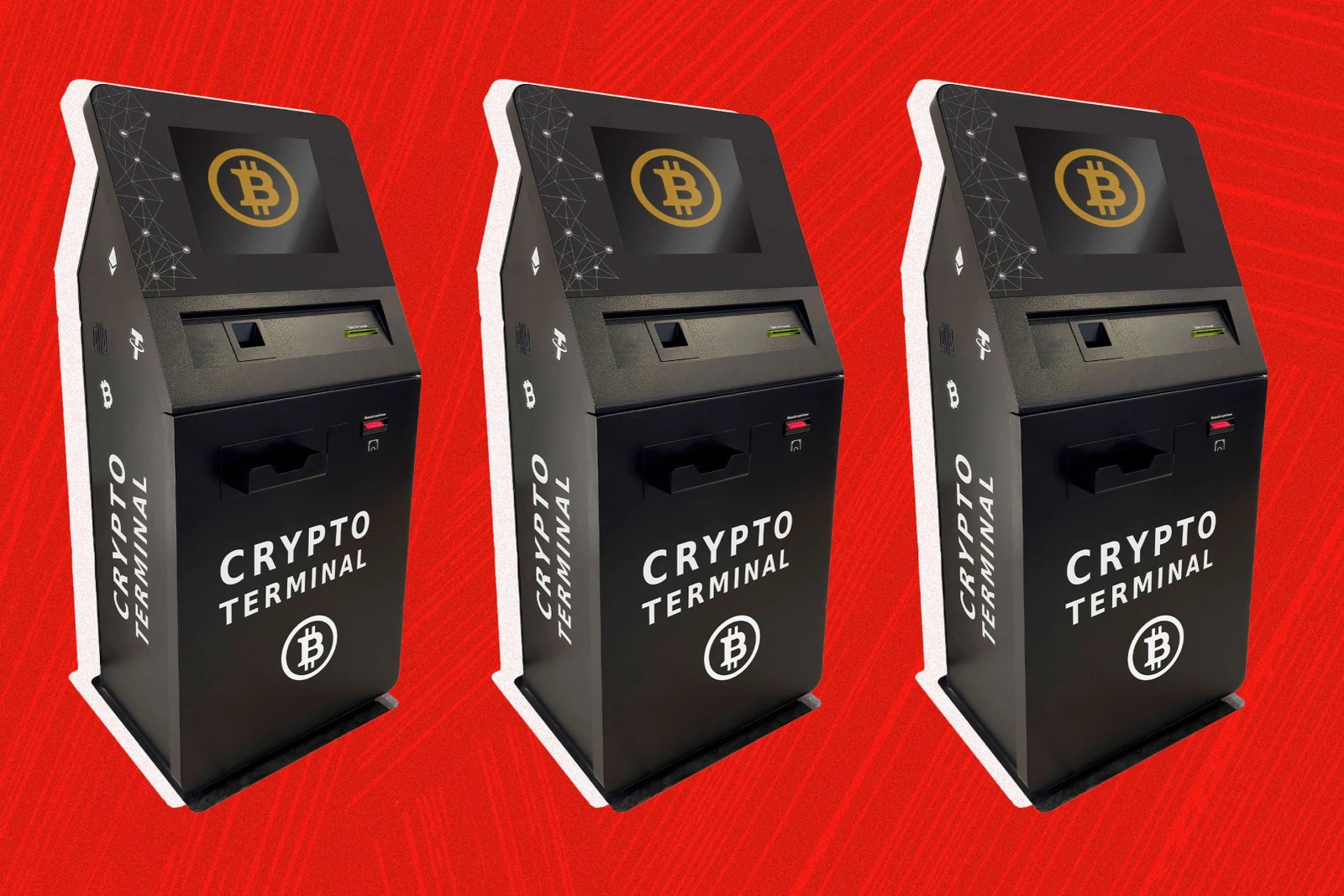
Cryptocurrency ATMs promised to bridge digital and real-world finance and to increase the adoption of tokens like bitcoin. Instead, what they delivered was fraud, bankruptcy and disappearing funds, according to lawmakers.
The anonymity afforded by bitcoin and other blockchain-based tokens appeals to privacy-minded consumers. This attribute also makes crypto a gold mine for fraudsters, though, and crypto ATMs play a starring role.
Must Read
Crypto ATMs are owned by private companies that provide the technology for a physical “on ramp” between fiat currency (aka regular money) and the blockchain. About 80% of the world's nearly 30,000 crypto ATMs are in the U.S. These physical kiosks are sometimes referred to as bitcoin ATMs, although some let users buy other tokens like ethereum or stablecoins. People use cash or a debit card to buy crypto at these machines, some of which also let users sell crypto held in a digital wallet and receive cash.
Many fraud victims don’t realize until it’s too late that crypto ATMs are fundamentally different from their bank-operated counterparts. Because they look like normal ATMs, people often assume they’re affiliated with mainstream financial institutions — and covered by the same regulatory structure that includes guardrails and consumer safeguards.
Crypto ATM scams are increasing
This can be a costly misassumption. The FBI reported a 58% year-over-year jump in crypto kiosk-related fraud losses; last year, Americans were swindled out of $388 million in these scams. Officials noted that seniors, who are less likely to be familiar with digital transactions, are often targeted by scams.
“Traditional bank transfers or credit card transactions have fraud prevention measures. These measures provide customer protection or financial institution safeguards to stop or reverse the transfer. That is not the case with bitcoin ATM transactions,” Michigan’s consumer protection department wrote in a 2025 report about crypto ATMs.
Bitcoin ATMs operate outside the conventional banking system, which makes them easier targets for manipulation. "Scammers manipulate victims into using these ATMs to transfer funds directly into the scammers’ crypto wallets," California's Department of Financial Protection and Innovation warned in a recent consumer briefing about crypto ATM scams. "Transactions cannot be reversed and are often difficult for consumers to trace."
Where People Are Investing Right Now
Crypto ATMs have also come under fire for high fees and a lack of transparency around those fees. Users may not realize that they’re paying more than 20% of their transaction amount in fees until after the transaction has been completed — and that money is gone. People seeking to trade crypto for legitimate purposes can do so more cost-effectively via a regulated exchange.
As a result, lawmakers have started cracking down.
States add consumer guardrails
Bitcoin Depot, which operated a network of 9,000 kiosks, filed for Chapter 11 bankruptcy on Monday. It was a sharp reversal of fortune for a company that was, at one point, the largest crypto ATM operator in North America. Although the Trump administration has been supportive of an expanding role for crypto in the financial system, the CEO of Bitcoin Depot blamed the company's failure on a hostile regulatory environment.
This stepped-up oversight is largely coming from states. So far, Indiana, Minnesota and Tennessee have banned crypto ATMs. Connecticut suspended Bitcoin Depot’s business license. A number of other states have implemented tighter regulations around crypto ATMs such as transaction caps.
Missouri Attorney General Catherine Hanaway called crypto ATMs “the new getaway cars for fraud” when announcing a lawsuit against another kiosk operator, CoinFlip, this week. (CoinFlip disputed the charges.)
Other states have advised residents about the high risk of scams around crypto ATMs. “The money sent through Bitcoin ATMs is nearly impossible to recover. This fact makes them an attractive option for criminals engaged in fraud and money laundering,” Michigan regulators warned in last year's report. “They allow scammers to steal money quickly and anonymously.”