Why adding adult children as joint owners can create more problems than it solves

Why adding adult children as joint owners can create more problems than it solves

Article content
Recently, I learned that a grandmother had sold her home and put $1 million into a joint account with her three adult children. When one of her children unexpectedly predeceased her, that child’s own adult children were effectively cut out of their expected share of the inheritance from the joint account. Because the account was structured as a joint tenancy with rights of survivorship rather than as tenants in common, the deceased child’s legal interest passed automatically to the surviving joint owners instead of flowing through the estate. The adult grandchildren no longer speak to the aunt and uncle they were once extremely close to.

THIS CONTENT IS RESERVED FOR SUBSCRIBERS ONLY
Subscribe now to read the latest news in your city and across Canada.
- Exclusive articles from Barbara Shecter, Joe O'Connor, Gabriel Friedman, and others.
- Daily content from Financial Times, the world's leading global business publication.
- Unlimited online access to read articles from Financial Post, National Post and 15 news sites across Canada with one account.
- National Post ePaper, an electronic replica of the print edition to view on any device, share and comment on.
- Daily puzzles, including the New York Times Crossword.
SUBSCRIBE TO UNLOCK MORE ARTICLES
Subscribe now to read the latest news in your city and across Canada.
- Exclusive articles from Barbara Shecter, Joe O'Connor, Gabriel Friedman and others.
- Daily content from Financial Times, the world's leading global business publication.
- Unlimited online access to read articles from Financial Post, National Post and 15 news sites across Canada with one account.
- National Post ePaper, an electronic replica of the print edition to view on any device, share and comment on.
- Daily puzzles, including the New York Times Crossword.
REGISTER / SIGN IN TO UNLOCK MORE ARTICLES
Create an account or sign in to continue with your reading experience.
- Access articles from across Canada with one account.
- Share your thoughts and join the conversation in the comments.
- Enjoy additional articles per month.
- Get email updates from your favourite authors.
THIS ARTICLE IS FREE TO READ REGISTER TO UNLOCK.
Create an account or sign in to continue with your reading experience.
- Access articles from across Canada with one account
- Share your thoughts and join the conversation in the comments
- Enjoy additional articles per month
- Get email updates from your favourite authors
Sign In or Create an Account
or
Article content
Article content
It is easy to understand how families end up in arrangements like this. A parent might want to avoid probate fees and the delay that can come with settling an estate. Or it might be about convenience, making day-to-day banking or administration easier as they get older. But what looks like a practical shortcut can carry unintended consequences that are easy to overlook.
Article content
Article content
By signing up you consent to receive the above newsletter from Postmedia Network Inc.
Article content
In the case of the grandmother and her three children, the outcome ultimately depended on both the structure of the account and evidence of her intentions.
Article content
This is just one example of how joint ownership, often intended as a simple estate-planning shortcut, can create serious tax, legal, and family consequences if not structured properly.
Article content
The risks of joint ownership
Article content
First, and often most consequentially, is that once a child becomes a true joint owner, they may also have a say in future decisions involving the asset. If the parent later wants to sell, refinance or renew a mortgage, the child may need to be involved in that decision. What appears to offer convenience can lead to a loss of control, particularly if disagreements arise or family circumstances change over time.
Article content
Article content
Another often overlooked risk is how the child’s personal circumstances can affect the asset. If the child faces marital breakdown, creditor claims or legal proceedings, their ownership interest or even the perception of ownership can complicate matters and potentially expose the asset to claims or litigation.
Article content
Article content
The extent of that exposure will often depend on the true beneficial ownership arrangement and the applicable provincial family and creditor laws. In a divorce, jointly owned property can affect how net family property is valued and how assets are divided, depending on the applicable provincial rules and any prenuptial agreements in place. Because these rules vary by jurisdiction, families should seek professional advice on how joint ownership and family law apply to their situation.
Article content
Tax consequences can also follow. Some parents assume that adding a child to the title of their principal residence will have no tax impact. However, if the child has a true beneficial ownership interest and does not ordinarily inhabit the property, part of the future gain attributable to the child’s interest may not qualify for the principal residence exemption. In addition, while joint ownership may avoid probate in some cases, it does not necessarily avoid the deemed disposition and potential income tax consequences that can arise on death.
Patrocinado
Patrocinado
Patrocinado
Patrocinado
Anúncios
Categorias
Leia mais
Mali attacks: France urges citizens to leave and warns against travelAFP via Getty ImagesExplosions and gunfire were reported in the capital, Bamako (pictured above) last weekendFrance has urged its citizens to leave Mali "as soon as possible", after a weekend of co-ordinated attacks by separatist fighters and Islamist militants.In an update on Wednesday, the advice also warned French citizens...

2 days left: Lock in the best discounts for TechCrunch Disrupt 2026 Image Credits:Noam Galai / Getty Images 7:00 AM PST · February 26, 2026 Super Early Bird pricing ends tomorrow, February 27, at 11:59 p.m. PT. After that, prices for TechCrunch Disrupt 2026 go up. Miss this, and you’ll be paying more for the same access to one of the most anticipated tech...

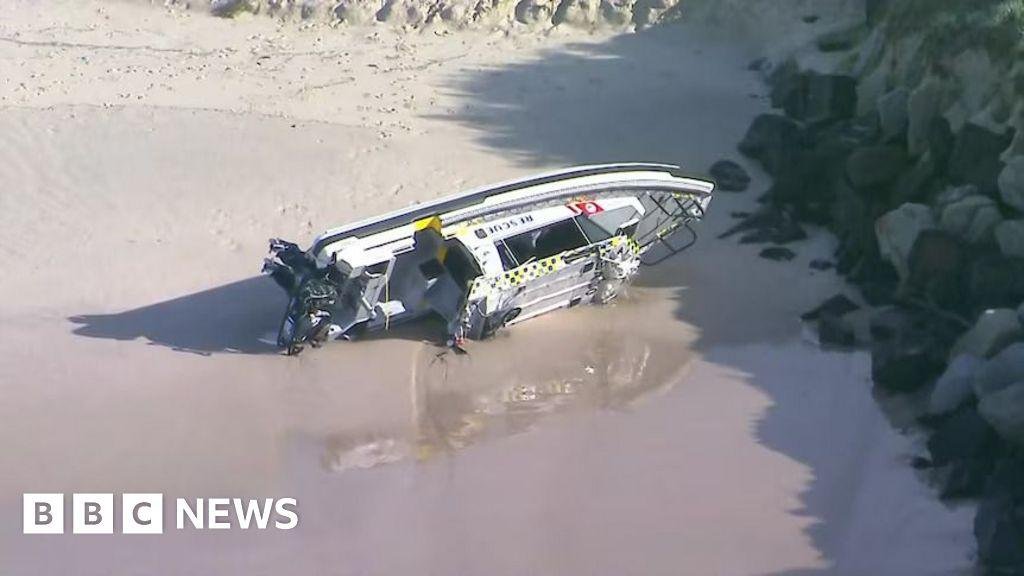
Ballina: Rescuers among three dead after yacht sinks off Australian coastAustralian Broadcasting CorporationThe Marine Rescue NSW boat which flipped in the water en route to a yacht rescueThree people have died, including two volunteer rescuers, after a yacht sank and a rescue boat rolled in choppy conditions off Australia's New South Wales (NSW) coast.Emergency services were called at 18:15...
First female archbishop of Canterbury highlights progress and ongoing challenges Archbishop of Canterbury Dame Sarah Mullally is welcomed to the National Shrine of Saint Jude in Faversham, England while making her 87 mile pilgrimage from London to Canterbury Cathedral....

Softness and Brightness Blend to Stunning Effect in TCL's Nxtpaper AMOLED Phone DisplayI've always been impressed with TCL's easy-to-read Nxtpaper technology. Sitting somewhere between E Ink and a more traditional screen with built-in anti-glare tech, there's a softness both to the look and feel of a Nxtpaper display that makes it a real pleasure to use.But if I were asked whether I'd be happy...