

With Apple's long-promised Siri makeover, Siri AI will work across more apps and devices. I'm not thrilled about it.
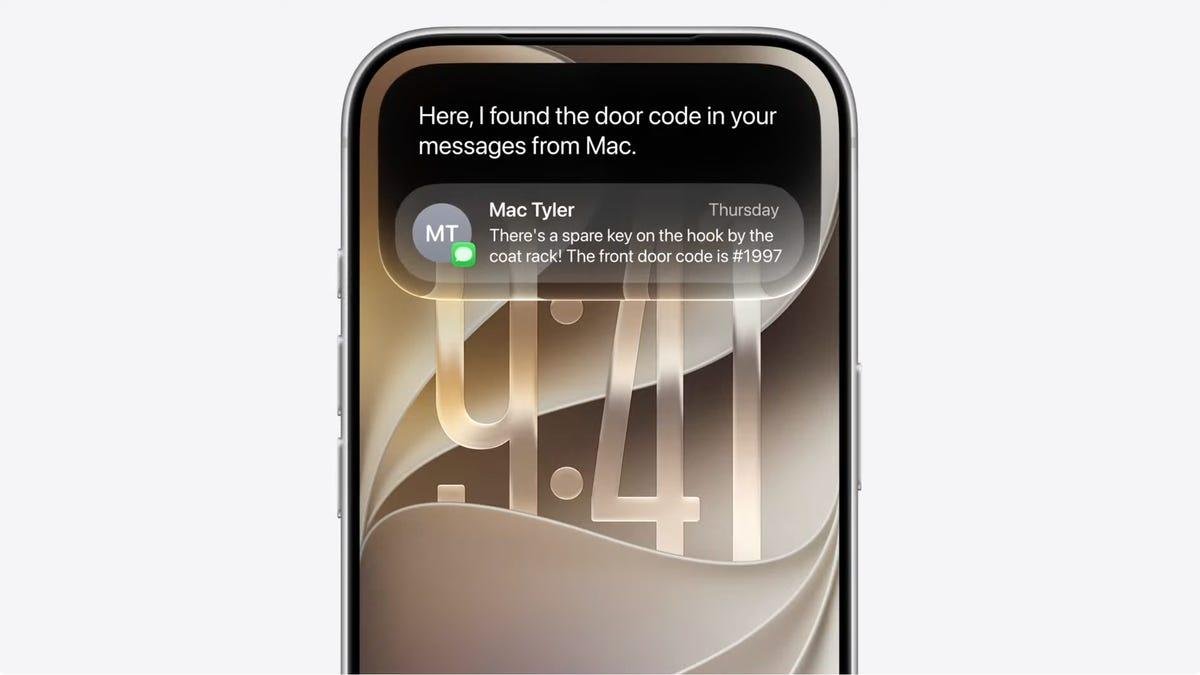
At its WWDC 2026 developer conference on Monday, Apple made its new Siri the focus. You'll be able to summon Siri to find out about concert tickets and set a reminder to buy them. You can ask Siri about a landmark displayed on your screen that your friend sent you, and see if the friend lives nearby without scrolling through weeks of messages. Siri AI can even sign in and change your passwords for eligible accounts on your behalf -- which sounds to me like handing over a little too much control.
Read more: Apple AI Just Got a Huge Overhaul at WWDC 2026. Here's the Lowdown
Siri already has access to some apps using your voice, but it's never been able to handle multi-step tasks without your help. Soon, Siri will be able to dig through your messages, photos, browser and other apps to complete various tasks. It'll understand what's on your screen and take actions based on that information. As Apple demonstrated during its keynote, you could use Siri to plan a World Cup party, pull up a dessert someone mentioned in your Messages, and make a menu, all before sending an invite to your friends with all the details. Siri AI will work across Apple devices and operating systems like your iPhone, MacBook, iPad and Apple Watch.
Maybe that sounds convenient, but do you really want Siri to have access to all of your apps and devices?
As an avid Apple user, I can't say I want any more AI integrations. Trusting Apple Intelligence to handle a task from beginning to end without any intervention can feel like a gamble. It raises questions about who's responsible for misinformation or errors. And what if hackers get access to an app, despite Apple's privacy guarantees?
I use Siri for simple tasks, like getting directions, sending my ETA to a friend, turning on a morning alarm or playing a song from Spotify. But that's about it. I'm OK with it handling certain tasks, like scheduling calendar invites, writing notes and creating party invitations to send to my friends. They're quick, and I feel comfortable knowing they're done exactly the way I want them. Plus, completing some of those tasks builds connections with the activities and people I love.
Giving Siri AI the power to handle my tasks may mean less screen time and more quality time with my family. But it doesn't offer the guarantee of knowing tasks are done completely and in the way I'd like. It also disconnects me from the small details that matter -- like stumbling across my son's graduation picture while scrolling through weeks of messages from my husband to find out what snack we agreed on for movie night.
Every AI chatbot cautions about errors. These models are known to make things up, mix things up or fail to follow directions. Doing tasks myself instead of blindly trusting Siri AI gives me peace of mind knowing it's done to my satisfaction. And despite Apple's privacy and security measures, I'm not too comfortable with letting Siri AI comb through personal messages about where to pick up my son.
Watch this: Everything Apple Unveiled at WWDC 2026
We love Apple, not AI
Many US adults are still skeptical of using AI for certain tasks. A March NBC poll found AI was one of the least-liked things in America. And a CNET survey last year found that only 12% of US Apple users who are looking to upgrade their smartphones would be motivated by better AI integrations.
Yet tech giants are still forcing AI features onto us through built-in features that are hard or impossible to opt out of. Often, hardware and software updates are so deeply intertwined that it's hard to avoid tapping into these AI-charged capabilities. The AI-supercharged Siri was certainly the focus of this year's WWDC, with most other non-AI software updates on the back burner.
I can't say I'm eager to try Siri AI, and I'll likely opt out of some settings to keep my data as guarded as possible. I don't feel comfortable giving Siri full access to my calendar, location, emails and contacts to handle tasks without my oversight. I might not move as quickly as a bot, but I'll have more peace of mind.