Marketing disguised as helpful government benefits doesn't help in the long run
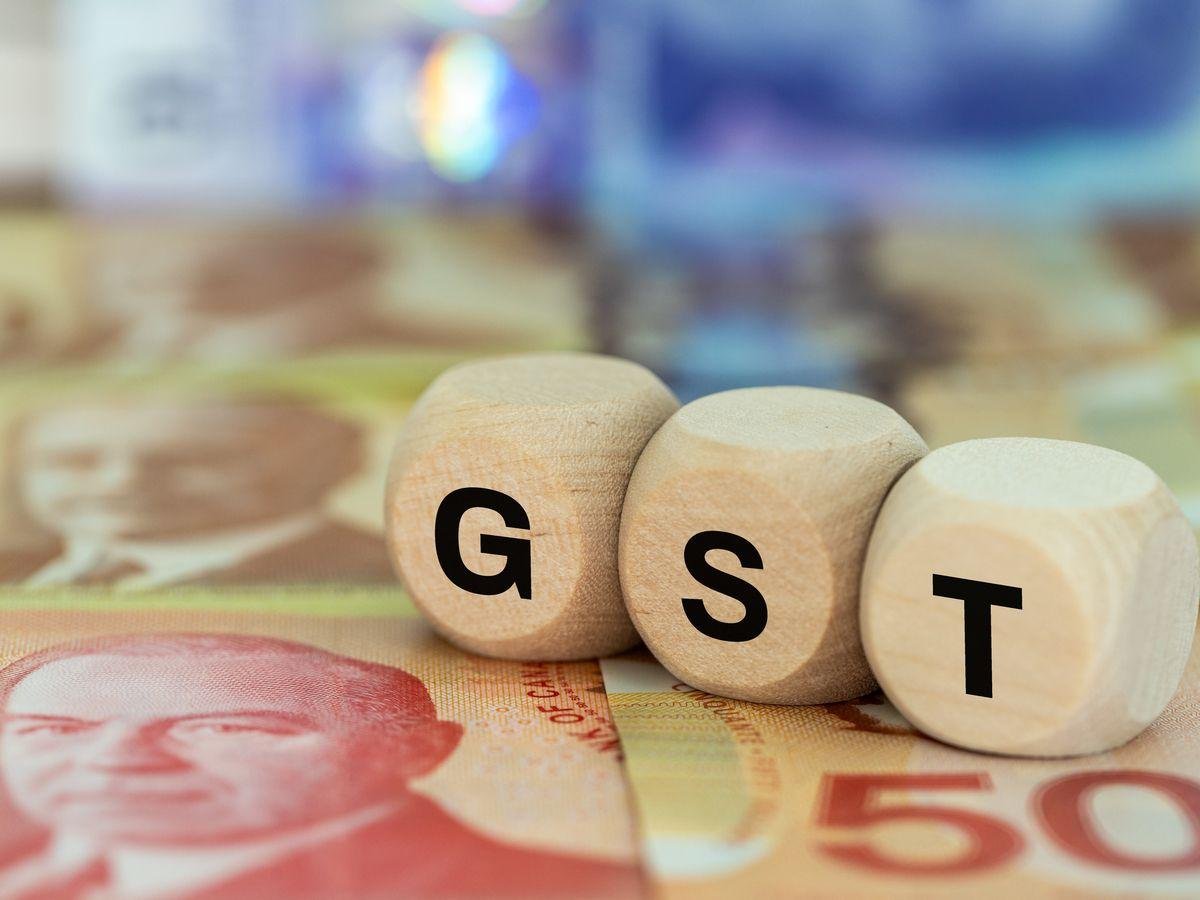
Marketing disguised as helpful government benefits doesn't help in the long run

Article content
My sister and I recently took my 82-year-old French mom to Northern France for a two-week vacation. We booked several short-term rental accommodations, all of which were excellent with one exception. That unit turned out to be a three-storey property with a narrow, steep spiral staircase that was genuinely dangerous, particularly for her.

THIS CONTENT IS RESERVED FOR SUBSCRIBERS ONLY
Subscribe now to read the latest news in your city and across Canada.
- Exclusive articles from Barbara Shecter, Joe O'Connor, Gabriel Friedman, and others.
- Daily content from Financial Times, the world's leading global business publication.
- Unlimited online access to read articles from Financial Post, National Post and 15 news sites across Canada with one account.
- National Post ePaper, an electronic replica of the print edition to view on any device, share and comment on.
- Daily puzzles, including the New York Times Crossword.
SUBSCRIBE TO UNLOCK MORE ARTICLES
Subscribe now to read the latest news in your city and across Canada.
- Exclusive articles from Barbara Shecter, Joe O'Connor, Gabriel Friedman and others.
- Daily content from Financial Times, the world's leading global business publication.
- Unlimited online access to read articles from Financial Post, National Post and 15 news sites across Canada with one account.
- National Post ePaper, an electronic replica of the print edition to view on any device, share and comment on.
- Daily puzzles, including the New York Times Crossword.
REGISTER / SIGN IN TO UNLOCK MORE ARTICLES
Create an account or sign in to continue with your reading experience.
- Access articles from across Canada with one account.
- Share your thoughts and join the conversation in the comments.
- Enjoy additional articles per month.
- Get email updates from your favourite authors.
THIS ARTICLE IS FREE TO READ REGISTER TO UNLOCK.
Create an account or sign in to continue with your reading experience.
- Access articles from across Canada with one account
- Share your thoughts and join the conversation in the comments
- Enjoy additional articles per month
- Get email updates from your favourite authors
Sign In or Create an Account
or
Article content
I was irritated and went back to the listing. Not one review, photograph or description line mentioned it. The property had been deliberately misrepresented and we had no recourse once we were standing at the bottom of that staircase with our luggage.
Article content
Article content
Article content
Governments do this too, but with considerably higher stakes than a missed staircase.
Article content
By signing up you consent to receive the above newsletter from Postmedia Network Inc.
Article content
Politicians who cannot defend a tax policy on its merits create a marketing name. The label is designed not to inform, but to disarm: to make the financially illiterate feel reassured and the financially literate hesitant to object. It is one of the more cynical features of modern fiscal governance, and it is accelerating.
Article content
For nearly a decade, the Justin Trudeau government insisted that Canada’s carbon tax was not a tax, but rather a price on pollution. The distinction was entirely rhetorical.
Article content
A government charge that is compulsory, reduces disposable income, and raises consumer prices qualifies as a tax. Calling it a price on pollution was a marketing decision, not an economic one, and one designed to neutralize opposition by borrowing the language of environmental responsibility. It worked well enough on the politically sympathetic. It fooled nobody who actually read the legislation.
Article content
More recently, the federal government rebranded the GST credit — a long-standing, well-designed offset to a regressive consumption tax introduced by the Brian Mulroney government in 1991 — as the Canada groceries and essentials benefit.
Article content
Article content
This was not the first time Ottawa had reached for the GST credit’s plumbing to manufacture good news. Since 2020, it has done so four times: a special payment that doubled the credit during COVID-19, a six-month doubling in 2022 under the Making Life More Affordable banner, a grocery rebate in 2023 that was simply a second cheque equal to double the January credit, and now the 2026 top-up tied to renaming the credit itself.
Article content
Article content
Each was mechanically the same GST credit adjustment, but with changed marketing. Of course, the government can’t help but brag about it. Yep, redistributing after-tax payments of extracted funds as a gift is a neat trick.
Article content
The tax branding arms race is not limited to Canada. In January, the incoming Dutch government announced what it called a freedom tax — a surcharge on personal income and corporate taxes designed to generate approximately five billion euros annually to fund a dramatic expansion of defence spending toward North Atlantic Treaty Organization targets. The name is almost admirably brazen. A tax increase has been repackaged as a patriotic contribution to liberty.
Προωθημένο
Προωθημένο
Προωθημένο
Προωθημένο
Διαφημίσεις
Κατηγορίες
Διαβάζω περισσότερα
If you're looking for dependable office software without ongoing fees, there's a great deal available right now. You can purchase a lifetime license for Microsoft Office 2024 Home & Business for either Mac or PC for just $89.97. This means you pay once and have access to essential tools like Word, Excel, and PowerPoint for as long as you need them. This offer is perfect for anyone who wants to...

OpenAI may announce a ChatGPT smart speaker this yearOpenAI’s first device is set to be a smart speaker that lets you talk with ChatGPT, according to a report from Bloomberg. The device apparently won’t have a screen, but will use a camera and additional sensors to “understand” your environment.The report comes just days after Apple filed a lawsuit against OpenAI that accused the AI company of...

Anthropic Reins In Subscribers' Unlimited AI Use for OpenClawAnthropic over the weekend told subscribers they'd have to pay up for heavy use of its Claude AI models to power third-party agents like OpenClaw. Users with monthly subscriptions can still use Claude models, including Opus, Sonnet and Haiku, through these third-party agents. But you'll have to pay via Anthropic's API or use a...

Needless to say, Dark and Darker now has lots of momentum. It's no longer like Ironmace can rush the game's release, however. Even a beta release would require a good sized quantity of labor. Instead, it is trying to keep the cadence of Dark And Darker Gold unfastened alpha exams. As the preceding alpha check ended, Ironmace showed plans to bring back the alpha in February 2023. Dark and...

X Targets Paid Creators Who Don't Label AI-Generated War ContentOver the weekend, the US and Israel launched air strikes against Iran after tensions escalated over nuclear and regional activities, and Iran responded with missile and drone attacks across the region. Unsurprisingly, the attacks have unleashed a torrent of responses from social media content creators. But in this age of artificial...