With the World Cup looming, there’s still no clear replacement for sports Twitter
With the World Cup looming, there’s still no clear replacement for sports Twitter
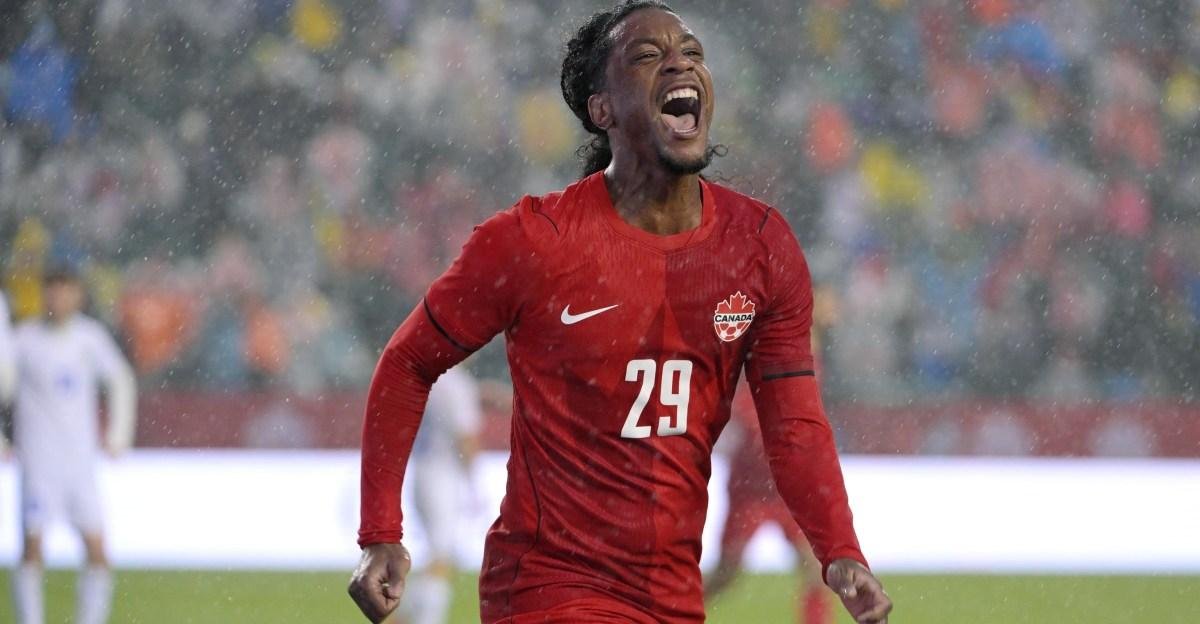
Three years ago, when the women’s World Cup kicked off in Australia and New Zealand, my social feeds were in a strange place. Twitter had just transformed into X, newcomer Threads was seemingly ascendant, and places like Bluesky had yet to garner much momentum. It left me with an odd, and admittedly silly, dilemma: I had nowhere good to post dumb jokes during games. And now, as the next World Cup is set to begin across Canada, the US, and Mexico, not much has changed.
There were a lot of problems with Twitter even when it was at its most popular, but it also introduced a new kind of live experience for many. Its real-time nature and huge audience of nerds from different communities turned live events, from a World Cup to E3, into a feed of commentary, jokes, and highlights that served as a perfect second-screen experience. It turned solitary experiences into something more communal and was something that had become so ingrained that I didn’t think about it much until it was gone. That happened around 2023, when Twitter, now X, became so toxic that many users, myself included, decided to jump ship.
In a lot of ways, including personal ones, that was a good thing. I certainly could do with one less app trying to suck up all of my attention. But Twitter did serve some valuable functions, both as a news source and as a community-building experience. And the exodus of users has fractured things such that there’s really no service that does what Twitter did at its peak. Some of the sports community remains on X, but the platform keeps getting worse. In theory, Threads is a viable alternative, with its seemingly huge user base boosted by integration with Instagram. But it never really feels alive, particularly in the moment, due largely to its algorithmic feed that keeps you from seeing the latest thing in favor of whatever thing Threads wants to show you.
I had high hopes for Bluesky. Back in 2024, myself and other Twitter expats watched Netflix’s Jake Paul vs. Mike Tyson “fight” with a kind of nihilistic glee, and the fledgling social network was up to the task. A ridiculous spectacle was turned into something even more entertaining as jokes and screenshots flooded Bluesky in real-time. It felt bustling in the same way that Twitter used to. But in the intervening years, I’ve seen that happen again only sparingly, and rarely during sporting events. Bluesky was fairly alive during Summer Game Fest and the Zelda-powered Nintendo Direct.

NurPhoto via Getty Images
But my feed has largely been a ghost town when it comes to large-scale sports. And it’s not like there hasn’t been the opportunity: In recent weeks, there’s been finals for the NBA, Stanley Cup, and Champions League. There was some noise last night when OG Anunoby scored a miraculous game winner for the Knicks, but outside of that and some gags about how tall Victor Wembanyama is, these events haven’t made much of a dent in my feed.
The response in the lead-up to the World Cup, meanwhile, has been particularly muted. There’s a good reason for this beyond shifting platform dynamics: The vibes around this World Cup have been rancid. The tournament is run by an openly corrupt organization, and most of the matches are being held in a country that seems intent on using the event as a sportswashing exercise meant to distract from brutal immigration policies, high-level corruption, and plenty more. It’s not that I haven’t seen any information about the World Cup on Bluesky, but it’s primarily been headlines about a veteran Somali ref unable to get into the US, or the Iranian team being forced to fly in and out of the country on every match day, or absurdly expensive ticket prices leading to worrying attendance figures.
All that said, the vibes have been pretty terrible in the lead-up to most recent World Cup tournaments, dating back to Russia in 2018, and there was still plenty of excitement come game days. One thrilling match can overshadow a lot of bad. Being a modern sports fan involves some level of cognitive dissonance; I love the game itself, and the way it brings together a global community, but am loath to support most of the institutions that benefit from events like the World Cup. It’s an uneasy balance, where I’m cognizant of just how terrible FIFA is, but will still be watching when Canada takes the field.
I also know I’m not alone in that. The World Cup is the biggest sporting event on the planet, one that only happens every four years, ensuring hype is at a fever pitch by the time the tournament starts. The 2026 edition is filled with compelling storylines — it’s the last dance for legends like Lionel Messi and Cristiano Ronaldo, and the first shot at glory for the likes of Lamine Yamal — so plenty of people will be tuning in, especially with an expanded lineup of teams. The bad vibes aren’t enough to explain the relative silence.
Maybe the real answer is that Twitter circa 2018 was a flash in the pan, a kind of singular experience that won’t ever be replicated, particularly as the internet becomes more fractured and destabilized. Maybe that’s not such a bad thing. But as someone who spent years posting after seeing a highlight-reel goal as a reflex, I can’t help but miss it — watching the opening World Cup matches just won’t be the same.
Follow topics and authors from this story to see more like this in your personalized homepage feed and to receive email updates.
Sponsorizzato
Sponsorizzato
Sponsorizzato
Sponsorizzato
Pubblicità
Categorie
Leggi tutto
Netflix co-founder and chair Reed Hastings to leave board Reed Hastings, the co-founder and chairman of Netflix, is leaving the company’s board when his term expires this summer. Hastings is stepping aside to focus on “philanthropy and other pursuits,” the company said in a letter to shareholders. The departure was revealed in the company’s first-quarter earnings report published Thursday....
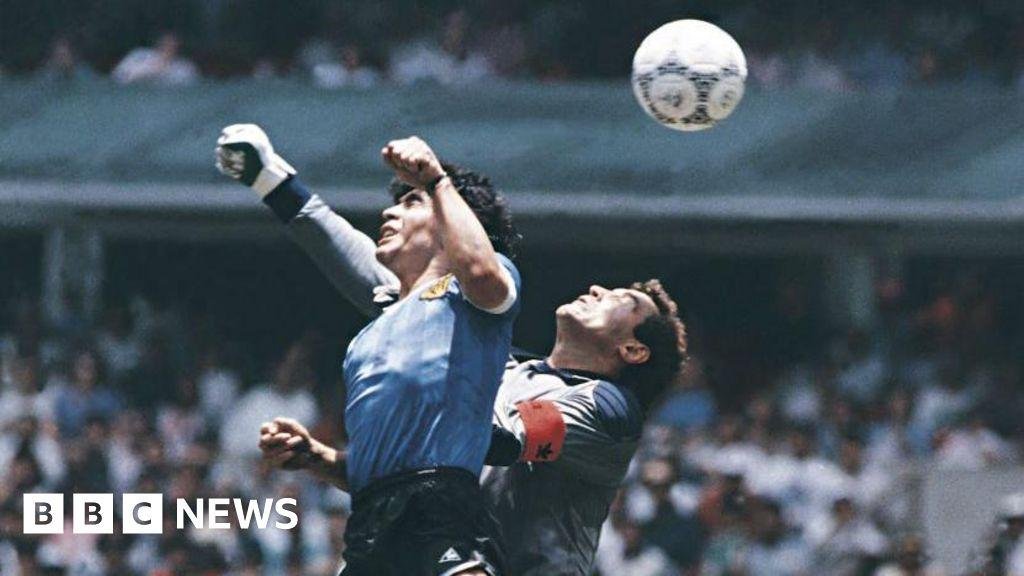
'I witnessed Maradona's Hand of God' - a goal still being talked about 40 years on16 hours agoLourdes HerediaBBC World Service Archivo El Grafico/Getty ImagesI wasn't supposed to be there.I was 17, I had never been to a football match and I wasn't interested in the sport. But that afternoon, walking into the Azteca Stadium in Mexico City, I was about to watch Argentina play England in a World...
YouTube's AI Is Ready to Customize Your ScrollingAI is coming for your YouTube feed algorithm, if you want it.The platform announced a new feature this week that can create a personalized feed based on a prompt describing your interests. In its announcement, YouTube suggests prompts like unwinding after work with 10-minute guided meditations or something different from your usual...
Feds demand autonomous vehicle companies stop interfering with first responders National Highway Traffic Safety Administration (NHTSA) Administrator Jonathan Morrison issued a directive Wednesday to autonomous vehicle (AV) developers, stating that it is unacceptable for their vehicles to interfere with first responders or law enforcement. Morrison noted in the letter that the agency has...
For items, throwing damage is the key to scaling your shurikens. You'll want to aim for Flat Throwing Damage on your rings, relics, and amulet. Adding these modifiers can drastically increase your damage output, with Last Epoch gold some players effectively doubling their shuriken damage just through proper itemization. One of the unique features of the build is that melee damage doesn't affect...