Qualcomm’s latest chip hints that more powerful smart glasses could be on the way

Qualcomm’s latest chip hints that more powerful smart glasses could be on the way

is a senior reporter and author of the Optimizer newsletter. She has more than 13 years of experience reporting on wearables, health tech, and more. Before coming to The Verge, she worked for Gizmodo and PC Magazine.
Smart glasses are still a nascent category, but chipmaker Qualcomm is hard at work upgrading the silicon to power the next wave of XR devices: the Snapdragon Reality Elite.
Although Qualcomm is announcing the chip today at Augmented World Expo, we’ve technically already gotten a hands-on with a device powered by the new chip at last month’s Google I/O: the forthcoming Aura glasses for Android XR. At the time, Xreal and Google were coy about the processor upgrades to the long-awaited spectacles. Turns out, it was the Reality Elite.
Spec-wise, the new chip focuses on across-the-board performance upgrades. The GPU gets a 60 percent bump, the CPU gets a 30 percent increase, and the NPU gets “up to 160 percent higher performance.” It supports 4.4K resolution at 90 frames per second per eye and less latency. Battery life has also been improved by up to 20 percent, and Qualcomm was able to improve cooling as well by boosting power efficiency. Supposedly, while handling heavy workloads, the Reality Elite will remain up to 12 degrees Celsius cooler than Qualcomm’s last-gen XR chips.
In other words, this chip ought to support better visuals for immersive XR experiences, more power to handle larger LLMs for AI features, and lighter, longer-lasting glasses. You know, all the technical problems currently plaguing the smart glasses space.
This — plus the Snapdragon Wear Elite chip that Qualcomm introduced back at Mobile World Congress in February — offers a few important clues about what we’re likely to see from wearable devices this fall and in 2027. (After all, as a components maker, Qualcomm is creating chips to meet the specific demands of partners like Meta and Google.) Both the Wear Elite and Reality Elite can be used to power smart glasses. The former is likely to be found in audio-only glasses, while the latter will likely be used for power-hungry display glasses with AI-centric features. Either way, the fact that Qualcomm boosted AI performance across both chips indicates gadget makers are gung-ho on stuffing more AI into glasses, smartwatches, fitness trackers, pins, and pendants. The battery and cooling improvements are also a tacit acknowledgement that many smart glasses with displays currently struggle with the tradeoffs between bulky or unwieldy designs and all-day battery life. The risk of overheating has also been a major problem for smart glasses makers when it comes to offering more advanced features. (Because no one wants a pair of glasses to burn their faces.) Provided the Snapdragon Reality Elite’s upgrades can deliver genuine improvements in this area, it might not be too long before we start seeing some more impressive AI wearables hit the market.
Follow topics and authors from this story to see more like this in your personalized homepage feed and to receive email updates.
Sponsorizzato
Sponsorizzato
Sponsorizzato
Sponsorizzato
Pubblicità
Categorie
Leggi tutto
Ukraine: At least two dead as gunman opens fire in KyivAt least two dead as gunman opens fire and takes hostages in KyivReutersThe incident happened in Kyiv's Holosiivskyi districtTwo people have been killed and others injured as a person opened fire in Kyiv, the Ukrainian capital's Mayor Vitali Klitschko has said. The incident happened in the southern Holosiivskyi district, Kyiv's police force...

Trump’s AI framework targets state laws, shifts child safety burden to parents The Trump administration on Friday laid out a legislative framework for a singular policy for AI in the United States. The framework would centralize power in Washington by preempting state AI laws, potentially undercutting the recent surge of efforts from states to regulate the use and development of the...

Ghana's anti-LGBTQ+ bill to be inspected before approval, president says2 hours agoThomas NaadiBBC Africa, AccraAnadolu via Getty ImagesGhanaian President John Mahama's comments came during a visit to the UKGhana's new bill criminalising LGBTQ+ activities will undergo scrutiny before it is officially approved, the president has said.Speaking during a visit to the UK, John Mahama said his legal...

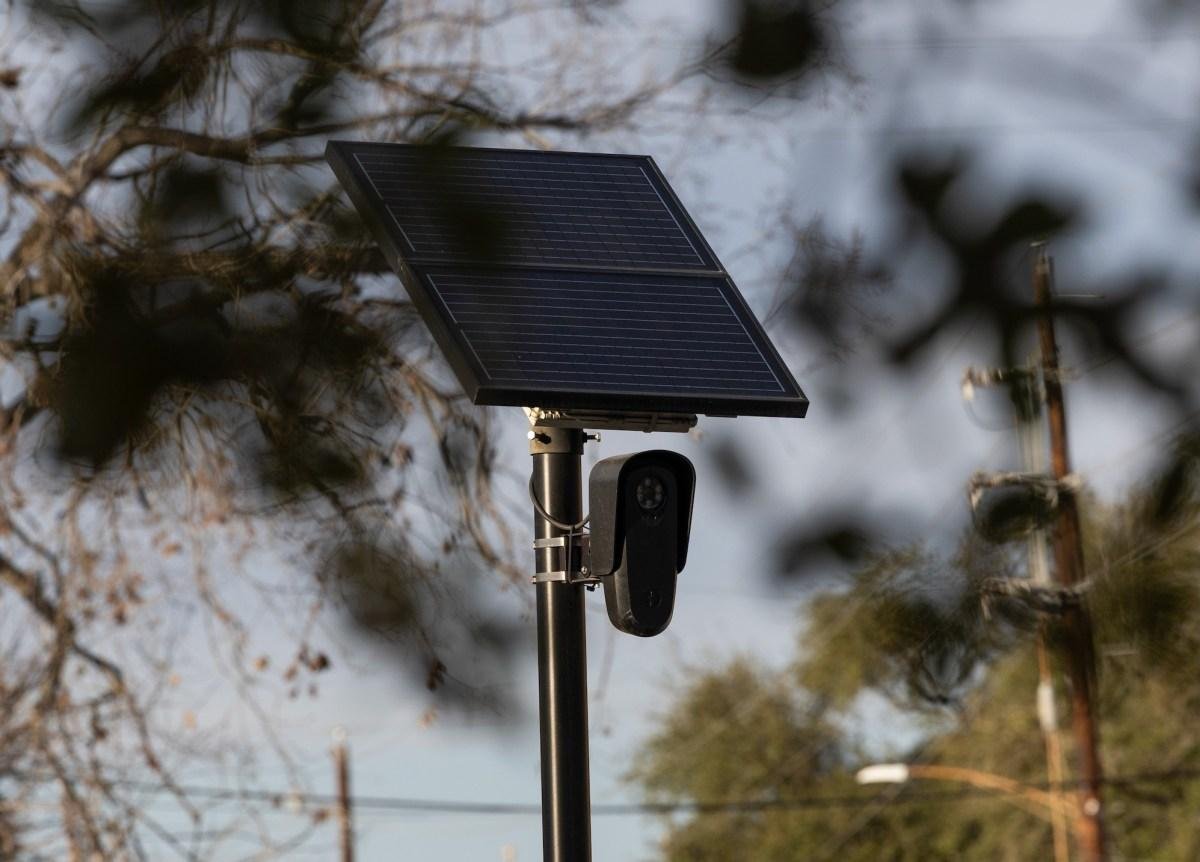
Americans are destroying Flock surveillance cameras Image Credits:Antranik Tavitian / Bloomberg / Getty Images 10:49 AM PST · February 23, 2026 Brian Merchant, writing for Blood in the Machine, reports that people across the United States are dismantling and destroying Flock surveillance cameras, amid rising public anger that the license plate readers aid U.S....
S Korean crypto firm accidentally pays out $40bn in bitcoinReutersA South Korean cryptocurrency exchange accidentally gave away more than $40bn (£32bn) worth of bitcoin to customers, briefly making them multi-millionaires.It had planned to give customers a small cash reward of 2,000 won - $1,37 - but instead gave them 2,000 bitcoins on Friday.The platform, Bithumb, apologised for the error,...