I'm in therapy for my 14-hour-a-day phone addiction and I'm determined to beat it
How addicted are we to our phones? Some of us are going to rehab
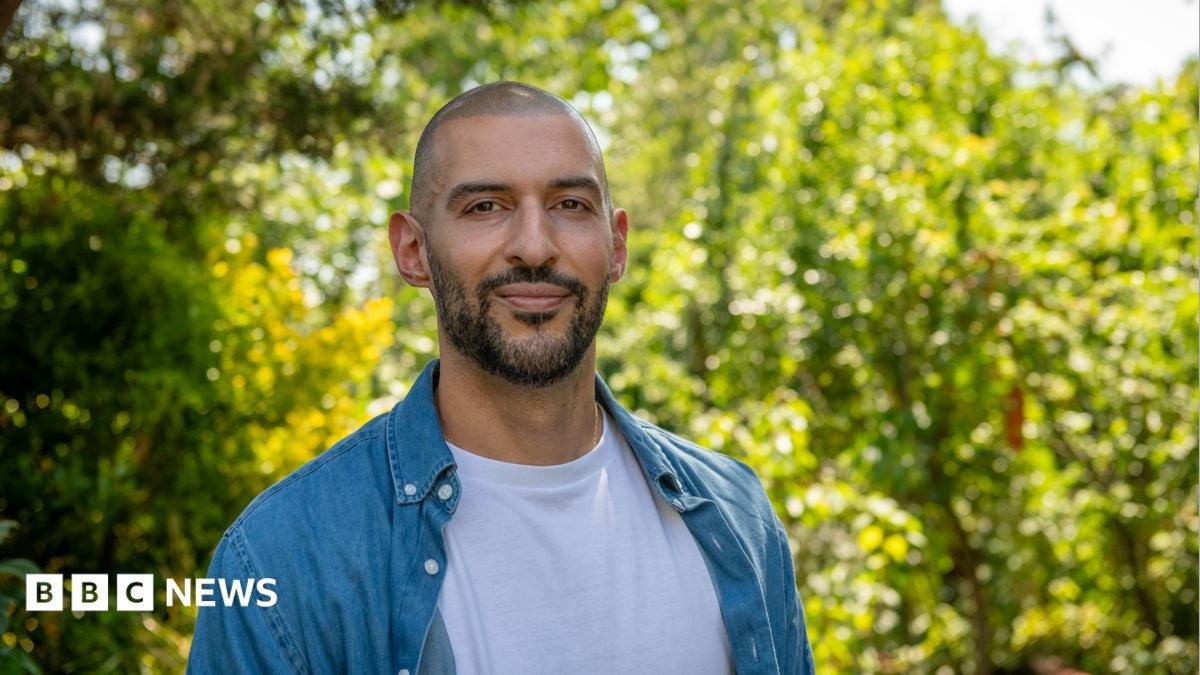
Marios's phone pings and lights up. He's just received a WhatsApp message from me asking for an initial chat about this story.
He wants to answer straightaway. The urge, he later tells me, feels overpowering.
However, he's currently in the middle of a therapy session about his phone addiction. He can't answer it now.
He holds his nerve. But as soon as the meeting finishes, he's back on his phone and an hour later, we meet on a video call.
"I'm so sorry," I say. "The last thing I wanted to do was disturb your session."
"Don't worry," Marios sighs. "This is the feeling I've had for many years: this uncontrollable need to be on my phone.
"It's like carrying around your own drug dealer.
"My drug is always in my pocket, flashing, beeping me and reminding me to take a dose."
Phone addiction does not yet exist as an official condition, but in a recent survey of 1,000 adults by Deloitte,, external 70% of respondents said they spent too much time on their phones. As a growing number of academics warn that smartphones are changing our brain chemistry, experts in addiction have told me they are seeing more clients completely dependent on their devices.
Last year, one in three clients treated for drug dependency by UK Addiction Treatment Centres (UKAT), which supports 3,500 people a year, also had a secondary phone dependency. That's up from just one in 10 in 2019.
Some clients even back out of treatment for their primary addiction because they refuse to surrender their device when they enter the clinic, says UKAT.
But when does someone tip over from being an overkeen texter to needing professional help?
As I drive up the tree-lined driveway to Rainford Hall, I'm greeted by huge stained-glass windows dating back to Jacobean times, overlooking manicured gardens.
It's an unlikely venue for treating people with a digital addiction.
This Steps Together rehab centre in St Helens, Merseyside, also hosts people struggling with other addictions (including drugs, alcohol and gambling) but its therapists are seeing an increasing number of people who cannot switch off from their devices.
"It can affect anyone from any background," lead therapist Kelly Watson explains. "We all have phones, we all have similar brain circuitry, and so many of us can become addicted."
Part of our brains work on a reward system, she says. We get a message, a like on social media, or even read some new information on a website and then dopamine (a chemical messenger in the brain that regulates pleasure and motivation) is released.
Eventually, for some of us, the need for this hit becomes too much. It can take over, causing hours - or even days - of our lives to disappear into the online world, she explains.
James, who is being treated at another Steps Together centre in Leicester, knows how that feels.
The 48-year-old initially sought help for alcohol addiction but it soon became clear his digital dependency was also out of control.
After James lost his job, his day became consumed with scrolling on social media, checking news websites and obsessing about what was happening in different parts of the world.
If he posted anything on social media, he would be awake in the middle of the night checking for likes and comments. He tells me it felt like the digital world was holding him hostage.
But any enjoyment of using his phone was gone. "I would be dreading it," James recalls. "It felt like bit of my soul had been sucked out of me, but I couldn't stop."
Watson says when clients first come to Rainford Hall, they are worried, confused and don't want to let go of their phones.
"They say: 'But I need it for work, I need it for keeping in touch with family.'
"I can hear the fear in their voice. It's their safe place."
Many spend at least 28 days at the residential centre, receiving group and one-to-one therapy for the issues driving their addiction, while being helped to slowly break their dependency.
Watson works with them to gradually reduce their screen time and discover what thoughts and feelings appear when they are not on their device.
"That's often the issue – life can be too much, by scrolling on their phone they can disassociate from the real world."
Away from the luxury of Rainford Hall, people across the world are coming together to support each other with digital addiction.
In 2017, several people concerned about their tech and internet use banded together to create Internet and Technology Addicts Anonymous (ITAA), a global fellowship inspired by Alcoholics Anonymous (AA).
Jenny is one of their members. At the height of her phone addiction, she would not sleep for days. She would barely eat or drink, her dependency was so strong.
"I would lose chunks of my life," explains the 30-year-old, who doesn't want the BBC to use her real name.
She didn't care what popped up on her screen - a film, a series, a short video - as long as she was watching something.
"I did not realise how I addicted I was until I was in withdrawal and I had to ask friends and family to keep my devices under lock and key," Jenny recalls.
"It was so bad, I thought I am going to die if I don't watch something."
If she relapsed, she would resort to taking or "borrowing without permission" a laptop or a smartphone from her family.
But then the guilt and shame would kick in, and she would want to stream more content to block out the feelings.
After years of "searching for help", she came across ITAA and followed their 12 steps. She is now in recovery and has not streamed or watched anything for five years.
Jenny says she feels comfortable with having a basic phone, and going online for her job. "I'm now in control," she says.
Another ITAA member, Tom, says his addiction led him to dark places. He could lose whole months of his life to his phone and other screens.
"I would binge for 10 hours straight – I could be listening to music, watching something on YouTube, scrolling through social media and playing a video game – all at the same time.
"Then I would go for a two-hour walk, and binge again. This could go on for months."
Tom's addiction was so overpowering that it led to him losing his business and his sense of purpose in life.
"I became suicidal," he says.
"I am starting to get real joy in life again. I play lots of pickle ball, I get outside and I go to the gym."
Hilda Burke, a psychotherapist accredited by the British Association of Counselling and Psychotherapy (BACP), recently wrote a support book called the Phone Addiction Workbook after seeing an increasing number of clients coming to her with a digital dependency.
If you are worried you are spending too much time on your screen, she recommends analysing your own behaviour and reflecting on what might be behind it.
"Ask yourself questions like: 'What was going on that day? Was I waiting for someone to message back?"
Often, it's waiting for a response to a message that causes our initial discomfort, Burke explains. This then triggers us to use our phone as a distraction.
"Instead of going online, maybe do something else to distract you. Call a friend, go for a run, read a book.
"And try not to feel any guilt or shame - instead, think about how you could manage it next time."
Phone companies have also introduced features which help people track their screen time and restrict access to certain apps in an attempt to counteract the addictive loop many of us get caught in.
Back in north London, Marios is hopeful that his course of therapy can help him crack his phone dependency. He is also on the way to becoming fluent in Spanish - thanks to various apps on his phone.
"It's not all bad," he says.
But a second later, he reaches for his phone, on impulse. As soon as he touches it, he appears to remember his resolve. He jabs the phone, defiantly.
"Every day, I set myself an intention to not be on it as much and it is making a difference," Marios says. "And every day, I am slowly beginning to enjoy things again. It can be done, I'm sure."
Sponsored
Ads
Ads
Ads
Categories
Read More
Today's NYT Strands Hints, Answers and Help for June 16 #835Looking for the most recent Strands answer? Click here for our daily Strands hints, as well as our daily answers and hints for The New York Times Mini Crossword, Wordle, Connections and Connections: Sports Edition puzzles. Today's NYT Strands puzzle was a bit challenging, but the answers were fun. Some of them are...
The Champagne Market is expanding as luxury lifestyle trends, brand innovation, and changing consumer preferences continue to influence premium beverage consumption. Champagne has maintained its reputation as a symbol of celebration, sophistication, and exclusivity. Increasing consumer interest in premium experiences and high-quality beverages is encouraging producers to develop new strategies...

The global Alcopop Market is projected to witness steady growth over the coming decade as consumers increasingly gravitate toward convenient, flavored ready-to-drink (RTD) alcoholic beverages. According to FactMR, the market is expected to grow from USD 18.2 billion in 2025 to approximately USD 24.6 billion by 2035, reflecting an absolute increase of USD 6.4...
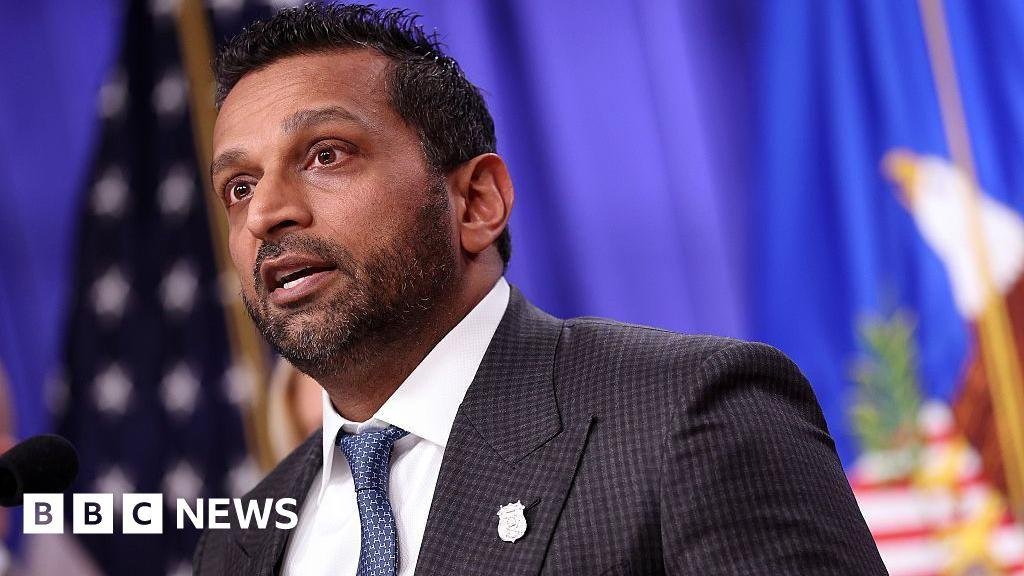
Iran-backed hackers breach FBI director Kash Patel's emailsGetty ImagesFBI Director Kash Patel's personal email account has been hacked by an Iran-linked group, the agency has confirmed.A group, known as the Handala Hack Team, shared Patel's purported resume and photos of him on its website on Friday along with a statement that says: "This is just our beginning.""If your director can be...
Putin says Russia will bolster air defenses in response to Ukrainian drone attacks Russian President Vladimir Putin, center, looks at President of Xinhua News Agency Fu Hua, right, while speaking to representatives of international news agencies as General Director of the Russian news...