Former Iran nuclear deal negotiator on what U.S.-Iran 'new normal' looks like
Former Iran nuclear deal negotiator on what U.S.-Iran 'new normal' looks like

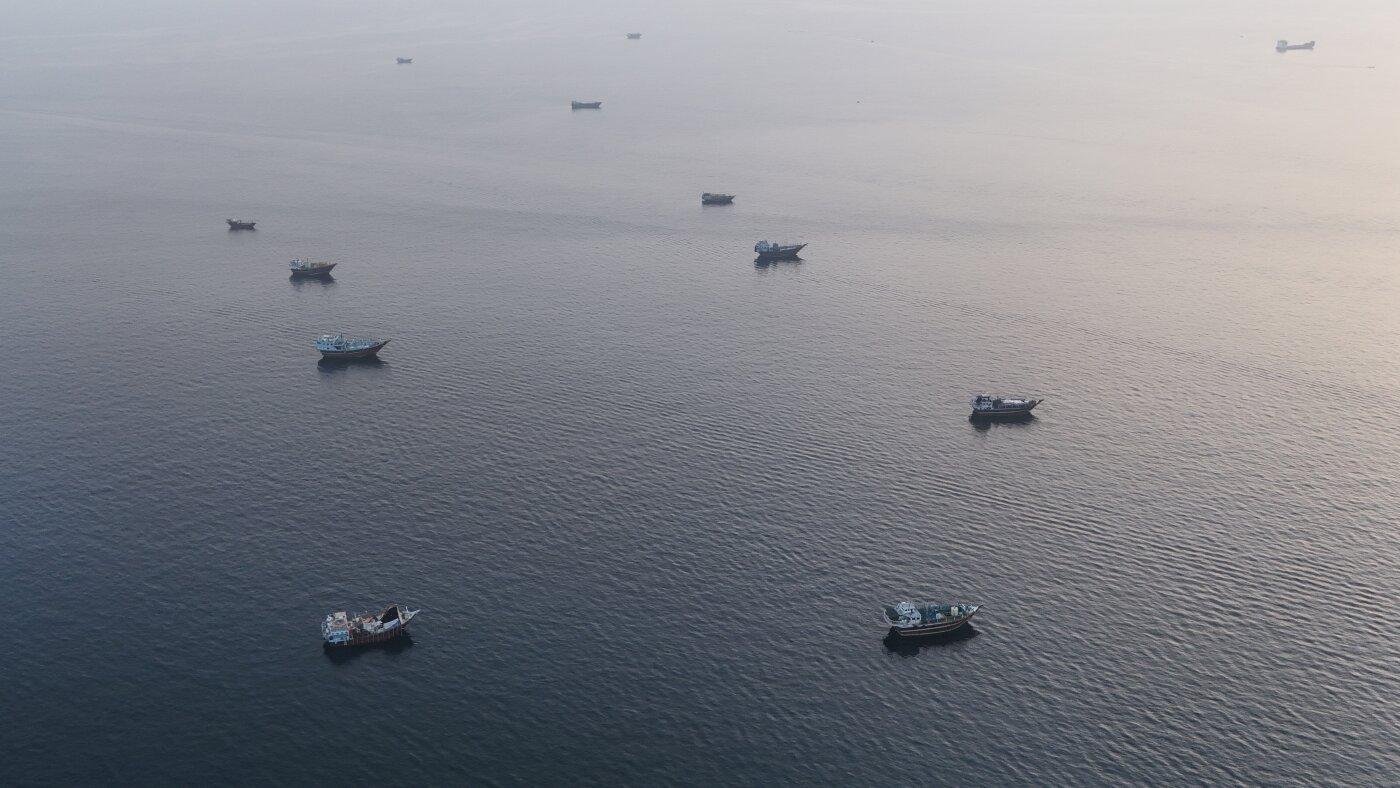
This aerial photograph shows boats anchored off Oman's northern Musandam Peninsula near the Strait of Hormuz on June 27. Iran launched attacks on U.S. sites in the Gulf in response to American strikes on the country, state media said June 27, after Washington accused Tehran of attacking a U.S. cargo ship in the Strait of Hormuz. AFP/Via Getty Images hide caption
toggle caption
AFP/Via Getty Images
The United States and Iran spent another weekend testing a ceasefire that has rarely looked like one, trading airstrikes and warnings even as negotiations over a broader agreement continue.
A senior U.S. official, who spoke on condition of anonymity to discuss sensitive negotiations, told NPR that "nothing has been canceled" and talks are on track for the coming days. The Associated Press reported that Pakistan, a key mediator, says talks will resume Tuesday.
Jake Sullivan, who served as President Joe Biden's national security adviser and helped negotiate the 2015 Iran nuclear deal, said on NPR's Morning Edition that both Washington and Tehran have incentives to keep diplomacy on track and avoid a return to full-scale war.
"I think we will see these flare-ups, and then we will see de-escalation and a return to the table. I think that is the new normal," Sullivan said.
He said Iran stands to gain sanctions relief and access to tens of billions of dollars in frozen assets, while the United States wants to avoid "having to restart a war that doesn't seem to have an end."
Sullivan also discussed how the Strait of Hormuz agreement shifted leverage to Iran and why Gulf states could strike their own deals with Tehran, leaving the United States with less influence.
Listen to the full interview by clicking on the blue play button above. The digital version was written by Majd Al-Waheidi.
Προωθημένο
Διαφημίσεις
Διαφημίσεις
Διαφημίσεις
Κατηγορίες
Διαβάζω περισσότερα
Segment Analysis: Organic Nature and Strawberry Flavor Dominate Fruit Jams Jellies Preserve Market
A detailed segment analysis of the Fruit Jams Jellies Preserve Market reveals clear leaders across nature, flavor, form, packaging, and distribution channels, offering valuable insights for manufacturers and investors. The market is comprehensively segmented, with organic products currently dominating while conventional options show the fastest growth. According to Fruit Jams...
'Marshals' Release Schedule: When Episode 5 Hits Paramount Plus
'Marshals' Release Schedule: When Episode 5 Hits Paramount PlusMarshals, a new Yellowstone spinoff starring Luke Grimes as Kayce Dutton, is airing on CBS right now. You can also tune in with Paramount Plus. The Yellowstone sequel series sees Grimes as a former Navy SEAL who joins an elite unit of US Marshals to bring range justice to Montana, according to a synopsis...

Rsorder OSRS Bossing Progression Guide: From Early Game to Endgame Mastery
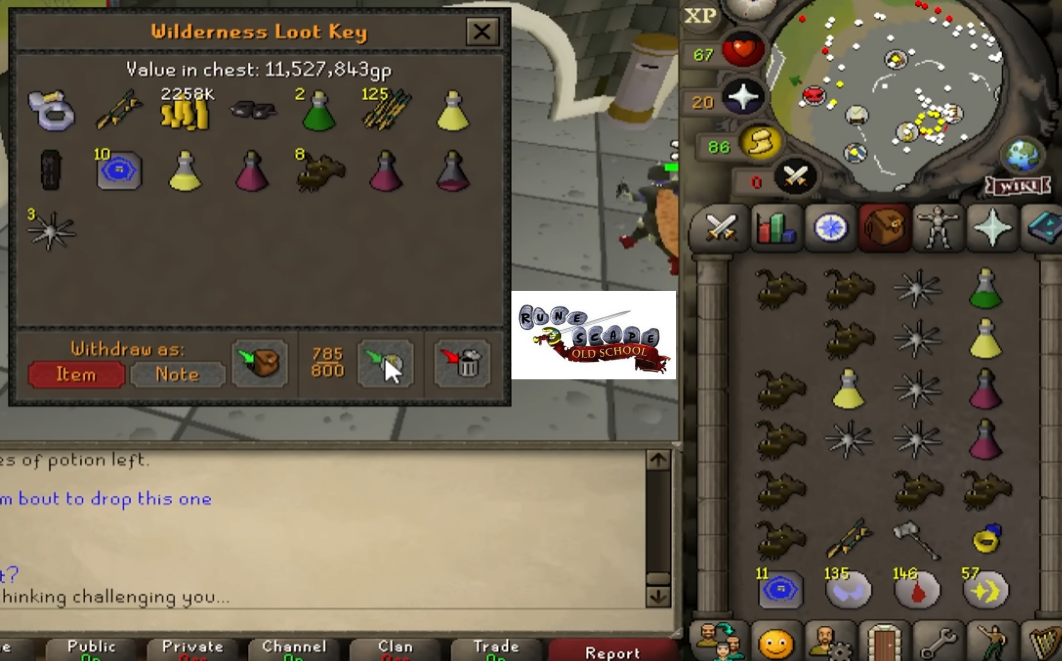
Progressing through bossing in Old School RuneScape can feel overwhelming, especially when community rankings blur the line between mechanical difficulty and gear requirements. Instead of ordering bosses purely by complexity, this guide with RS gold presents a structured PvM pathway-from early game exposure to true endgame mastery-focused on skill acquisition, account progression, and practical...
IPL Cricket 2026 Livestream: How to Watch the Indian Premier League From Anywhere
IPL Cricket 2026 Livestream: How to Watch the Indian Premier League From Anywhere Why You Can Trust CNET Our expert, award-winning staff selects the products we cover and rigorously researches and tests our top picks. If you buy through our links, we may get a commission. Reviews ethics statement Can the Royal Challengers Bengaluru claim back-to-back titles? Kevin Lynch is...
Never Post’s Mike Rugnetta on the creative process and the value of reliable power
Never Post’s Mike Rugnetta on the creative process and the value of reliable powerMike Rugnetta is a writer, podcast host, producer, audio engineer, educator, musician, sound designer, and father. In short, the man wears a lot of hats. He’s the cocreator and host of the award-winning Never Post, an absolutely must-listen podcast about the internet, as well as Fun City, a TTRPG podcast where...