Best Threads for Machine Embroidery: Expert Guide for Every Project
Introduction
You have the perfect design, a high-quality machine, and the ideal fabric. You hit start, and the thread breaks. Or the colors look dull. Or the embroidery feels stiff and uncomfortable against the skin. I have been there, and it is incredibly frustrating. The problem is not your machine or your design. It is your thread. Choosing the right thread is one of the most important decisions you will make in embroidery, and it is one that many people get wrong. Best Threads For Machine Embroidery are not just about color. They are about material, weight, and how they interact with your specific project.
Let me walk you through everything you need to know to choose the perfect thread for every project.
Polyester vs. Rayon: The Big Debate
The embroidery world basically splits into two camps when it comes to thread material: polyester and rayon. Each has its own strengths and ideal applications. Understanding the difference is the first step to choosing the right thread.
Polyester Thread: The Durable Workhorse
Polyester thread is becoming increasingly popular because of its ability to withstand demanding washing and dry cleaning standards. It offers excellent tensile strength, abrasion resistance, and colour fastness. The strong fibers hold up well to fast running speeds and commercial laundering.
Polyester is the thread of choice for items that will be heavily laundered, like sports uniforms, workwear, and children's clothing. It is also highly resistant to chemicals like bleach, making it ideal for towels and other items that may be exposed to harsh cleaning agents. The trilobal polyester threads have a glossy finish that can closely resemble rayon.
However, polyester is heat-sensitive and can melt when exposed to high temperatures, so it is not a good choice for chefs' aprons or firefighter gear.
Rayon Thread: The Lustrous Artist
Rayon thread is prized for its vibrant colors and glossy finish. It is made from 100% cellulose, which starts as wood pulp, making it a semi-synthetic, eco-friendly option. Rayon is softer and more flexible than polyester, making it ideal for delicate fabrics, children's clothing, and intricate designs.
The silky sheen of rayon adds a beautiful, multidimensional look to embroidery, creating shimmer effects and depth. It lies regularly on all types of fabric and causes low friction and no residues. Many artistic embroiderers prefer rayon because of its soft, pliable nature and excellent hand.
However, rayon is more delicate than polyester. It is prone to breakage and has poor abrasion resistance and colour fastness to bleach.
Which One Should You Choose?
The answer depends on your project.
Choose polyester if you are embroidering uniforms, workwear, children's clothing, towels, or any item that will be heavily laundered or exposed to harsh chemicals. Its strength and durability make it the most reliable choice for these applications.
Choose rayon if you are embroidering fashion garments, home decor, or delicate fabrics where a soft feel and high sheen are the priorities. It is also a great choice for intricate designs and monograms where the thread needs to be flexible and lie smoothly.
Understanding Thread Weight
Thread weight refers to the thickness of the thread. It is represented by a numerical value: the larger the number, the thinner the thread; the smaller the number, the thicker the thread.
The Standard: 40 Weight
Most embroidery designs are created for standard 40-weight thread. This weight is versatile and works well for almost every type of embroidery. It is typically digitized with a density of 0.4mm and uses a 75/11 needle. The vast majority of designs you purchase online or have digitized will be optimized for 40-weight thread.
Fine Threads: 60 and 75 Weight
These thinner threads are ideal for intricate detailing and very small lettering. A 60-weight thread allows you to create clear letters down to 3mm in size. A 75-weight thread can produce letters as small as 2.5mm. These threads are also used for filigree work and attaching sequins.
When using thinner threads, you may need to adjust your digitizing to a slightly lower density and use a smaller needle, like a 65/9 or 70/10.
Thick Threads: 30 and 12 Weight
Heavier weight threads can add a unique, hand-embroidered look to your designs. A 30-weight thread is approximately 50% thicker than 40-weight and can be used to save on stitches when filling in larger areas. A 12-weight thread is the thickest available and is used for fancy outline stitches, special effects, and decorative work.
Using thicker threads requires significant adjustments to digitizing, with lower densities needed to prevent puckering. You will also need a larger needle, such as an 80/12 for 30-weight and a 100/16 for 12-weight.
Specialty Threads: Adding Flair and Function
Beyond the standard polyester and rayon, specialty threads can add sparkle, texture, and even safety features to your embroidery.
-
Metallic Threads add eye-catching shine and sparkle to designs. They require slower speeds, a larger needle, and sometimes a thread lubrication unit to prevent breakage. Use a size 90 SUK or Metafil needle with a large eye to be gentle on the thread.
-
Matte Threads offer a non-shiny finish that can give a more realistic look to designs, especially for outdoor applications where light-fastness is important.
-
Flame-Resistant Thread is made from 100% Aramid (Nomex) fibers for use on safety gear for motorsports, utility services, and aeronautics.
-
Glow-in-the-Dark Thread is a novelty thread that glows green in the dark after being exposed to bright light. It is great for children's clothing and costumes but is not intended for safety purposes.
Bobbin Thread: The Unsung Hero
Bobbin thread is usually thinner than top thread and is designed to be nearly invisible on the back of the embroidery. For most applications, you can use a standard bobbin thread in white or black. However, for transparent fabrics and freestanding lace, you should use embroidery thread in the color of the top thread so the reverse side looks just as beautiful.
Tips for Successful Thread Use
Here are a few final tips to ensure success with any thread.
Always test your thread on a scrap of the same fabric before starting your final project. Different threads and fabrics require slightly different settings for speed and tension.
Use a fresh, high-quality needle. The needle eye wears out during use, so replace it if you start experiencing thread breaks. The right needle size is also crucial. Use a 75/11 for standard 40-weight thread, a 65/9 for 60-weight, and larger sizes for thicker threads.
When using metallic threads, reduce your speed, decrease the density of the design if necessary, and consider using a thread lubrication unit.
Conclusion
Selecting the best thread for your embroidery project is about understanding the trade-offs between material and weight. Polyester offers unbeatable durability and resistance to chemicals, making it the clear choice for items that will face heavy wear and frequent washing. Rayon provides a superior sheen and softness that is unmatched for decorative and artistic work.
By understanding thread weight, you can choose fine threads for intricate details and thicker threads for bold, textured statements. And with specialty threads, you can add flair, function, and even safety features to your creations. Remember, the best thread is the one that matches the demands of your specific project, from the fabric to the final use of the embroidered item.
Sponsor
Zoekertjes
Zoekertjes
Zoekertjes
Categorieën
Read More
ChatGPT Launches a Version of Its Model for Teens OpenAI announced Tuesday that it’s launching a version of ChatGPT intended for teenagers, amid concerns about how younger people interact with generative AI tools. Users between the ages of 13 and 17 will automatically use the teen-specific version, which will feature parental controls, stronger safeguards and notifications prompting...
Boxy forms and odd lights: US declassifies more UFO filesThe US government released a fourth tranche of records regarding Unidentified Anomalous Phenomena (UAPs), marking the latest step in an effort to declassify government files on UFOs. US Defense Secretary Pete Hegseth said that the long-classified files have historically fuelled "justified speculation," saying that the American people have...
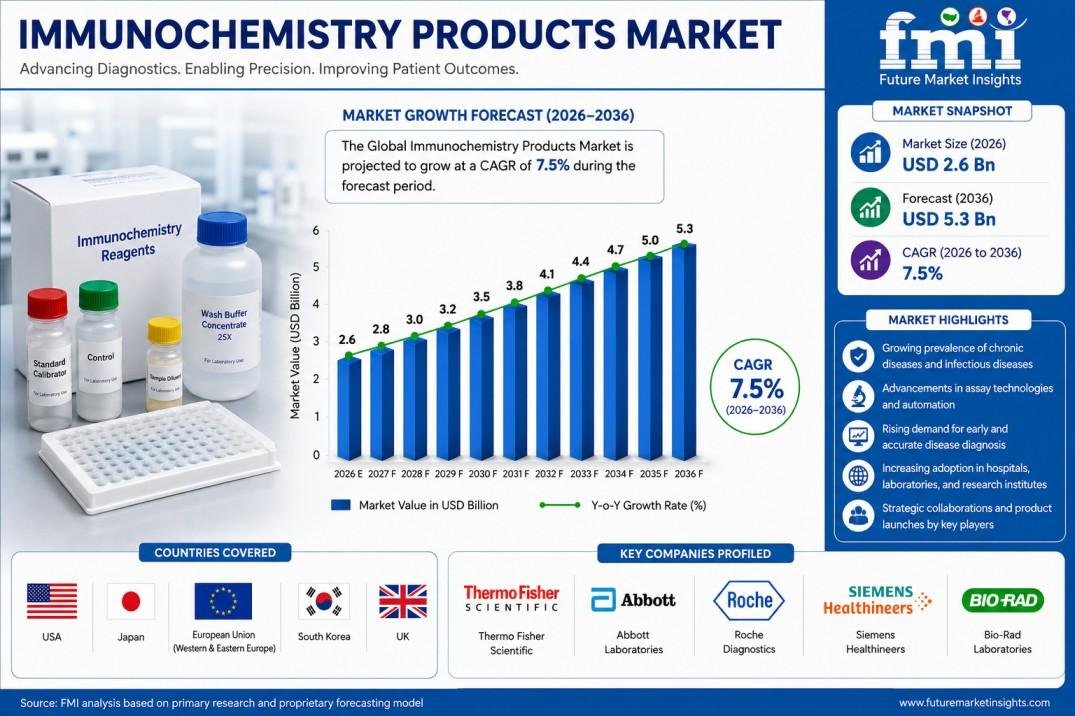
The global Immunochemistry Products Market is poised for steady growth as healthcare providers increasingly invest in advanced diagnostic technologies to improve disease detection, laboratory efficiency, and clinical decision-making. According to Future Market Insights (FMI), the market is projected to grow from USD 2.6 billion in 2026 to USD 5.3 billion by 2036, registering a 7.5% CAGR during...
Class 10 is often the first real academic milestone in a student's life. It is the year when board exams stop being a general idea and become a very real, very close deadline. For students appearing in 2027, the pressure to perform well is compounded by rising competition, unpredictable question patterns, and the constant temptation of distractions like social media and gaming. A...

NCERT: Image of nude 'dancing girl' sculpture restored in Indian textbook after backlashNCERTThe Dancing Girl is a bronze figurine discovered in Mohenjo-daro dating back to 2600 BCEThe "covered-up" image of a nude artefact has been withdrawn from an Indian school textbook after it sparked a massive backlash from historians and educationists.The bronze sculpture - known as the Dancing girl from...