Swelling Legs Treatment in Dubai: Understanding the Causes and Finding the Right Solution
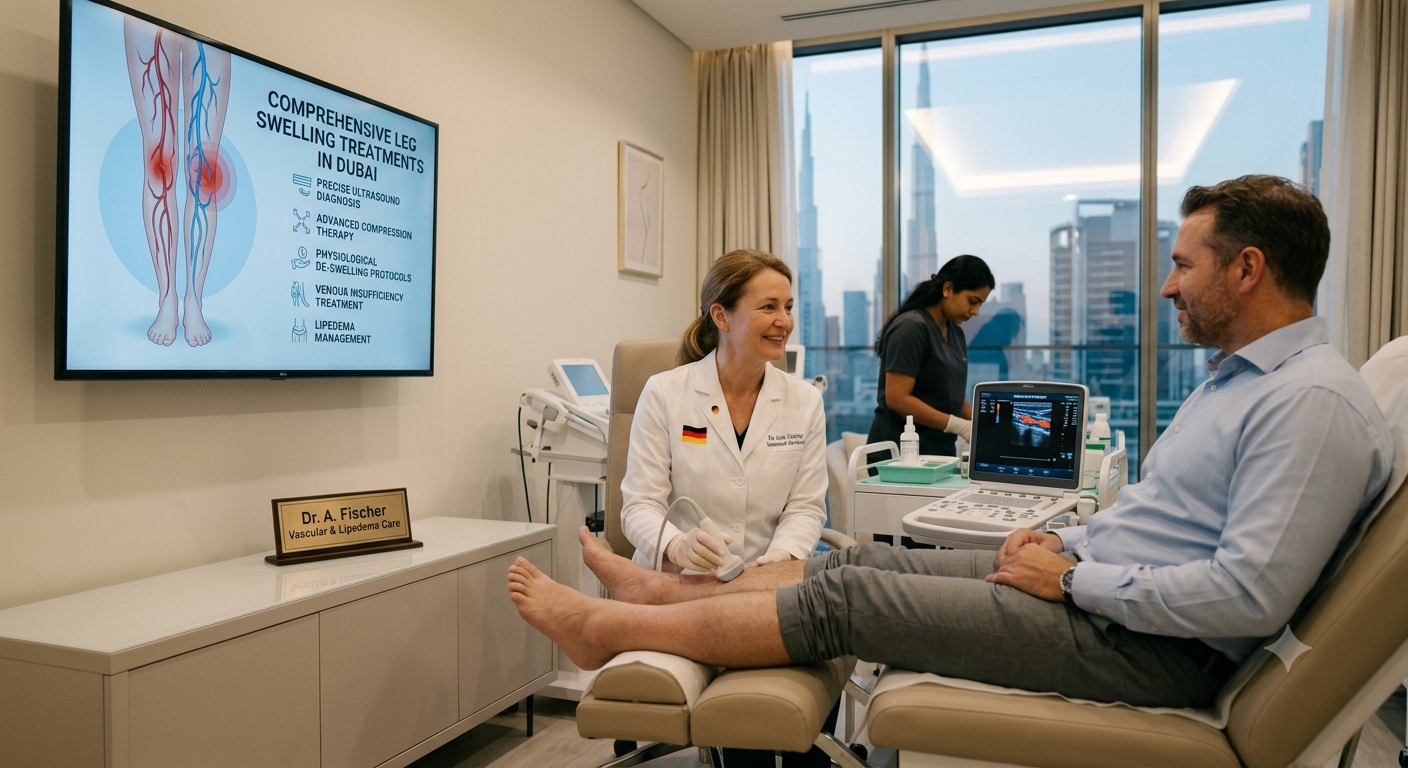
Have you ever taken off your shoes at the end of the day and noticed your ankles looked puffier than usual? Or perhaps you've experienced that uncomfortable feeling of heaviness in your legs after standing for long hours, only to find the swelling hasn't disappeared even after a good night's rest.
For many people, swollen legs are dismissed as a normal consequence of a busy lifestyle, aging, or warm weather. While temporary swelling is often harmless, persistent or recurring swelling can be your body's way of signaling an underlying medical condition that deserves professional attention.
At The Lipo Lab, we understand that Swelling Legs Treatment in Dubai is more than a cosmetic concern. It can affect your comfort, mobility, confidence, and overall quality of life. Our goal is to identify the root cause of your symptoms and recommend personalized treatment options that address the problem—not just the swelling itself.
What is Leg Swelling?
Leg swelling, medically known as edema, occurs when excess fluid accumulates in the tissues of the legs, ankles, or feet. It may affect one leg or both, develop suddenly or gradually, and range from mild puffiness to significant swelling that interferes with daily activities.
While occasional swelling after a long flight or extended periods of standing is common, persistent swelling should never be ignored.
Common Causes of Swollen Legs
There isn't a single explanation for leg swelling. Several conditions can contribute to this symptom, making a proper medical evaluation essential.
Chronic Venous Insufficiency
Healthy veins contain valves that help move blood back toward the heart. When these valves become weak or damaged, blood can pool in the lower legs, increasing pressure inside the veins and causing fluid to leak into surrounding tissues.
Common symptoms include:
-
Swollen ankles
-
Heavy legs
-
Aching or throbbing pain
-
Varicose veins
-
Skin discoloration
Lymphedema
The lymphatic system helps remove excess fluid from the body. When lymphatic drainage becomes impaired, fluid builds up in the tissues, leading to chronic swelling.
Lymphedema may develop after surgery, injury, infection, or as a primary condition affecting the lymphatic system.
Lipedema
Lipedema is often mistaken for obesity or simple weight gain, but it is a chronic condition involving abnormal fat accumulation, usually in the legs.
Many women with lipedema also experience:
-
Leg heaviness
-
Tenderness
-
Easy bruising
-
Swelling that worsens throughout the day
-
Legs that remain disproportionately larger than the upper body despite weight loss
Deep Vein Problems
In some cases, swelling may indicate a more serious vascular condition requiring immediate medical evaluation, particularly if it affects only one leg and is accompanied by pain or redness.
Lifestyle Factors
Not all cases of leg swelling are linked to disease. Temporary swelling may occur due to:
-
Long periods of standing or sitting
-
Hot weather
-
Pregnancy
-
High salt intake
-
Certain medications
However, if swelling becomes frequent or persistent, it is important to investigate the underlying cause.
When Should You Seek Medical Advice?
Many patients delay seeking treatment because they believe swelling will eventually disappear on its own.
Consider consulting a specialist if you notice:
-
Swelling lasting several days
-
Recurring swelling without an obvious cause
-
Pain or tenderness
-
Skin changes or discoloration
-
One leg significantly more swollen than the other
-
Difficulty walking comfortably
-
Swelling that continues to worsen over time
Early diagnosis often allows for more effective treatment and may help prevent complications.
How Swelling Affects Daily Life
Leg swelling isn't just physically uncomfortable—it can also interfere with everyday routines.
Many patients describe struggling to wear their favorite shoes, feeling exhausted after short walks, or avoiding social activities because of discomfort and self-consciousness.
Imagine spending an entire workday on your feet. By evening, your legs feel heavy, your shoes are tight, and climbing stairs becomes increasingly difficult. While this may seem like an inevitable part of life, it doesn't have to be.
With the right diagnosis and treatment, many patients experience significant improvements in comfort and mobility.
Diagnosing the Cause of Leg Swelling
Successful treatment begins with understanding why the swelling is happening.
At The Lipo Lab, your evaluation may include:
-
A detailed medical history
-
Physical examination
-
Assessment of circulation
-
Review of lifestyle factors
-
Ultrasound imaging when necessary
-
Evaluation of lymphatic function if indicated
Rather than simply treating symptoms, we focus on identifying the underlying condition responsible for your swelling.
Swelling Legs Treatment in Dubai
Treatment depends entirely on the underlying diagnosis. There is no one-size-fits-all solution.
Compression Therapy
Compression garments help improve circulation and reduce fluid accumulation in many vascular and lymphatic conditions.
Lifestyle Modifications
Simple daily habits can make a meaningful difference, including:
-
Regular walking
-
Elevating the legs
-
Maintaining a healthy weight
-
Staying hydrated
-
Reducing prolonged sitting or standing
Manual Lymphatic Drainage
For patients with lymphatic disorders, specialized massage techniques can encourage fluid movement and improve comfort.
Treatment for Venous Conditions
When vein disease contributes to swelling, minimally invasive procedures may be recommended to improve circulation and relieve symptoms.
Lipedema Management
Patients diagnosed with lipedema often benefit from a personalized treatment approach that may include compression therapy, conservative management, and advanced treatment options when appropriate.
Why Choosing the Right Clinic Matters
Because leg swelling can have multiple causes, choosing an experienced team is essential.
An accurate diagnosis ensures you receive the most appropriate treatment instead of simply managing symptoms temporarily.
At The Lipo Lab, we take a patient-centered approach, carefully evaluating each individual's symptoms, medical history, and goals before creating a personalized treatment plan.
Whether your swelling is related to vascular conditions, lymphatic dysfunction, or lipedema, our team is committed to providing evidence-based care in a supportive environment.
Preventing Future Leg Swelling
Although not every cause of swelling can be prevented, healthy habits may reduce your risk or improve existing symptoms.
Helpful strategies include:
-
Staying physically active
-
Avoiding long periods of inactivity
-
Wearing compression garments when recommended
-
Maintaining a balanced diet
-
Keeping hydrated
-
Elevating your legs after prolonged standing
-
Following your specialist's treatment recommendations
Consistency is often the key to long-term symptom management.
Why Patients Trust The Lipo Lab
Patients choose The Lipo Lab because we understand that every case of leg swelling is different.
Rather than offering generic solutions, we focus on identifying the root cause and developing individualized treatment plans based on your unique needs.
Our commitment to advanced diagnostics, personalized care, and long-term patient support allows us to help patients regain comfort, confidence, and improved mobility.
Conclusion
Persistent leg swelling should never be dismissed as a normal part of everyday life. While temporary swelling is common, recurring or worsening symptoms may indicate an underlying vascular or lymphatic condition that requires expert evaluation.
If you're looking for Swelling Legs Treatment in Dubai, seeking professional assessment is the first step toward lasting relief. At The Lipo Lab, we are dedicated to helping patients understand the cause of their symptoms and providing tailored treatment solutions that support better circulation, improved mobility, and enhanced quality of life.
Frequently Asked Questions
Is leg swelling always a sign of a serious condition?
No. Temporary swelling can occur after travel, prolonged standing, or hot weather. However, persistent or recurring swelling should be medically evaluated.
Can swollen legs be treated without surgery?
Yes. Many patients improve with compression therapy, lifestyle modifications, lymphatic treatments, or minimally invasive procedures, depending on the cause.
What is the difference between edema and lymphedema?
Edema refers to general fluid accumulation, while lymphedema specifically results from impaired lymphatic drainage.
When should I worry about leg swelling?
Seek medical attention if swelling is persistent, painful, affects only one leg, or is associated with redness, skin changes, or difficulty walking.
Can lipedema cause swollen legs?
Yes. Many individuals with lipedema experience leg swelling, heaviness, tenderness, and disproportionate fat accumulation that does not respond to diet or exercise.
Commandité
Commandité
Commandité
Commandité
Annonces
Catégories
Lire la suite
The U.S. and Israeli war on Iran is straining relations with some U.S. allies THREE WAY UK - GER REAX IRAN President Trump criticized the U.K. over its stance on the war on Iran, as he praised and welcomed Germany's chancellor to the White House.

What's Happening with SAVE? 3 Updates for Student Loan Borrowers as Legal Limbo Continues Student loan borrowers were thrown yet another curve ball after a federal judge last week unexpectedly dismissed a key legal challenge to former President Joe Biden’s Saving on a Valuable Education repayment plan, known as SAVE. The dismissal was a blow to...

Great news for xAI: Grok is now pretty good at answering questions about Baldur’s Gate Different AI labs have different priorities. OpenAI has traditionally focused on consumer users, for instance, while its rival Anthropic tends to target enterprises. Elon Musk’s xAI, we discovered recently, has been placing particular emphasis on video-game walkthroughs. On Friday, Business Insider’s Grace...

Steven Spielberg says he’s ‘never used AI’ in any of his films Legendary filmmaker Steven Spielberg spoke out against the use of AI technology when used in creative endeavors in an interview at the SXSW conference in Austin on Friday. Asked how he viewed AI’s utility as part of the filmmaking process, Spielberg said, “I’ve never used AI on any of my films yet,” to which the audience erupted...

Trump told Taiwan not to 'go independent' - but does it want to?31 minutes agoTessa WongAsia Digital ReporterAlex WROBLEWSKI / AFP via Getty ImagesTrump's comments have sparked a flurry of responses from TaiwanHours after meeting Chinese President Xi Jinping in Beijing last week, Donald Trump issued a stern warning to Taiwan against pursuing independence."I'm not looking to have somebody go...