


Comme des Garcons: The Story Behind Fashion's Most Rebellious Label
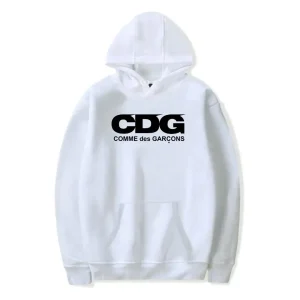
Few names in fashion carry the weight and mystery of Comme des Garcons. Translated loosely from French as "like boys," the brand has spent over five decades challenging what clothing is supposed to look like, feel like, and mean. It isn't just a label — it's a philosophy that has reshaped how designers, retailers, and everyday shoppers think about style. In this article, we'll explore the origins of Comme des Garçons, what makes it so distinctive, its most iconic sub-lines, and why it continues to command a devoted global following.
The Origins of Comme des Garçons
Comme des Garçons was founded in Tokyo in 1969 by Rei Kawakubo, a designer who had no formal fashion training but possessed an unshakable vision for garments that defied convention. Kawakubo launched the label with an intent to create clothing that existed outside traditional ideas of beauty, symmetry, and femininity. Rather than following the polished, body-hugging silhouettes popular at the time, she experimented with deconstruction, asymmetry, raw edges, and unconventional proportions.
By 1981, Comme des Garçons made its debut on the Paris runway, and the fashion world was, quite literally, stunned. Critics famously described the collection as "Hiroshima chic" because of its dark, tattered, and seemingly unfinished aesthetic — a stark contrast to the era's glamorous, color-saturated fashion. While controversial at the time, this collection cemented Comme des Garçons as a serious disruptor and set the tone for everything that followed.
What Makes Comme des Garçons Different
Most fashion houses aim to flatter the body. Comme des Garçons often does the opposite — distorting, hiding, or reshaping it entirely. Kawakubo has used padding, lumps, holes, and irregular hems to question the very idea of what clothing "should" do. Her work is less about dressing a person and more about provoking thought, making Comme des Garçons as much an art movement as a fashion brand.
This experimental spirit extends beyond garments into the brand's retail spaces, packaging, and collaborations. Comme des Garçons stores are known for unconventional, gallery-like interiors, and the brand's Dover Street Market concept — co-founded by Kawakubo — has become a global blueprint for experiential retail, blending high fashion with streetwear, art installations, and emerging designers under one roof.
The Iconic PLAY Line and Its Heart Logo
While the mainline collections remain avant-garde and often inaccessible to casual shoppers, Comme des Garçons PLAY has become the brand's most recognizable and commercially successful offshoot. Designed by Polish illustrator Filip Pagowski, the PLAY line features a simple heart logo with two eyes, appearing on T-shirts, sweaters, sneakers, and accessories.
Unlike the deconstructed pieces from the mainline, PLAY items are wearable, minimalist, and instantly identifiable — making them a favorite among streetwear enthusiasts and sneakerheads. The line has also fueled countless collaborations, most notably with Converse, whose Chuck Taylor sneakers featuring the PLAY heart logo have become a staple in casual wardrobes worldwide.
Collaborations That Defined a Generation
Comme des Garçons has built an extensive history of collaborations that merge high fashion with mainstream culture. Partnerships with Nike, Converse, Supreme, and even everyday brands have introduced the label to audiences who might never set foot in a traditional luxury boutique. These collaborations allow the brand to maintain its avant-garde credibility while also reaching a broader, younger demographic drawn to its bold branding and cultural cachet.
This dual identity — uncompromising high fashion on one hand, accessible streetwear-adjacent products on the other — is part of what makes Comme des Garçons so enduringly relevant. It appeals equally to fashion academics analyzing garment construction and to teenagers wearing a heart-logo hoodie to school.
Comme des Garçons Fragrances
Beyond clothing, Comme des Garçons has built a respected reputation in the fragrance world. Its perfumes are known for unconventional, sometimes polarizing scent profiles — incorporating notes like rubber, ink, and metal rather than traditional florals or sweetness. This same experimental DNA that defines the brand's clothing carries through to its scent portfolio, appealing to fragrance enthusiasts who want something distinctly different from mainstream perfumery.
Why Comme des Garçons Remains Culturally Significant
Decades after its founding, Comme des Garçons continues to influence emerging designers and shape conversations about gender, body image, and the purpose of clothing. Rei Kawakubo has received numerous accolades throughout her career, including recognition from prestigious fashion institutions, and in 2017 she became only the second living designer to be honored with a solo exhibition at the Metropolitan Museum of Art's Costume Institute — a distinction previously given only to Yves Saint Laurent.
The brand's refusal to conform, even after achieving global commercial success, is precisely why it remains a touchstone for anyone interested in fashion as more than just clothing — but as commentary, provocation, and art.
Frequently Asked Questions
1. What does "Comme des Garçons" mean? The name translates from French to "like boys," reflecting the brand's early rejection of traditional feminine silhouettes in favor of androgynous, unconventional shapes.
2. Who founded Comme des Garçons? The brand was founded by Japanese designer Rei Kawakubo in Tokyo in 1969.
3. What is Comme des Garçons PLAY? PLAY is a more casual, accessible sub-line of the brand, best known for its heart-with-eyes logo designed by Filip Pagowski. It includes T-shirts, sweaters, and popular sneaker collaborations.
4. Is Comme des Garçons a luxury brand? Yes, the mainline collections are considered high fashion and are sold at a premium. However, sub-lines like PLAY offer more affordable entry points into the brand.
5. Why is Comme des Garçons considered controversial? Its designs often challenge conventional beauty standards through deconstruction, asymmetry, and unusual silhouettes, which some critics and consumers initially found unsettling or difficult to interpret.
6. What is Dover Street Market? Dover Street Market is a multi-brand retail concept co-founded by Rei Kawakubo, known for its experimental store design and curated mix of high fashion, streetwear, and art.
7. Are Comme des Garçons and CDG the same thing? Yes, "CDG" is simply a common abbreviation used for Comme des Garçons, especially in reference to the PLAY line and its products.
8. Where can I buy authentic Comme des Garçons products? Authentic pieces are available through official Comme des Garçons boutiques, Dover Street Market locations, and authorized luxury retailers. Buyers should be cautious of counterfeit products sold through unofficial channels.
Sponsored
Ads
Ads
Ads
Categories
Read More
Dara: Bangaranga singer says she almost quit EurovisionI wanted to quit Eurovision twice - then won it, says Bangaranga singer DaraGetty ImagesIt was an outside favourite, but Dara's song Bangaranga comfortably won the competitionEurovision Song Contest winner Dara says she wanted to quit the competition twice before securing Bulgaria's first ever victory.The Bangaranga singer has told BBC...

With a Weeklong Battery Life, My Favorite Marshall Headphones Are a Steal at Just $90Discount available: Even at full price, these on-ear Marshall Major V are a pretty solid value. So they're an absolute steal now that you can grab select colors at a new all-time low price. The midnight blue color is now $80 off at Amazon, so snag a pair for $90 while you can. I might not be a true...

Today's Wordle Hints, Answer and Help for March 22, #1737Looking for the most recent Wordle answer? Click here for today's Wordle hints, as well as our daily answers and hints for The New York Times Mini Crossword, Connections, Connections: Sports Edition and Strands puzzles.Today's Wordle puzzle isn't too tough, though the first letter is one I rarely ever guess. If you need a...

LLWIN IntroductionIntroducing LLWIN is more than simply presenting an online entertainment platform—it offers a clear picture of how the brand has built its reputation across the Asian market. Discover how LLWIN continuously invests in technology, operational stability, and customer-focused services to meet the growing expectations of modern users.LLWIN OverviewLLWIN is an...

Lucid’s turnaround plan hinges on $1.4B in cash savings, robotaxis Lucid Motors said Tuesday that its “operational reset” will focus on $1.4 billion in cash reductions along with three other “must win” and potential money-making priorities that include robotaxis, its factory in Saudi Arabia, and launching a mid-sized electric vehicle. The turnaround plan, led by its new CEO Silvio Napoli, aims...

