The Complete Guide to Choosing Apparel Packaging Boxes
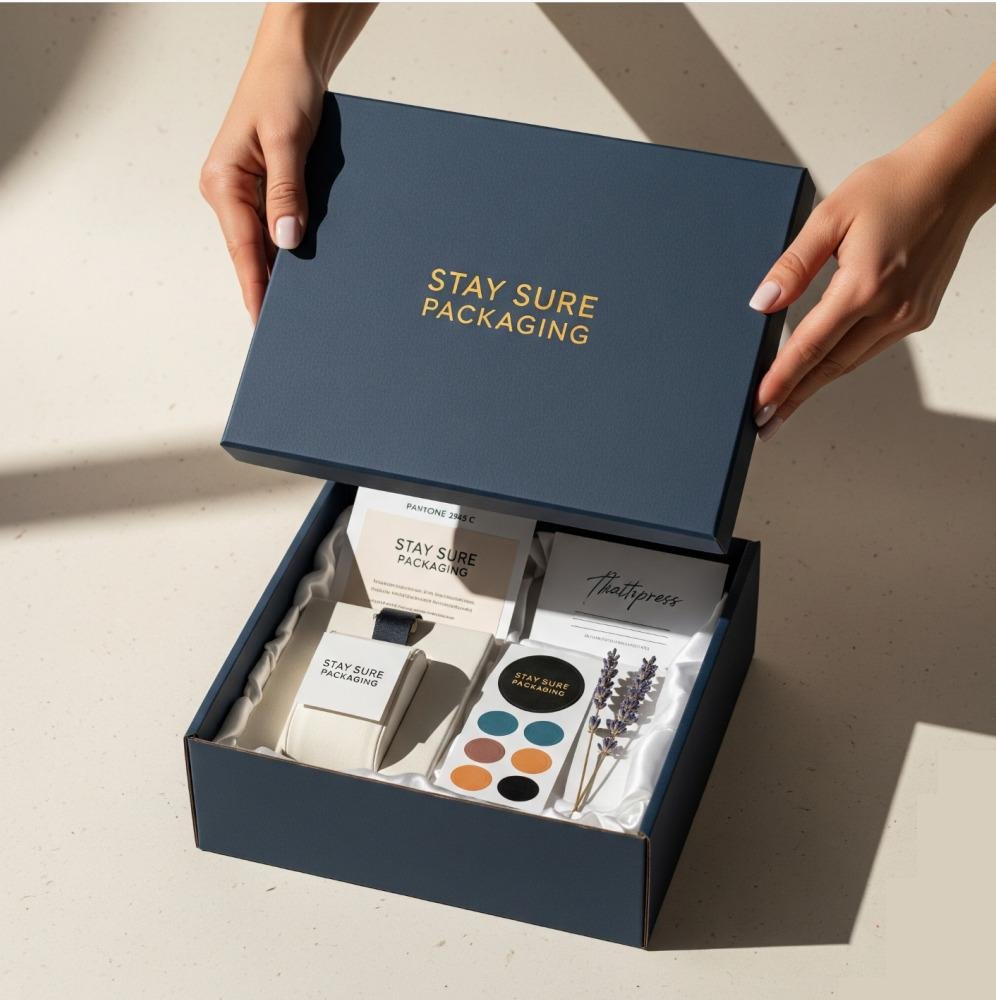
Apparel packaging is more than a pretty box. It protects garments, communicates quality, and sets expectations before a customer even opens the package. The right packaging can reduce returns, boost brand perception, and make a lasting impression at shelf touchpoints and in social posts. This guide walks you through practical choices, from materials to design, so your boxes support your brand goals without breaking the budget.
You’ll find actionable steps, real-world examples, and checklists you can hand to suppliers. My aim is to help teams like yours decide what matters most for your line, then map a practical path to production. Ready to dive in? Let’s start with the fundamentals that shape every packaging decision.
Understanding the Basics of Apparel Packaging
Key purposes of apparel packaging include protection during transit, brand storytelling, and facilitating efficient movement through warehouses. The box should guard fabrics from moisture, dirt, and creasing while remaining cost-effective.
Common box types used in fashion range from folding cartons to rigid presentation boxes. Folding cartons are light and versatile for tops, tees, and small accessories. Rigid boxes feel premium for dresses or specialty lines and can be stacked neatly for gifts or campaigns.
Packaging reflects brand identity through color, texture, typography, and finishes. A minimal, matte carton conveys modern luxury; a bold, high-contrast print signals trendiness. The box is a mini storefront you carry in every shipment.
If you’re looking to explore options, you’ll find a variety of shapes and materials that fit different price points and consumer expectations. The choice should align with your product, channel, and the shopping experience you want to craft.
For those evaluating practical suppliers, material choice often drives both performance and cost. Start by listing your top design intents, then test a few samples to compare fit and finish in real-world packaging.
Defining Your Packaging Goals
Protecting garments during transit is the top priority. Boxes must resist crushing and keep items clean from start to delivery.
Enhancing unboxing experience can differentiate your brand. A thoughtful insert, tissue wrap, or careful embossing adds delight without increasing waste.
Meeting sustainability and cost targets means balancing materials with efficiency. Recycled content helps, but it must align with printability and durability for your product.
Compliance and labeling considerations vary by market. Local requirements may dictate ingredient declarations, country of origin, and care labels on packaging or inner bags.
Material Options for Apparel Boxes
Corrugated board versus paperboard is a common trade-off. Corrugated adds strength for heavier items or stacked storage, while paperboard keeps packaging light and economical.
Coatings and finishes affect durability and appearance. A matte aqueous coating reduces glare, while a gloss finish can elevate premium lines.
Recycled and recyclable content matters to sustainability goals. Check the percent of post-consumer content and whether inks are soy-based or water-based for easier end-of-life processing.
Specialty materials suit luxury lines. Linen textures, soft-touch coatings, or metallic accents can convey exclusivity without adding bulk.
Box Styles and Shapes That Work for Apparel
Rigid versus folding cartons covers two end points. Rigid boxes feel premium but cost more, while folding cartons are practical for mass distribution.
EZ open and easy access designs reduce friction at unboxing. A clean tear strip or simple lid hinge helps customers get to the garment quickly.
Flat-packed versus one-piece boxes impact logistics. Flat-packed designs save space in transit and reduce storage costs, while one-piece boxes can improve assembly speed on the line.
Specialty shapes for collections or campaigns catch the eye. A subtle asymmetrical lid or a unique silhouette can distinguish a capsule line.
Size and Fit: Matching Boxes to Products
How to determine ideal dimensions starts with the garment’s packaging footprint. Measure length, width, and height with room for tissue and inserts.
Accounting for packaging inserts and branding elements ensures a tidy presentation. Consider cards, labels, or sample care guides that fit within the box without crowding.
Standard size charts provide a baseline, but customization lets you optimize for each product category. A consistent size system speeds up fulfillment and reduces returns due to misfit packaging.
Branding and Design Considerations
Color, typography, and logo placement set the stage for recognition. A bold logo on the lid can become a signature element across campaigns.
Visual cues that align with product categories help shoppers navigate more quickly. For example, soft palettes for intimates, bright tones for activewear, and metallic accents for premium lines create intuitive cues.
Print techniques—offset, digital, embossing, foil—offer different looks and costs. You can choose a mix of methods to balance visual impact with production budgets.
Incorporating brand storytelling in the design turns packaging into a narrative. A short brand note, heritage sketch, or product origin story can live inside the lid or on an inner panel.
If you’re exploring options, see how other brands pair color with texture to signal category and price points without shouting. The right combination feels authentic, not promotional.
As you wander through samples, keep a simple checklist: readability, contrast, and durability under typical shipping conditions. Good design survives wear and still communicates your story.
Sustainability and Compliance
Choosing recyclable and FSC-certified materials supports end-of-life goals. Look for certifications and clear labeling that customers can understand.
Minimizing packaging without compromising protection means smart design. Use inserts and tissue only where they add value and remove unused layers.
Labeling requirements for different markets vary. Ensure country-specific information, care instructions, and barcodes are correctly placed and legible.
Waste reduction and end-of-life strategies help customers recycle more easily. Consider tear-away perforations for clean disposal and visible recycling icons.
Production and Sourcing
Finding a reliable packaging partner starts with a clear brief and sample requests. Look for responsiveness and a track record with similar brands.
Lead times, minimum order quantities, and batching shape timelines. Ask for a production calendar that aligns with product launches and promotions.
Prototyping, testing, and approvals are essential steps. Test for durability, moisture resistance, and shelf life under typical shipping routes.
Cost considerations and budgeting should be transparent. Request a full quote with volumes, finish options, and any setup fees.
Practical Packaging Solutions by Category
T-shirts and basics benefit from light, fold-flat boxes that protect fabric without adding bulk. A simple tuck-in sleeve can keep color-prints pristine.
Dresses and outerwear often demand sturdier, premium boxes with magnetic closures or secure lid fits. A satin ribbon can elevate the experience for special releases.
Activewear and performance fabrics require moisture resistance and strong fastenings. Consider reinforced corners for heavy leggings or hoodies.
Accessories and jewelry packaging calls for precise inserts and secure trays. A clear window can showcase pieces while keeping them protected.
Case Studies: Successful Apparel Box Implementations
Brand A leaned into a premium unboxing experience with a rigid, fabric-covered box and a satin ribbon. The result was strong social proof and higher repeat engagement.
Brand B shifted to sustainable packaging by switching to FSC-certified paperboard and minimalist inks. They cut material waste and impressed eco-conscious customers.
Brand C adopted a cost-efficient, scalable solution with flat-pack cartons and standardized sizes. They reduced warehouse space and improved fulfillment speed.
Step-by-Step Guide to Implementing Your Packaging
Define requirements and constraints by listing product types, destinations, and protection needs. This helps narrow material and size options.
Request samples and test for durability. Build a small test batch to verify fit, protection, and unboxing feel before full production.
Finalize design and specs with clear drawings, color codes, and finish details. Lock in the file formats needed by your printer.
Production rollout and vendor management happen in stages. Start with a pilot run, then scale up as you confirm performance.
Measuring impact and iterating means collecting data on damage rates, returns, and customer feedback. Use the insights to refine packaging in future batches.
Checklists and Quick References
Packaging specification checklist: box type, dimensions, material, finish, inserts, and labeling.
Sustainability and compliance quick guide: recyclability, certifications, and market labels.
Branding design quick tips: logo placement, color balance, and print technique choices.
Common Pitfalls to Avoid
Overly heavy boxes increase shipping costs and damage risk. Keep weights aligned with product protection needs.
Inconsistent branding across packaging confuses customers. Align colors, fonts, and logos across all SKUs.
Neglecting returns packaging leads to unsanitary or user-unfriendly experiences. Plan for easy returns with clear labels.
Conclusion
The right apparel packaging boxes balance protection, presentation, and practicality. Start with clear goals, test solutions, and iterate based on real feedback. A thoughtful packaging program can support growth and shape how customers perceive your brand.
If you’re curious about current options, explore suppliers and samples to find the fit that aligns with your line’s personality and budget. The key is staying deliberate and curious through every step.
FAQs
What should I consider first when choosing a box for apparel?
Think about product protection, branding impact, and cost. Start with a size that fits your most common item and a finish that matches your brand tone.
How can I make packaging more sustainable without losing protection?
Use recyclable materials and smart inserts. Minimize layers and choose inks and coatings that are easy to recycle.
Are there standard sizes for apparel boxes?
Many brands use a standard size system to speed fulfillment, then customize a few key dimensions for specialty items.
What about labeling rules for different markets?
Check local requirements for country of origin, care instructions, and safety labels. Keep translations accurate and legible.
How do I test packaging before a full rollout?
Order a small pilot run with samples. Conduct drop tests, moisture exposure, and packing density checks to verify performance.
Patrocinado
Patrocinado
Patrocinado
Patrocinado
Anúncios
Categorias
Leia Mais
The United Kingdom corn oil market is navigating a period of steady growth driven by a shift toward high-smoke-point cooking oils and industrial sustainability, projected to expand from a valuation of USD 185 million in 2026 to approximately USD 312 million by 2036. This represents a compound annual growth rate (CAGR) of 5.4% over the ten-year forecast period....

Polymarket saw $529M traded on bets tied to bombing of Iran In Brief Posted: 11:05 AM PST · March 1, 2026 Image Credits:Michael Nagle/Bloomberg / Getty Images Prediction market users have made — and profited from — big bets around the bombing of Iran by the U.S. and Israeli military. On Polymarket, $529 million was traded on contracts...

Anthropic courts a new kind of customer: small business owners Anthropic is looking to court smaller companies. To that end, the company announced Wednesday the launch of Claude for Small Business, a new suite of services designed for customers who less resemble Walmart and Starbucks and more resemble the local hardware store or coffee shop. So far, much of the most intensive AI adoption has...

A Simple Guide to Buying and Holding Crypto We research all brands listed and may earn a fee from our partners. Research and financial considerations may influence how brands are displayed. Not all brands are included. Learn more. Money is not a client of any investment adviser featured on this page. The information provided on this page is for educational purposes...

BBC debunks viral claims Bad Bunny is not a US citizen ahead of Super BowlSkip to contentWatch LiveBritish Broadcasting CorporationHomeNewsSportBusinessTechnologyHealthCultureArtsTravelEarthAudioVideoLiveDocumentariesWatch LiveMore on this story.5 hours agoSuper Bowl