Alumina Plug: Uses, Benefits, and Industrial Applications
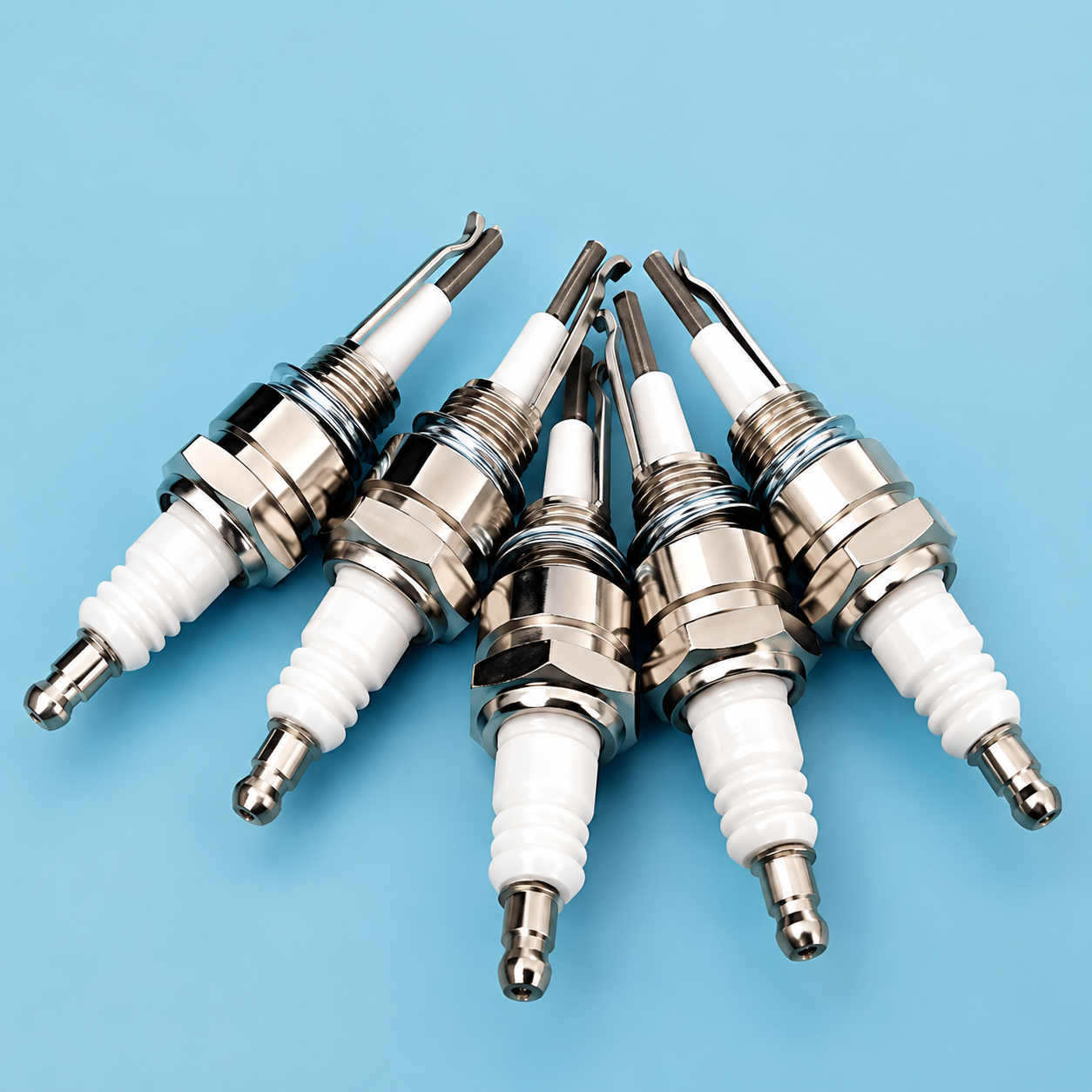
An alumina plug is a high-performance refractory component widely used in industries that require excellent heat resistance, durability, and chemical stability. Manufactured primarily from high-purity alumina, these plugs are designed to perform efficiently in extremely high-temperature environments such as steel plants, foundries, glass manufacturing units, and ceramic industries. Because of their exceptional thermal properties, alumina plugs play a crucial role in controlling molten metal flow, sealing furnace openings, and maintaining the efficiency of industrial equipment. As industries continue to demand stronger and more reliable refractory materials, alumina plugs have become an essential component in modern manufacturing and metallurgical operations. Their ability to withstand harsh operating conditions while maintaining structural integrity makes them a preferred choice for engineers and industrial manufacturers worldwide.
What Is an Alumina Plug?
An alumina plug is a refractory product made mainly from aluminum oxide (Al₂O₃), a material known for its outstanding hardness, high melting point, and resistance to wear and corrosion. These plugs are specially engineered to function in high-temperature industrial environments where ordinary materials would quickly fail. Alumina plugs are available in different shapes, sizes, and purity grades depending on their intended application. They are commonly used in steel ladles, tundishes, furnaces, kilns, and various thermal processing systems. The high alumina content provides excellent resistance to molten metals, thermal shock, and aggressive chemical reactions, ensuring long service life and reliable performance even under continuous industrial use.
Chemical Composition of Alumina Plug
The performance of an alumina plug largely depends on its chemical composition. High-quality alumina plugs typically contain between 85% and 99% aluminum oxide, along with carefully controlled amounts of silica, calcium oxide, magnesium oxide, and trace mineral additives. The high concentration of alumina significantly improves the material's strength, hardness, and resistance to extreme temperatures. Low impurity levels are essential because they reduce the likelihood of chemical degradation during operation. Manufacturers carefully monitor the composition to ensure that each alumina plug meets industry standards for mechanical strength, thermal stability, and corrosion resistance. This optimized composition makes alumina plugs suitable for demanding industrial applications.
Physical Properties of Alumina Plug
Alumina plugs possess remarkable physical characteristics that contribute to their widespread industrial use. They exhibit excellent compressive strength, high density, superior hardness, and exceptional wear resistance. One of their most valuable features is their ability to retain mechanical strength even when exposed to temperatures exceeding 1,700°C. They also have low thermal conductivity, which helps minimize heat loss and improve energy efficiency in industrial furnaces. Additionally, alumina plugs resist abrasion caused by molten metals and industrial slags, making them highly durable over extended operating periods. These physical properties ensure consistent performance in some of the harshest industrial environments.
Manufacturing Process of Alumina Plug
The manufacturing of alumina plugs begins with the selection of premium-quality alumina powder. The raw materials are carefully mixed with binders and additives to achieve the desired composition and consistency. The mixture is then shaped using advanced pressing or casting techniques before being dried under controlled conditions. After drying, the plugs undergo high-temperature sintering in specialized kilns where the particles bond together, creating a dense and durable structure. Following the sintering process, each alumina plug is inspected for dimensional accuracy, density, mechanical strength, and surface quality. Strict quality control ensures that the final product meets the performance requirements of industrial customers.
Applications of Alumina Plug in Steel Manufacturing
Steel manufacturing is one of the largest users of alumina plugs due to the demanding conditions involved in molten metal processing. Alumina plugs are commonly installed in ladles and tundishes to regulate the flow of molten steel during casting operations. Their excellent resistance to erosion and thermal shock allows them to maintain precise flow control while minimizing contamination of the molten metal. High-purity alumina also helps reduce chemical reactions between the refractory material and the steel, resulting in improved product quality. By enhancing operational efficiency and extending equipment life, alumina plugs have become indispensable in modern steel production facilities.
Importance in Foundry Operations
Foundries rely on alumina plugs to handle molten iron, aluminum, copper, and other metals safely and efficiently. During casting operations, the plugs help control metal flow while withstanding continuous exposure to high temperatures and corrosive slags. Their durability minimizes maintenance requirements and reduces production downtime, allowing foundries to improve productivity. Because alumina plugs maintain their structural integrity under repeated heating and cooling cycles, they are well suited for high-volume manufacturing environments. Their consistent performance contributes to improved casting quality and reduced material waste.
Use in Glass and Ceramic Industries
The glass and ceramic industries also benefit from the excellent thermal properties of alumina plugs. Glass manufacturing furnaces operate at extremely high temperatures, requiring refractory components capable of resisting heat and chemical attack. Alumina plugs help seal furnace openings, maintain thermal efficiency, and reduce heat loss. In ceramic manufacturing, they are used in kilns and thermal processing equipment where dimensional stability is critical. Their resistance to thermal expansion and chemical corrosion ensures reliable operation, contributing to higher product quality and improved manufacturing efficiency.
Advantages of Using Alumina Plug
Alumina plugs offer numerous advantages that make them an ideal choice for industrial applications. Their high melting point allows them to function reliably in extreme heat without deformation. Excellent wear resistance extends service life, reducing replacement costs and maintenance frequency. Strong chemical stability protects against corrosion caused by molten metals and industrial slags. Their low thermal conductivity improves energy efficiency by minimizing heat loss. Furthermore, their high mechanical strength enables them to withstand heavy industrial loads while maintaining consistent performance. These advantages make alumina plugs a cost-effective and dependable refractory solution.
Thermal Shock Resistance
Industrial equipment often experiences rapid temperature fluctuations during startup, shutdown, or production changes. Alumina plugs are specifically designed to resist thermal shock, allowing them to maintain structural integrity despite sudden heating and cooling cycles. This resistance significantly reduces cracking and premature failure, extending the operational life of refractory systems. Reliable thermal shock performance is especially important in steel plants, foundries, and glass manufacturing facilities where temperature variations are unavoidable. By minimizing damage caused by thermal stress, alumina plugs help improve overall equipment reliability.
Corrosion and Wear Resistance
Molten metals, slags, and aggressive industrial chemicals can quickly damage conventional refractory materials. Alumina plugs provide outstanding resistance to both chemical corrosion and mechanical wear due to their high alumina content and dense microstructure. This resistance ensures long-lasting performance even under continuous exposure to harsh industrial conditions. Reduced erosion not only extends the lifespan of the plug itself but also protects surrounding equipment from damage. As a result, industries benefit from lower maintenance costs and increased operational efficiency.
Maintenance and Installation
Proper installation and regular maintenance are essential for maximizing the performance of alumina plugs. Before installation, operators should inspect the plug for cracks or manufacturing defects and ensure that the mounting area is clean and properly prepared. During operation, routine inspections help identify signs of wear, erosion, or damage before they become serious problems. Replacing worn plugs at appropriate intervals helps maintain safe and efficient operation while preventing unexpected equipment failures. Following manufacturer recommendations for installation and maintenance significantly extends the service life of alumina plugs.
Quality Standards and Testing
Manufacturers subject alumina plugs to rigorous quality testing before they reach industrial customers. Common tests include density measurement, compressive strength evaluation, thermal shock testing, chemical composition analysis, and dimensional inspection. These quality control procedures ensure that every plug meets industry specifications and performs reliably under demanding operating conditions. Compliance with recognized international standards also provides customers with confidence in product consistency and durability. High-quality manufacturing practices play a vital role in delivering dependable refractory solutions.
Future Trends in Alumina Plug Technology
As industrial technology continues to advance, manufacturers are developing improved alumina plugs with higher purity, enhanced density, and greater thermal performance. Research focuses on optimizing raw materials, refining manufacturing techniques, and increasing resistance to corrosion and thermal shock. Advanced ceramic engineering is enabling the production of longer-lasting refractory products that improve efficiency while reducing maintenance costs. Growing demand from steel, renewable energy, aerospace, and advanced manufacturing industries is expected to drive continued innovation in alumina plug technology over the coming years.
Conclusion
Alumina plugs have become an essential component in modern high-temperature industries because of their exceptional strength, heat resistance, and chemical stability. Their widespread use in steel manufacturing, foundries, glass production, ceramics, and other industrial applications demonstrates their reliability and versatility. By providing superior thermal shock resistance, excellent wear performance, and long operational life, alumina plugs help improve manufacturing efficiency while reducing maintenance costs. As industrial processes continue to evolve, demand for high-quality alumina plugs is expected to grow, making them an increasingly valuable solution for advanced refractory applications around the world.
Patrocinado
Anúncios
Anúncios
Anúncios
Categorias
Leia Mais
How to Travel in Retirement While Cutting Costs: The Slow Travel Strategy Gaining Popularity We research all brands listed and may earn a fee from our partners. Research and financial considerations may influence how brands are displayed. Not all brands are included. Learn more. Traveling is something many people look forward to in...

'I don't want to imagine what happened' - Shock and disbelief in area Savannah Guthrie's mother went missingRegan Morrisin Tucson, ArizonaWatch: What we still don’t know about the disappearance of Savannah Guthrie’s motherThe neighbourhood where Nancy Guthrie went missing has breathtaking views of the Santa Catalina mountains and strict limits on outdoor lighting to protect Tucson's standing as...

Well-designed furniture depends on carefully selected hardware that supports reliable daily operation. Drawer Pulley is an important component used in many drawer systems, helping achieve controlled movement for residential, commercial, and customized furniture, while Hunepulley provides hardware solutions developed to accommodate diverse application requirements. Choosing suitable components...

"If you are alive, make any noise": Venezuela searches rubble on day four Venezuelan firefighters and volunteers search for possible victims atop a collapsed building in Caraballeda, La Guaira state, Venezuela, on Saturday, June 27, 2026....

Death of the road trip? How higher gas prices are putting a summer staple to the testArticle contentMcTeague said he believes gas prices will remain elevated enough to affect travel decisions in the coming months.Article contentHe recounted visiting Bobcaygeon, Ont., recently. “I’ve been (visiting) there for 60 years and I’ve never seen so few boats on the lake,” he said. “Although things are...