A Complete Guide to Identifying and Managing Airborne Allergens
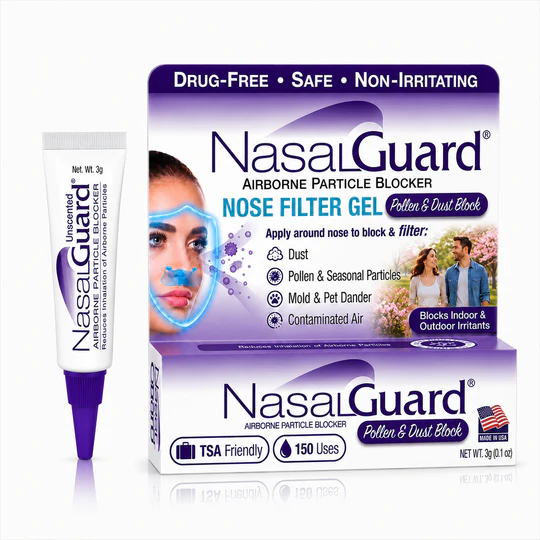
Airborne allergens affect millions of people every year, causing sneezing, itchy eyes, congestion, and breathing discomfort. Whether you are at home, work, or outdoors, airborne allergens such as pollen, dust, pet dander, and mold spores can trigger unwanted allergic reactions. Fortunately, there are practical ways to reduce exposure and improve your daily comfort. By combining preventive strategies with innovative protective products, you can enjoy cleaner air and experience fewer allergy symptoms throughout every season.
Understanding Airborne Allergens
Airborne allergens are microscopic particles that travel through the air and enter your body primarily through your nose and mouth. Common sources include tree pollen, grass pollen, weeds, mold spores, dust mites, pet dander, and indoor pollutants. Since these particles are lightweight, they remain suspended in the air for long periods. Once inhaled, they may trigger an immune response, causing allergy symptoms that range from mild irritation to severe respiratory discomfort in sensitive individuals.
Why Airborne Allergens Trigger Allergies
Your immune system is designed to protect you from harmful substances. However, in people with allergies, harmless airborne particles are mistakenly identified as threats. The body releases histamine and other chemicals to fight these particles, leading to sneezing, runny nose, watery eyes, itchy throat, and nasal congestion. Understanding this reaction helps explain why reducing exposure is one of the most effective ways to manage seasonal and year-round allergies without relying entirely on medication.
Common Sources of Indoor Allergens
Many people assume allergies occur only outdoors, but indoor environments can also contain significant allergen levels. Dust mites thrive in bedding, carpets, and upholstered furniture. Pet dander spreads easily through the home and remains airborne for hours. Mold spores develop in damp areas such as bathrooms, kitchens, and basements. Poor ventilation further increases allergen concentration, making it essential to maintain a clean and well-ventilated living environment throughout the year.
Outdoor Allergy Triggers Throughout the Year
Outdoor allergens vary depending on the season and your geographic location. Spring often brings tree pollen, while grasses dominate during summer. Fall introduces weed pollen, particularly ragweed, and mold spores increase after rain. Windy days can carry allergens over long distances, increasing exposure even if allergen-producing plants are not nearby. Monitoring local pollen forecasts helps you plan outdoor activities and minimize unnecessary exposure during peak allergy periods.
Recognizing Common Allergy Symptoms
Symptoms caused by airborne allergens can vary between individuals. Frequent sneezing, itchy nose, watery eyes, nasal congestion, coughing, and throat irritation are among the most common signs. Some people also experience fatigue due to poor sleep caused by nighttime congestion. Persistent symptoms that appear during specific seasons or after exposure to certain environments often indicate allergic reactions rather than viral infections, making accurate identification important for proper management.
Practical Ways to Reduce Allergen Exposure
Reducing allergen exposure begins with simple daily habits. Keep windows closed during high pollen days and use air conditioning when possible. Wash your hands and face after spending time outdoors to remove pollen particles. Shower before bedtime to prevent allergens from transferring onto bedding. Vacuum frequently using HEPA-filter vacuums and wash bedding weekly in hot water. These practical measures significantly reduce allergen buildup inside your home and improve overall indoor air quality.
Benefits of Using a Nasal Allergy Blocker Gel
A nasal allergy blocker gel creates a protective barrier inside the nostrils before allergens enter the respiratory system. Instead of treating symptoms after exposure, it helps reduce contact with airborne particles at the point of entry. This preventive approach is especially helpful during high pollen seasons, outdoor activities, commuting, or gardening. Many people appreciate this simple solution because it supports comfortable breathing while fitting easily into everyday routines without disrupting daily activities.
How an Airborne Particle Blocker Works
An airborne particle blocker functions by capturing microscopic particles before they reach sensitive nasal tissues. Instead of allowing allergens to travel deeper into the respiratory tract, the protective layer traps many particles at the entrance of the nose. This approach complements other allergy management techniques such as maintaining clean indoor spaces and monitoring pollen levels. Used consistently, it provides an additional level of protection against everyday environmental allergens.
Drug-Free Allergy Relief for Everyday Comfort
Many allergy sufferers seek drug-free allergy relief to avoid drowsiness or medication-related side effects. Preventive products, healthy lifestyle habits, and environmental control measures can work together to reduce symptoms naturally. Staying hydrated, using saline nasal rinses, and limiting allergen exposure are practical strategies that support respiratory comfort. Combining these methods allows many individuals to manage mild allergy symptoms while maintaining their normal daily activities with greater confidence.
The Role of an Electrostatic Nasal Filter
An electrostatic nasal filter is another innovative solution designed to reduce allergen exposure. Using electrostatic technology, it attracts and captures tiny airborne particles before they enter the nasal passages. Because many allergens are microscopic, advanced filtration methods offer additional support beyond traditional face coverings. These filters can be particularly useful in environments with elevated pollen counts, dust exposure, or airborne pollutants that may trigger allergic reactions throughout the day.
Improving Indoor Air with Better Filtration
Using an air purifier for your nose is only one part of maintaining cleaner breathing. High-quality air purifiers equipped with HEPA filters help remove airborne allergens from indoor spaces by continuously filtering dust, pollen, pet dander, and mold spores. Positioning air purifiers in bedrooms and living areas improves overall indoor air quality, especially during allergy seasons. Regular maintenance and timely filter replacement ensure optimal performance and consistent allergen reduction.
Lifestyle Habits That Support Allergy Prevention
Healthy lifestyle habits contribute to stronger respiratory health and improved allergy management. Regular cleaning reduces dust accumulation, while maintaining proper humidity levels discourages mold growth. Wearing sunglasses outdoors helps protect your eyes from pollen, and changing clothes after outdoor activities minimizes allergen transfer indoors. Eating a balanced diet, staying hydrated, and getting adequate sleep also support your body's natural ability to respond to environmental challenges more effectively.
Managing Allergies While Traveling
Travel introduces new environments with unfamiliar allergen levels. Research local pollen forecasts before departure and pack allergy prevention essentials. Keep hotel windows closed when pollen counts are high and consider requesting non-smoking, pet-free accommodations whenever available. During road trips, use vehicle air conditioning instead of opening windows. Portable preventive products make it easier to maintain protection regardless of your destination, helping you enjoy travel without unnecessary allergy discomfort.
Seasonal Allergy Prevention Tips
Preparing before allergy season begins often produces better results than reacting after symptoms appear. Begin preventive measures before pollen counts rise significantly. Follow weather reports that include pollen forecasts and avoid outdoor activities during peak pollen hours, typically early morning. After returning indoors, remove shoes and outer clothing to reduce allergen transfer. Consistent preventive habits throughout the season help minimize cumulative allergen exposure and improve overall daily comfort.
Choosing the Right Allergy Protection Solution
Every individual experiences allergies differently, making personalized prevention strategies important. Consider your daily routine, work environment, outdoor exposure, and symptom severity when selecting protective products. Some individuals benefit from combining environmental controls with preventive nasal protection and indoor air purification. Consulting healthcare professionals may also help identify specific triggers and develop an effective long-term allergy management plan tailored to your personal needs and lifestyle.
Conclusion
Living with allergies does not have to mean constant discomfort. Understanding airborne allergens, recognizing common triggers, and adopting preventive strategies can significantly reduce exposure and improve your quality of life. Combining environmental control, healthy habits, and innovative protective solutions such as nasal barriers and advanced filtration technologies offers a practical approach to allergy management. NasalGuard provides an effective option for people seeking added protection and greater comfort while navigating everyday environments filled with airborne allergens.
Sponsor
Sponsor
Sponsor
Sponsor
Zoekertjes
Categorieën
Read More
Is Your Old Gmail Account Ruining Your Life? Here's How to Fix It Tired of your cringy old Gmail username? You aren't stuck with it forever anymore. Tyler is a writer for CNET covering laptops and video games. He's previously covered mobile devices, home energy products and broadband. He came to CNET straight out of college, where he graduated from Seton Hall with a bachelor's...

Apple plans to make iOS 27 a Choose Your Own Adventure of AI models In Brief Posted: 1:56 PM PDT · May 5, 2026 Image Credits:alexsl (opens in a new window) / Getty Images When iOS 27 is released later this year, iPhone users will reportedly have a lot of choice when it comes to which AI models they want to use on-device. A new report...

'It's desperate': A look at the conditions sailors stuck in the Strait of Hormuz face NPR's Michel Martin speaks with Jacqueline Smith of the International Transport Workers' Federation about conditions for sailors stranded on ships in the Strait of Hormuz.

UK cops say arrest of two young hackers disrupted the operations of an infamous hacking group U.K police said on Thursday that the jailing of two teenage hackers has “severely” hampered the activities of the infamous cybercrime group known as Scattered Spider. Owen Flowers, 18, and Thalha Jubair, 20, pleaded guilty earlier this year to hacking Transport of London (TfL), the government body...

1000xResist Studio's Next Indie Game Asks: Can You Convince an AI It Isn't Human?If you're flustered at how much AI chatbots chat like humans, there's an upcoming indie game with your name on it.During the Triple-i Initiative showcase in early April, the studio Sunset Visitor (creators of 1000xResist) unveiled its next title, Prove You're Human. The narrative game puts players in the role of a...