


Why WhatsApp usernames could upset Somalia's anti-terror fight
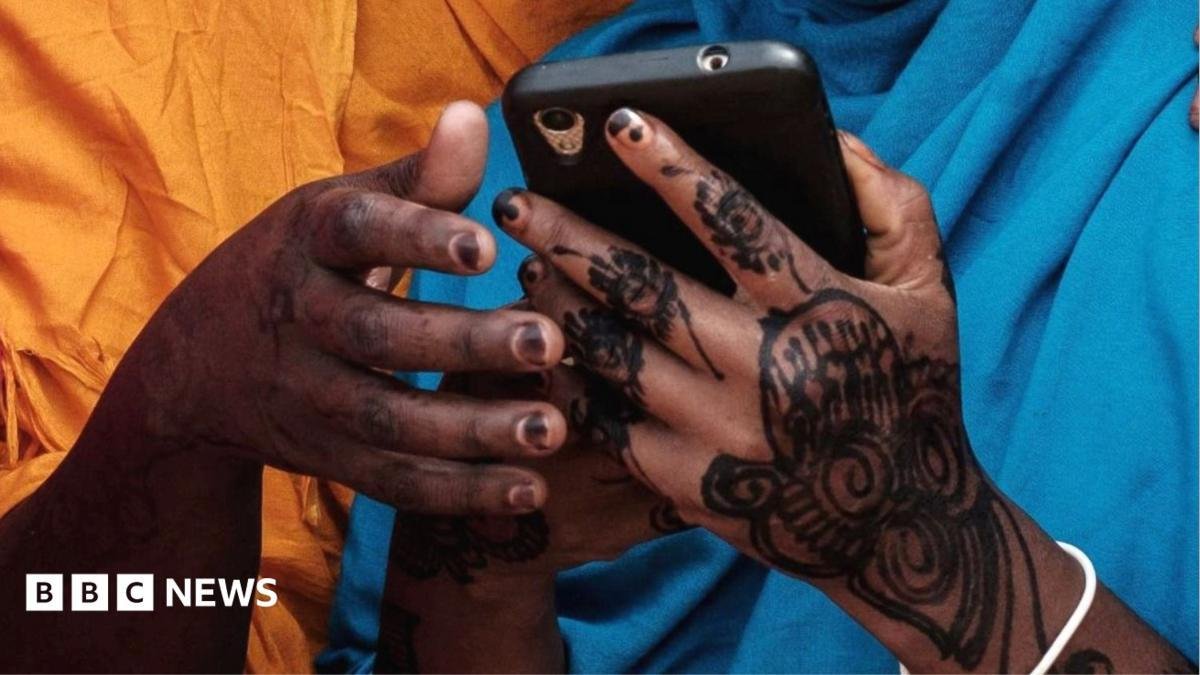
WhatsApp usernames: Why Somalia fears they will pose a security risk
Somalia's government has told the BBC it is concerned about WhatsApp's plan to launch a new feature that would let people chat using usernames rather than phone numbers, saying it could pose a security risk.
Communications and Technology Minister Ahmed Osman Dirie said it could make it harder to trace and counter criminals in a country that is still battling Islamist militants.
The rollout to three billion global users of WhatsApp worldwide is expected in the coming months, allowing people to remove or change their usernames at any time.
Somalia has been hit by a brutal and deadly insurgency - led by al-Shabab, an al-Qaeda affiliate - for more than two decades.
In response to Somalia's concerns, WhatsApp told the BBC that the feature was not yet live, and users would still need a phone number to use the app. It further stated that the feature comes with built-in safeguards against scams.
But Dirie told the BBC Focus on Africa podcast that the Somali government had approached Meta, which owns WhatsApp, about their concerns and hoped that "we'll reach a resolution on this matter very soon".
He pointed out that Somalia had a "unique context", with an economy that heavily relies on mobile money transactions.
"Unverified and untraceable usernames" introduced the risk of financial fraud and citizens becoming vulnerable to scammers, he said.
Al-Shabab militants have also been known to use WhatsApp for their operations, including for extortion and propaganda.
In 2024, Somalia's intelligence agency said it had shut down 20 WhatsApp groups allegedly operated by al-Shabab for extortion and intimidation.
It said it had also disabled data services for about 2,500 phone numbers associated with them.
Dirie told the BBC that while Somalia effectively regulated phone numbers in the country, WhatsApp's new feature would undermine that.
Somalia's issues follow a similar complaint raised by India - the biggest market for the platform with more than 850 million users.
Earlier this month, India said it believed usernames might increase online fraud, impersonation and other crimes by allowing criminals to contact potential victims without disclosing their phone numbers.
It also asked the company "not to roll out this feature until the consultation on this point is achieved to the satisfaction of the government".
Dirie said linking a WhatsApp profile to a phone number made it easier to track criminals.
"So moving away from phone numbers to usernames, we believe, will make it difficult for us to counter those crimes," he said.
The minister said they required further assurances from Meta, despite its assertion that it had built mechanisms to defend against cybercrimes through WhatsApp.
He demanded that Meta demonstrate that hiding phone numbers would not "erode digital traceability" and provide "specific safeguards" against financial fraud.
"If they prove that, when we discuss if we put those safeguards in place, then we will not have any issue with rolling out the new feature," he said.
According to Moses Kemibaro, a technology blogger who focuses on Africa, WhatsApp's new feature aims to enhance user privacy.
He views the change as an evolution of WhatsApp to become like other services under Meta, such as Instagram, where one's identity is not related to a phone number.
"It's almost saying that this can work irrespective of the phone number and just give you a single identity," he says.
While this can enable more private interactions, Kemibaro notes that countries have valid concerns about its impact on security.
"[It is] a very sensitive issue around the possibility of escalation in scams and risky propositions that might actually come out of this new trend," he says.
Meta needs to explain the implication of the changes - including whether regulators can link crimes committed by a username to a person behind it, the blogger adds.
Kenyan security expert George Musamali partly concurs, saying what WhatsApp is doing helps guarantee a user's privacy.
He says that when people complain about their details being taken from WhatsApp groups and used against them, the blame often falls on the tech giant.
There may also be cases when some governments use information shared in such groups to target their critics, which, Musamali argues, might be what Meta is trying to prevent.
Ultimately, he suggests that governments may be "jumping the gun", citing a need for a balance between privacy and security concerns.
Sponsored
Sponsored
Sponsored
Sponsored
Ads
Categories
Read More
Google’s AI Mode can now help you find products in stock nearby Image Credits:Jonathan Johnson/Bloomberg / Getty Images 7:00 AM PDT · April 17, 2026 Google is rolling out new features that are designed to help with planning summer travel. The tech giant announced on Friday that its agentic AI within AI Mode can now help check whether what you need is in stock...

NPR went looking for Polymarket's Panama headquarters. It's elusive Polymarket claims its headquarters is on the 21st floor of the Oceania Business Plaza. So do more than a dozen other crypto companies. But the address leads to a law firm....

Electric Wheelchair Price in Lahore Mobility plays an important role in maintaining independence, confidence, and quality of life for individuals with movement difficulties. With advancements in healthcare technology, electric wheelchairs have become an effective solution for people who need comfortable and reliable mobility support. Many families, caregivers, and healthcare professionals in...

Spotify will let you edit your Taste Profile to control your recommendations At the SXSW conference on Friday, Spotify co-CEO Gustav Söderström announced a new feature, launching in beta, that will allow listeners for the first time to review and edit their Taste Profile, the algorithmically generated model of their music preferences. This Taste Profile is key to Spotify’s recommendations,...

Xiaomi May Have Just Invented a Robot Arm for EV ChargingMultiple sites devoted to electric vehicles and charging technology are reporting that Chinese tech company Xiaomi has created a robotic arm for home use that can automatically plug into an electric vehicle for charging.According to a report from CarNewsChina referenced in many of those stories, the product would be released later this...

