Cannabis Climate Control: Why It Makes or Breaks Your Grow
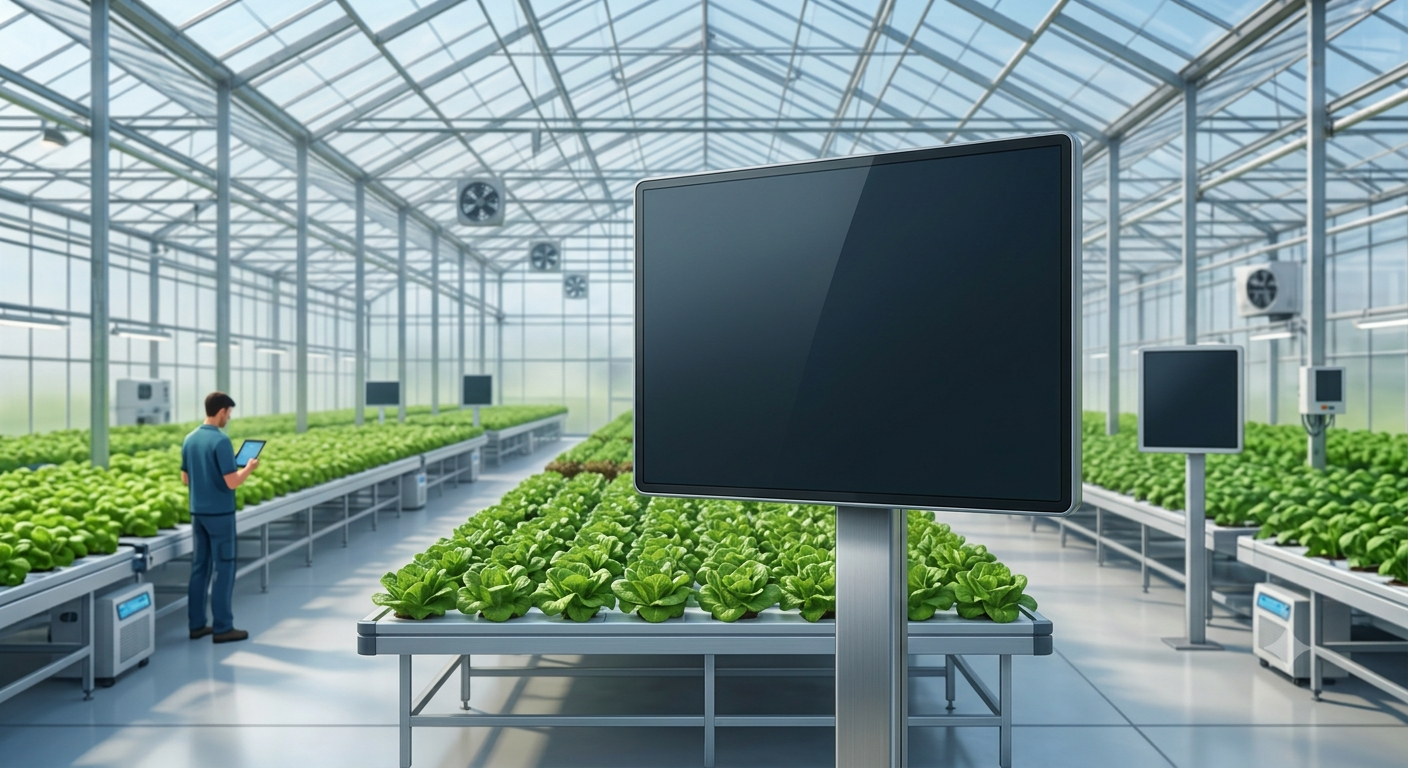
Cannabis is one of the most sensitive crops you can grow indoors. It's not just about giving plants light and water and hoping for the best — the environment around them has to be dialed in almost perfectly, or you'll see it show up in your yield, your potency, and your overall plant health. That's why cannabis climate control has become such a central topic for growers, whether you're running a small personal setup or a large commercial facility. Get it right, and your plants reward you. Get it wrong, and you'll spend a lot of time chasing problems that never seem to fully go away.
Why Cannabis Is So Sensitive to Its Environment
Unlike a lot of crops, cannabis goes through very distinct growth stages, and each one has different environmental needs. During the vegetative stage, plants generally want warmer temperatures and higher humidity to support fast leaf and stem growth. Once flowering begins, that changes. Humidity needs to drop, and temperature swings become far more dangerous, since heat stress or excess moisture during flowering can lead to mold, mildew, or bud rot that ruins an entire harvest.
This constant shifting is exactly why cannabis growers can't just set a system once and forget about it. The environment has to move with the plant, adjusting as it transitions from seedling to vegetative growth to flowering and finally to harvest.
Temperature: The Foundation of Everything
Temperature affects almost every biological process happening inside a cannabis plant, from photosynthesis to nutrient uptake. Too hot, and plants start closing their stomata to conserve water, which slows growth and can stress the plant. Too cold, and metabolic processes slow down, leaving plants sluggish and more vulnerable to disease.
Most growers aim for daytime temperatures in the mid-70s Fahrenheit, with a slight drop at night to mimic natural outdoor patterns. But hitting that target consistently, especially in a facility packed with grow lights generating their own heat, requires more than just a basic air conditioner. It requires a system that can respond quickly to constant fluctuations, especially in larger operations where hundreds of lights are running at once.
Humidity: The Silent Threat
If temperature is the foundation, humidity is the factor that can quietly destroy an entire crop if it's not managed properly. Cannabis flowers are dense, and once mold or mildew gets a foothold inside a bud, there's often no saving it. High humidity during flowering is one of the leading causes of crop loss in indoor cannabis operations.
On the flip side, humidity that's too low can cause plants to lose moisture too quickly, leading to weak growth and increased vulnerability to pests like spider mites, which thrive in dry conditions. Finding that middle ground, and adjusting it as plants move through their growth stages, is one of the trickiest parts of running a successful grow.
Airflow and CO2: The Overlooked Essentials
Temperature and humidity get most of the attention, but airflow matters just as much. Stagnant air creates pockets of high humidity around dense buds, even if your overall room humidity looks fine on a sensor. Good airflow keeps conditions even throughout the canopy and helps plants develop stronger stems by mimicking a gentle outdoor breeze.
CO2 levels also play a role, especially in sealed rooms where plants can quickly use up available carbon dioxide. Supplementing CO2 can boost growth significantly, but only if temperature and humidity are already well managed, since elevated CO2 environments tend to run hotter and require more precise climate control to avoid stressing the plants.
Why Integrated Systems Matter So Much
Given how many variables are involved, it's easy to see why piecing together separate fans, heaters, and dehumidifiers often falls short. Each piece of equipment reacting independently, without communicating with the others, tends to create inconsistency. One system cools the room while another is unintentionally raising humidity, and growers end up chasing their tails trying to manually correct things.
This is part of a much larger shift happening across the industry toward controlled environment agriculture, where every environmental factor — temperature, humidity, airflow, CO2, and light — is managed together as one connected system rather than isolated pieces. Cannabis, given how sensitive it is, benefits enormously from this kind of integrated approach, since even small inconsistencies can have an outsized impact on the final product.
Learning From Traditional Greenhouse Growing
Interestingly, a lot of the principles used in cannabis facilities trace back to lessons learned from traditional greenhouse climate control, where growers have spent decades refining how to balance heat, humidity, and airflow for sensitive crops. Cannabis operations have adapted and intensified these principles, since the stakes around consistency and precision are often much higher, both financially and in terms of regulatory compliance.
Final Thoughts
Cannabis is a demanding crop, but it's also a rewarding one when the environment is managed properly. Every stage of growth has its own needs, and the plants make it clear when something is off. Investing in a thoughtful, integrated climate control approach isn't just about convenience — it's often the single biggest factor separating a mediocre harvest from an exceptional one.
Sponsored
Sponsored
Sponsored
Sponsored
Ads
Categories
Read More
US must be prudent when supplying arms to Taiwan, Xi tells TrumpReutersTrump and Xi last met in October, on the sidelines of the Asia-Pacific Economic Cooperation in South KoreaChina's leader Xi Jinping called Taiwan "the most important issue" in China-US relations during a phone call with US President Donald Trump on Wednesday. Xi had told Trump to be "prudent" when supplying weapons to the...

Burundi explosion at ammunitions depot kills civilians in Bujumbura, witnesses sayExplosions at Burundi ammunition depot kill civilians, witnesses sayAFP via Getty ImagesRemnants of munitions have been discovered in impacted areas of the cityAt least four people have been killed by a series of powerful explosions at an ammunitions depot in Burundi's largest city, Bujumbura, local residents have...

Apple's Midrange iPad Gets an M4 Chip Bump, Arriving March 11If you're shopping for a midrange iPad, Apple has an update to the Air that just arrived. And it makes the high-end iPad Pro released last fall maybe feel a little less necessary. The new iPad Air is available for preorder on Wednesday, March 4, arriving on March 11.The iPad Air's chip update to an M4 chip is hardly surprising, but it...

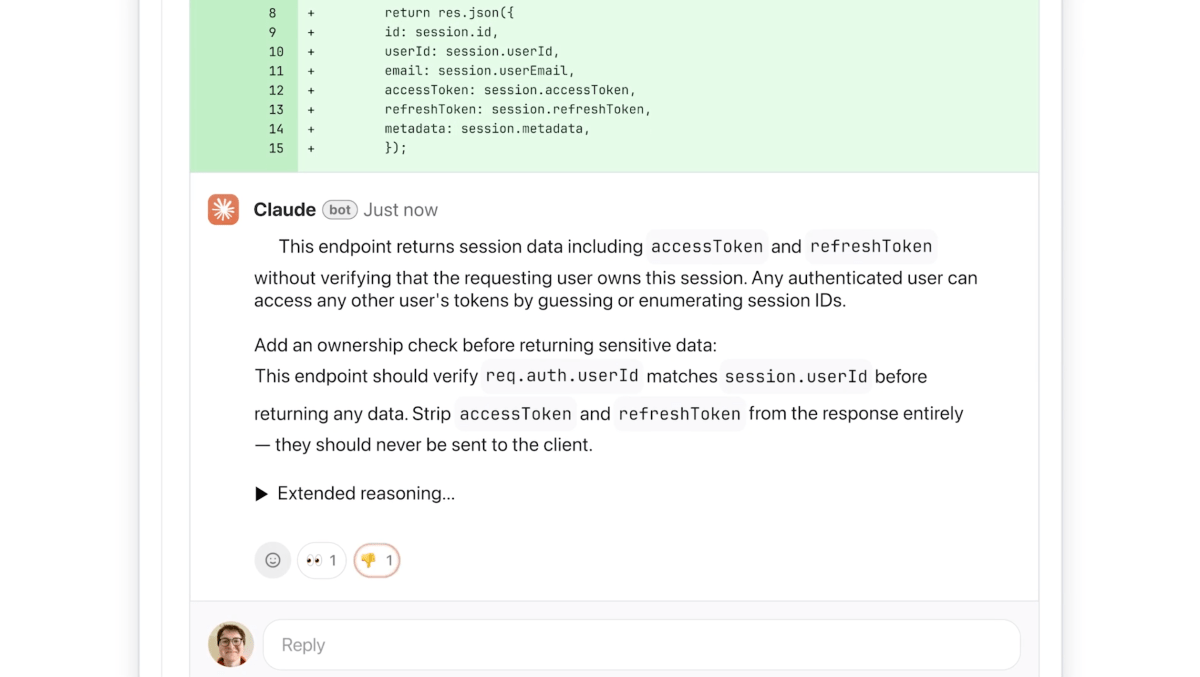
Anthropic launches code review tool to check flood of AI-generated code When it comes to coding, peer feedback is crucial for catching bugs early, maintaining consistency across a codebase, and improving overall software quality. The rise of “vibe coding” — using AI tools that take instructions given in plain language and quickly generate large amounts of code — has changed how...
If you're looking to get your hands on the latest Apple iPhone 17 Pro, T-Mobile is offering a great deal right now. You can receive this new phone for free by trading in an eligible device, like an older smartphone, and signing up for one of their plans called Experience Beyond or Go5G Next. This offer is a fantastic way to upgrade your phone without spending any money upfront. To take...