Night Sky Date and Time: Your Guide to Better Stargazing
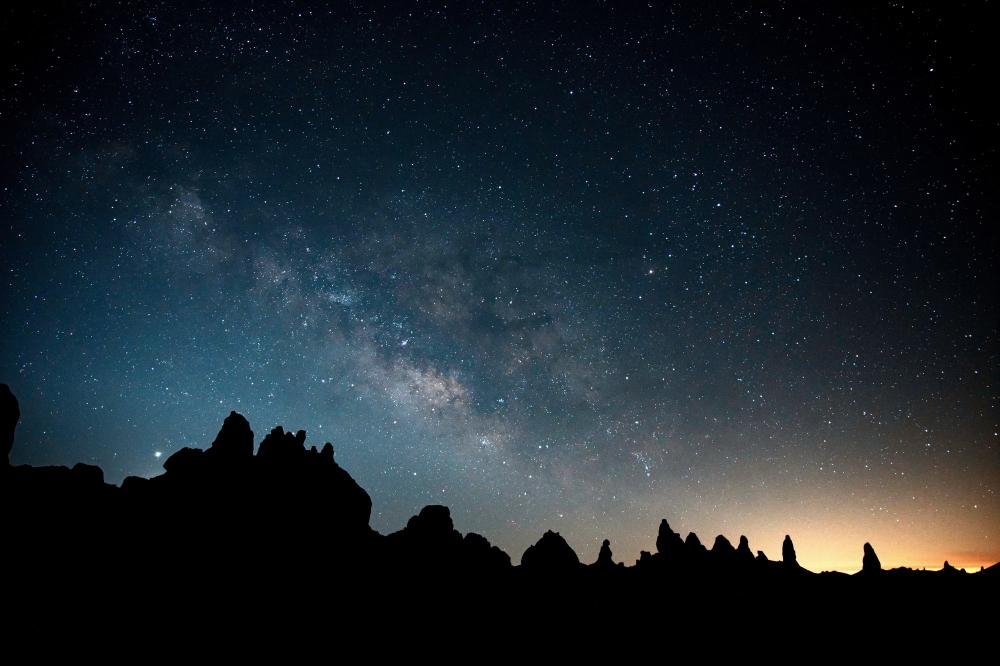
Looking up at the night sky can be an unforgettable experience, but what you see depends greatly on the night sky date and time. The Moon changes its phase, planets move across the sky, and different constellations appear throughout the year. Choosing the correct date and observing at the right time can dramatically improve your chances of seeing fascinating celestial objects.
Whether you're an amateur astronomer, photographer, student, or someone who simply enjoys spending time outdoors, understanding how the night sky changes can make every observation more rewarding.
Why the Night Sky Changes
The night sky is never exactly the same from one evening to the next. Earth's rotation causes celestial objects to rise and set each day, while Earth's orbit around the Sun changes which constellations are visible during different seasons. The Moon also completes its cycle in about 29.5 days, creating a different appearance throughout the month.
Because of these natural movements, the night sky date and time determine:
- Which planets are visible
- The Moon's current phase
- Seasonal constellations
- Meteor shower activity
- Overall sky brightness
Even observing one or two hours later can produce a noticeably different view.
What Can You Observe?
On a clear night, there are many fascinating celestial objects that may be visible depending on your location and the season.
These include:
- The Moon
- Bright planets
- Constellations
- Star clusters
- The Milky Way
- Meteors
- Artificial satellites
- Deep-sky objects through telescopes
Bright planets such as Venus, Mars, Jupiter, and Saturn are often visible without special equipment during favorable viewing periods, while Uranus and Neptune generally require binoculars or a telescope.
Factors That Affect Visibility
Several natural and environmental conditions influence what you can see.
Weather
Clouds, humidity, and haze can block celestial objects. Clear skies provide the best viewing conditions.
Moon Brightness
A bright Full Moon creates additional natural light, making faint stars and galaxies harder to observe. Many experienced skywatchers prefer observing deep-sky objects during the New Moon.
Light Pollution
Artificial lighting from cities reduces the number of visible stars. Research shows that light pollution affects most of the world's population and limits naked-eye views of the Milky Way.
Observation Time
Some planets appear shortly after sunset, while others rise later during the night or just before sunrise. Choosing the proper observation time greatly improves visibility.
Explore the Night Sky with WorldTimeAI
If you want an easier way to explore the night sky date and time, WorldTimeAI provides interactive astronomy tools that help you understand what's visible from your location.
The platform includes:
- Interactive night sky maps
- Live planet visibility
- Moon phase tracking
- Sky observation tools
- World clocks
- Time zone utilities
You can explore the Night Sky tool here:
https://worldtimeai.com/night.html
The platform combines astronomy resources with practical time-management tools, making it useful for both beginners and experienced observers.
Tips for Better Stargazing
To enjoy a clearer view of the night sky, follow these simple tips:
- Choose a location away from city lights.
- Check the weather forecast before observing.
- Allow your eyes 20–30 minutes to adapt to darkness.
- Use binoculars for improved viewing.
- Observe during the recommended time for specific planets.
- Plan around the Moon's phase for darker skies.
Small adjustments in timing and location can significantly improve your viewing experience.
Who Can Benefit?
Understanding the night sky date and time is valuable for many people, including:
- Amateur astronomers
- Students
- Teachers
- Astrophotographers
- Campers
- Travelers
- Science enthusiasts
- Families exploring astronomy
Whether you're identifying constellations, photographing the Moon, or simply enjoying a peaceful evening outdoors, accurate night sky information helps you make the most of every observation.
Conclusion
The night sky date and time play a crucial role in determining what celestial objects are visible on any given evening. Planet positions, moon phases, seasonal constellations, and observing conditions all change throughout the year, making proper planning essential for successful stargazing.
WorldTimeAI offers an easy way to explore the night sky with interactive maps, live planet visibility, moon phase tracking, and useful time-management tools. Whether you're new to astronomy or an experienced skywatcher, the platform helps you discover and enjoy the wonders of the universe.
Sponsorizzato
Sponsorizzato
Sponsorizzato
Sponsorizzato
Pubblicità
Categorie
Leggi tutto
From mall to torture site: Venezuela debates El Helicoide prison's future Venezuela's National Intelligence Service headquarters, known as El Helicoide, stands in front of La Cota 905 neighborhood in Caracas, Venezuela, Sept. 12, 2022....

Unlike many startups that may be built on trendy ideas without much experience, Eridu brings a wealth of knowledge to the table. Perkins and his team are focused on creating advanced networking technology that could make a real difference in how we connect and communicate. With this substantial financial backing, Eridu is poised to make an impact in the tech world, and many are eager to see...
Blue Origin reportedly raising $10B at $130B valuation In Brief Posted: 7:04 AM PDT · July 8, 2026 Image Credits:Blue Origin Billionaire Jeff Bezos’ space rocket company Blue Origin is raising $10 billion at a $130 billion pre-money valuation from Coatue Asset Management, Bezos himself, and other large investors, The New York Times...
Doom’s new expansion shows just what makes id Software specialThis week should have been a celebration for Doom developer id Software. The studio just launched Revelations, a meaty expansion for Doom: The Dark Ages that adds a powerful new weapon and more demonic levels to blast through. Even though I hadn’t picked up The Dark Ages for more than a year, it only took moments before I fell right...

Ebola risk raised to 'very high' in DR CongoReutersThere are now almost 750 suspected Ebola cases in the Democratic Republic of CongoThe public health risk from the current Ebola outbreak in the Democratic Republic of Congo has been increased from "high" to "very high" by the World Health Organization (WHO).In an update on Friday, the WHO's head Dr Tedros Adhanom Ghebreyesus also said the risk...