


The Ultimate Guide to Finding the Right Self-Storage Facility
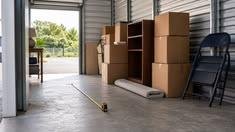
Finding the right self-storage facility is more than choosing the closest location. The quality of the facility directly affects the safety, condition, and accessibility of valuable belongings.
Whether someone is moving, downsizing, renovating, or simply creating extra space at home, choosing the right storage provider can save money, reduce stress, and protect possessions for the long term.
Why Choosing the Right Storage Facility Matters
Self-storage has become an essential service across the United States. According to industry research, the U.S. self-storage market generates tens of billions of dollars annually and serves millions of households and businesses. As more people relocate, work remotely, or downsize their living spaces, the demand for reliable storage continues to grow.
However, not every storage facility offers the same level of security, cleanliness, or customer service.
A poor decision can lead to:
-
Unexpected monthly fees
-
Water or moisture damage
-
Pest infestations
-
Limited access hours
-
Poor security
-
Difficulty retrieving belongings
Taking time to compare options before signing a rental agreement helps avoid unnecessary problems later.
One useful resource for comparing moving and relocation information is My Moving Journey, a moving directory and resource website that provides practical guidance for people planning residential or long-distance moves.
Understand Why Storage Is Needed
Every storage situation is different.
Before selecting a facility, it helps to determine exactly what will be stored and for how long.
Common reasons people rent storage include:
-
Moving between homes
-
Home remodeling projects
-
College students storing belongings
-
Military deployment
-
Business inventory storage
-
Seasonal decorations
-
Furniture during downsizing
-
Estate management
The purpose often determines the type of storage unit that makes the most sense.
Choose the Right Storage Unit Size
Renting the wrong size is one of the most common mistakes.
A unit that's too small creates unnecessary frustration, while one that's too large results in paying for unused space every month.
Typical storage sizes include:
5×5 Unit
Suitable for:
-
Boxes
-
Small furniture
-
Personal belongings
-
Seasonal items
5×10 Unit
Works well for:
-
Studio apartment contents
-
Mattress sets
-
Small appliances
-
Office supplies
10×10 Unit
Usually accommodates:
-
One-bedroom apartment furniture
-
Appliances
-
Multiple large boxes
10×20 or Larger
Ideal for:
-
Multi-bedroom homes
-
Business inventory
-
Large furniture
-
Vehicle storage
Many facilities provide online size calculators that simplify the selection process.
Prioritize Security Features
Security should never be treated as an optional feature.
Professional storage facilities invest heavily in protecting customer belongings.
Important security features include:
-
24/7 video surveillance
-
Electronic gate access
-
Individual unit alarms
-
Bright exterior lighting
-
On-site management
-
Secure perimeter fencing
-
Well-maintained locks
-
Limited visitor access
Facilities with visible security measures often discourage theft before it occurs.
Consider Climate-Controlled Storage
Climate-controlled storage isn't necessary for every item, but it becomes extremely valuable for sensitive belongings.
Temperature and humidity fluctuations can damage:
-
Wooden furniture
-
Electronics
-
Musical instruments
-
Artwork
-
Leather goods
-
Important documents
-
Photographs
-
Antiques
Climate-controlled units maintain a more consistent environment throughout the year, reducing the risk of warping, mold, and moisture-related damage.
Compare Pricing Beyond the Monthly Rate
The lowest advertised price isn't always the most affordable option.
Many facilities charge additional fees that increase the overall cost.
Potential expenses include:
-
Administration fees
-
Lock purchases
-
Mandatory insurance
-
Security deposits
-
Late payment penalties
-
Access fees
-
Move-in charges
Reading the rental agreement carefully prevents unexpected surprises.
Evaluate Accessibility
Convenience matters, especially for customers who expect to visit their storage unit regularly.
Questions worth asking include:
-
Is access available 24 hours?
-
Are weekend hours offered?
-
Can large moving trucks enter easily?
-
Are elevators available for upper floors?
-
Are carts or dollies provided?
-
Is parking convenient?
A slightly more expensive facility with better accessibility can provide greater long-term value.
Read Customer Reviews Carefully
Online reviews often reveal details that advertisements leave out.
Rather than focusing only on overall ratings, look for recurring themes.
Positive signs include:
-
Friendly staff
-
Clean property
-
Responsive management
-
Secure environment
-
Transparent pricing
Warning signs may include:
-
Billing disputes
-
Pest issues
-
Water leaks
-
Broken security gates
-
Poor maintenance
-
Difficult cancellation policies
Looking at reviews across multiple trusted platforms provides a more balanced perspective.
Visit the Facility Before Renting
Photos on a website don't always reflect current conditions.
An in-person visit helps verify whether the property is properly maintained.
During the visit, pay attention to:
-
Overall cleanliness
-
Lighting
-
Drainage
-
Security cameras
-
Hallway condition
-
Unit doors
-
Roof condition
-
Customer service
Professional facilities are generally clean, organized, and well maintained.
Ask About Insurance Coverage
Many renters mistakenly believe the storage facility automatically insures stored belongings.
In reality, most facilities require customers to carry insurance separately.
Coverage may come from:
-
Homeowners insurance
-
Renters insurance
-
Storage insurance plans
-
Third-party insurance providers
Understanding coverage before moving items into storage helps reduce financial risk.
Compare Multiple Facilities Before Deciding
Making comparisons leads to better decisions.
Instead of choosing the first available option, evaluate several facilities based on:
-
Security
-
Pricing
-
Customer reviews
-
Unit sizes
-
Climate control
-
Accessibility
-
Location
-
Contract flexibility
People researching the best self-storage companies in USA can benefit from reviewing trusted comparisons that examine features, pricing, customer experiences, and nationwide availability before making a final choice.
Avoid Common Storage Mistakes
Many storage problems are preventable.
Some of the most frequent mistakes include:
-
Choosing the cheapest facility without researching it
-
Renting the wrong unit size
-
Ignoring climate control needs
-
Forgetting insurance
-
Packing items poorly
-
Blocking access to frequently used belongings
-
Failing to label boxes
-
Skipping a facility inspection
A little preparation makes storage far more efficient and secure.
Packing Tips That Protect Belongings
Proper packing extends the life of stored items.
Experts recommend:
-
Using sturdy moving boxes
-
Labeling every container clearly
-
Wrapping furniture with protective covers
-
Keeping heavy boxes on the bottom
-
Leaving walkways inside larger units
-
Elevating items slightly off concrete floors
-
Storing valuable documents in waterproof containers
Organized packing also makes retrieval much easier months later.
Signs of a High-Quality Self-Storage Facility
Reliable facilities typically share several characteristics.
These include:
-
Transparent pricing
-
Professional customer service
-
Clean surroundings
-
Modern security systems
-
Flexible rental options
-
Well-maintained units
-
Positive customer feedback
-
Convenient access
Choosing a facility with these qualities significantly reduces the likelihood of future issues.
Final Thoughts
Finding the right self-storage facility requires more than comparing monthly rental prices. Security, accessibility, cleanliness, customer service, insurance options, and unit quality all contribute to a better storage experience.
By carefully evaluating facilities, asking the right questions, and planning ahead, individuals can confidently select a storage solution that protects their belongings while providing convenience and peace of mind. A thoughtful decision today can prevent unnecessary expenses and complications in the future, making self-storage a practical and reliable solution for both short-term and long-term needs.
Sponsorizzato
Sponsorizzato
Sponsorizzato
Sponsorizzato
Pubblicità
Categorie
Leggi tutto
Tata Electronics, a major tech supplier to Apple and Tesla, confirms data breach Tata Electronics, an Indian electronics and semiconductor manufacturer and a key supplier to Apple and Tesla, among other tech giants, confirmed a data breach weeks after files purportedly obtained from the company appeared on a hacker forum. The confirmation comes as the hacker forum listing claims to offer more...

Think AI Can Do Your Taxes? The IRS Might Disagree Cole Kan/CNET/GettyFiling taxes is painful enough that many people would happily hand the job to a robot. In the age of generative AI, where chatbots can crank out a decent-sounding school essay in under a minute, it's tempting to think your tax return could be next. There's just one small problem. The Internal Revenue...

Fears of renewed Gaza war as Hamas disarmament talks stall18 minutes agoYolande Knell,Middle East correspondent, JerusalemandRushdi Abualouf,Gaza correspondent, IstanbulGetty ImagesThe Israeli military and Hamas have accused each other of violating October's ceasefire dealCeasefire talks between Israel and Hamas have stalled, and Gaza risks sliding back into war.This week an Israeli air strike...

Path of Exile 2 (PoE 2) offers a wealth of build options for warriors, but few are as satisfying and versatile as the Slam Titan. Designed around earth-shattering slam attacks, unbreakable defenses, and seamless mobility, this build excels in both campaign leveling and endgame mapping-making it perfect for new players and Poe 2 trade veterans alike. The Slam Titan leverages the...

‘No company is going to go to jail for you’: Proton’s CTO on balancing privacy, policy, and trustToday on Decoder, we’ve got the first of a two-part series on the systems that run the world: I’m talking with Bart Butler, the CTO of Proton, the company that makes private and secure productivity software.You probably know it best for Proton Mail, which is encrypted by default, but the company...

