How does a Modular Ophthalmic Operation Theatre help prevent infections?
INTRODUCTION
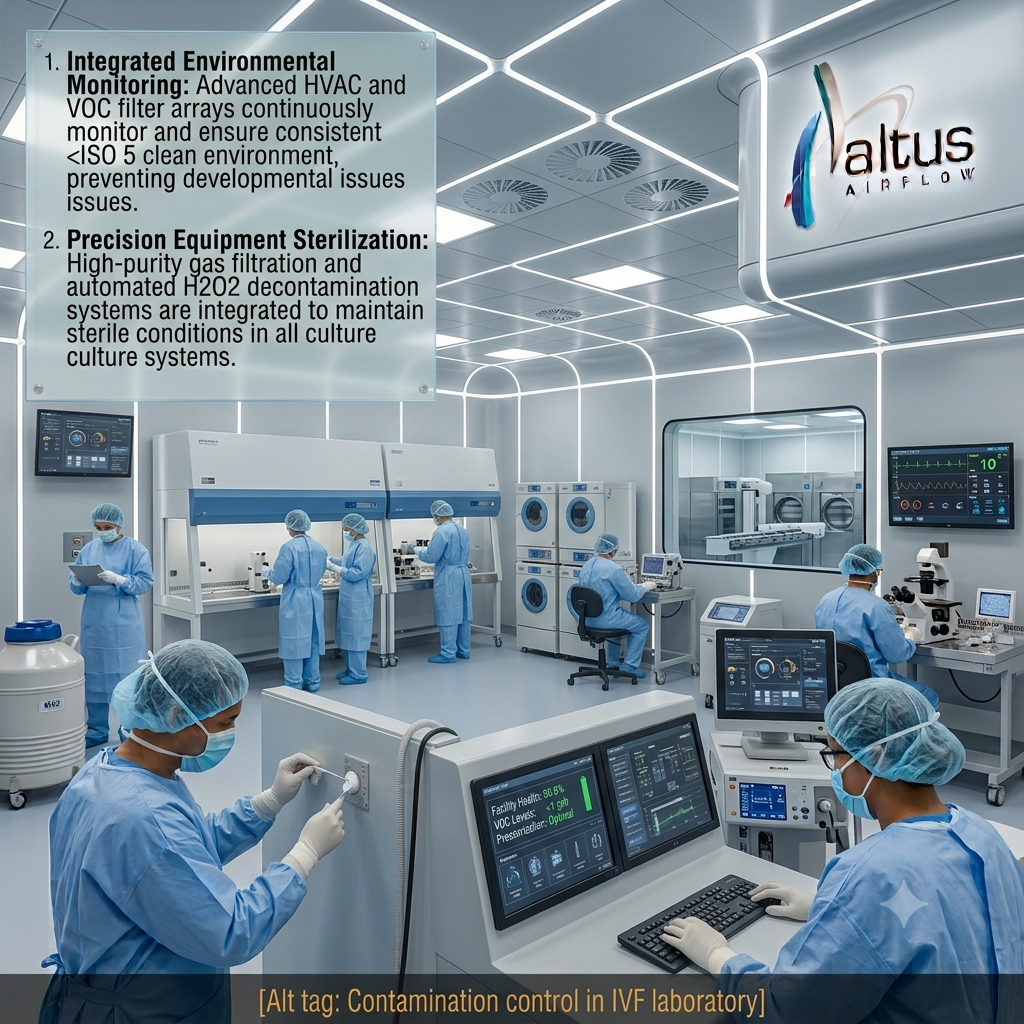
A Modular Ophthalmic Operation Theatre is specifically designed to create a sterile, contamination-controlled environment for delicate eye surgeries. Since ophthalmic procedures involve highly sensitive tissues, even minimal microbial contamination can increase the risk of post-operative infections and complications. Modern Modular Ophthalmic Operation Theatre solutions combine advanced cleanroom engineering, laminar airflow technology, HEPA filtration, positive air pressure, seamless hygienic surfaces, controlled environmental conditions, and strict zoning practices to minimize airborne contaminants and maintain exceptional sterility. By integrating specialized HVAC systems, antimicrobial construction materials, and optimized surgical workflows, a Modular Ophthalmic Operation Theatre significantly reduces infection risks, enhances patient safety, and supports successful surgical outcomes.
As healthcare facilities continue to prioritize infection prevention and quality care, modular ophthalmic operation theatres have become the preferred choice for hospitals and eye care centers seeking reliable, high-performance surgical environments. This blog explains how these advanced operation theatres help prevent infections and maintain the highest standards of sterility.
Why Infection Control Is Critical in Ophthalmic Surgery
Eye surgeries require exceptional precision and a contamination-free environment. Post-operative infections can lead to delayed healing, vision impairment, and additional medical interventions.
Effective infection prevention helps:
- Protect patients from surgical site infections
- Improve surgical outcomes
- Reduce complications
- Enhance patient confidence
- Support faster recovery
- Maintain hospital quality standards
A well-designed operation theatre is the first step toward achieving these goals.
Advanced Laminar Airflow Systems
Laminar airflow technology is one of the most important infection control features.
It provides:
- Uniform airflow across the surgical area
- Continuous removal of airborne particles
- Reduced turbulence
- Cleaner operating conditions
- Stable air circulation
This controlled airflow minimizes the movement of contaminants within the operating theatre.
High-Efficiency HEPA Filtration
HEPA filters play a vital role in maintaining clean air.
These filters help by:
- Removing airborne particles
- Reducing microbial contamination
- Improving air quality
- Maintaining clean surgical environments
- Supporting continuous sterile airflow
Properly maintained HEPA filtration significantly lowers the risk of airborne contamination.
Positive Pressure Ventilation
Positive pressure prevents contaminated air from entering the operating theatre.
Benefits include:
- Outward airflow when doors open
- Prevention of external contamination
- Cleaner surgical environment
- Stable air quality
Positive pressure is an essential component of infection prevention.
Advanced HVAC Systems
Specialized HVAC systems regulate environmental conditions.
Key functions include:
- Temperature control
- Humidity management
- Air pressure balancing
- Fresh air circulation
- Controlled air changes
Stable environmental conditions support both patient safety and surgical precision.
Seamless Wall Panels
Modular wall systems eliminate joints where microorganisms can accumulate.
Advantages include:
- Smooth surfaces
- Easy cleaning
- Reduced dust collection
- Better hygiene
- Long-term durability
Seamless construction simplifies routine cleaning and disinfection.
Hygienic Modular Ceilings
Modern modular ceilings are designed to minimize contamination.
Features include:
- Smooth finishes
- Dust-resistant surfaces
- Secure sealing
- Easy maintenance
These ceilings contribute to an overall sterile environment.
Medical-Grade Flooring
Flooring is another important infection control component.
Preferred materials provide:
- Seamless installation
- Chemical resistance
- Easy cleaning
- Moisture resistance
- Long service life
Seamless flooring reduces the possibility of bacterial growth.
Hermetically Sealed Doors
Specialized doors help preserve the controlled environment.
Benefits include:
- Airtight sealing
- Pressure retention
- Reduced air leakage
- Controlled access
This helps maintain cleanroom conditions throughout surgical procedures.
Controlled Air Changes
Frequent air replacement improves environmental cleanliness.
Proper air changes:
- Remove airborne contaminants
- Maintain oxygen levels
- Improve air freshness
- Support filtration performance
Controlled ventilation strengthens infection prevention.
Cleanroom Engineering Principles
A Modular Ophthalmic Operation Theatre follows cleanroom engineering concepts.
These include:
- Controlled airflow
- Environmental zoning
- Contamination control
- Surface hygiene
- Air quality management
Cleanroom principles provide a consistently sterile surgical environment.
Optimized Surgical Workflow
Efficient workflow reduces unnecessary movement inside the theatre.
Professional layouts include:
- Organized equipment positioning
- Dedicated sterile zones
- Clear staff movement paths
- Efficient storage areas
Reduced movement lowers the possibility of contamination.
Separate Sterile and Non-Sterile Zones
Proper zoning improves infection control.
Typical zones include:
- Sterile operating area
- Equipment preparation area
- Utility space
- Staff access area
Controlled zoning limits cross-contamination.
Easy-to-Clean Surfaces
Every surface should support effective cleaning.
Materials are selected for:
- Smooth finishes
- Chemical resistance
- Moisture resistance
- Long-term durability
Routine cleaning becomes faster and more effective.
Antimicrobial Materials
Many modular components are manufactured using hygienic materials that discourage microbial growth.
Benefits include:
- Improved cleanliness
- Lower contamination risk
- Easier maintenance
- Enhanced durability
These materials complement routine infection control procedures.
Environmental Monitoring
Continuous monitoring helps maintain ideal operating conditions.
Important parameters include:
- Temperature
- Humidity
- Differential pressure
- Air quality
Monitoring ensures environmental stability throughout surgical operations.
Sterile Equipment Integration
Proper equipment planning supports infection prevention.
Commonly integrated systems include:
- Surgical lights
- Operating microscopes
- Medical gas outlets
- Control panels
- Electrical systems
Thoughtful integration minimizes clutter and simplifies cleaning.
Validation and Performance Testing
Every operation theatre should undergo comprehensive validation before use.
Testing commonly includes:
- HEPA filter integrity testing
- Airflow verification
- Pressure differential testing
- Temperature mapping
- Humidity verification
Validation confirms that the theatre performs according to design specifications.
Staff Safety and Infection Prevention
Well-designed operating theatres also improve staff safety.
Benefits include:
- Cleaner air
- Comfortable working conditions
- Reduced exposure to contaminants
- Better workflow efficiency
Healthy staff contribute to safer patient care.
Regulatory Compliance
Professional modular operation theatres are designed to support applicable healthcare and cleanroom standards.
Compliance focuses on:
- Environmental control
- HVAC performance
- Air filtration
- Safety requirements
- Quality management
Meeting recognized standards improves reliability and operational confidence.
Long-Term Operational Benefits
Infection control measures also provide long-term advantages.
These include:
- Lower maintenance costs
- Improved equipment lifespan
- Consistent environmental performance
- Reduced downtime
- Better patient satisfaction
A properly engineered operation theatre remains effective for many years.
Benefits of a Modular Ophthalmic Operation Theatre for Infection Prevention
Choosing a professionally designed Modular Ophthalmic Operation Theatre offers numerous advantages:
- Superior contamination control
- Advanced laminar airflow technology
- HEPA-filtered clean air
- Positive pressure ventilation
- Optimized HVAC systems
- Seamless hygienic construction
- Efficient surgical workflow
- Enhanced patient safety
- Easier cleaning and maintenance
- Regulatory compliance
- Reliable long-term performance
These features work together to create a safe, sterile, and efficient surgical environment.
Conclusion
A Modular Ophthalmic Operation Theatre plays a crucial role in preventing infections by combining advanced laminar airflow systems, HEPA filtration, positive pressure ventilation, cleanroom engineering, seamless hygienic construction, environmental monitoring, and optimized surgical workflows. These integrated systems significantly reduce airborne contamination, maintain sterile operating conditions, and improve overall patient safety during delicate ophthalmic procedures. By investing in professionally engineered modular operation theatres, hospitals and eye care centers can achieve higher standards of infection control, operational efficiency, and long-term reliability. For customized modular ophthalmic operation theatre solutions with advanced cleanroom engineering and turnkey execution, Altus Airflow provides comprehensive infrastructure tailored to modern healthcare requirements.
Frequently Asked Questions
1. How does a Modular Ophthalmic Operation Theatre reduce infection risks?
A Modular Ophthalmic Operation Theatre reduces infection risks through laminar airflow systems, HEPA filtration, positive pressure ventilation, seamless hygienic surfaces, and advanced HVAC engineering that maintain a sterile surgical environment.
2. Why is HEPA filtration important in a Modular Ophthalmic Operation Theatre?
HEPA filtration in a Modular Ophthalmic Operation Theatre removes airborne particles and helps maintain clean air, reducing the possibility of contamination during ophthalmic surgeries.
3. Does a Modular Ophthalmic Operation Theatre include laminar airflow technology?
Yes. A Modular Ophthalmic Operation Theatre incorporates laminar airflow technology to provide uniform airflow, reduce airborne contaminants, and support infection control during surgical procedures.
4. How does positive pressure improve infection control in a Modular Ophthalmic Operation Theatre?
Positive pressure in a Modular Ophthalmic Operation Theatre prevents contaminated air from entering the operating room by ensuring clean air flows outward whenever doors are opened.
5. What are the benefits of installing a Modular Ophthalmic Operation Theatre?
A Modular Ophthalmic Operation Theatre offers superior infection prevention, improved air quality, advanced HVAC systems, easier maintenance, enhanced patient safety, efficient workflow, regulatory compliance, and long-term operational reliability.
Read Our Previous Blog------>What are the benefits of choosing a professional Laminar Airflow System Engineering Company?
Commandité
Commandité
Commandité
Commandité
Annonces
Catégories
Lire la suite
HBO Max: The 32 Absolute Best TV Shows to WatchHBO Max is home to fan favorites, including Succession and Game of Thrones, but you may not be as familiar with newer options on the service that deliver to the streaming masses.The medical series The Pitt returned for Season 2 in January, following its 2025 launch and best drama win at the Emmys. Other recently released shows include Tim...

Samsung's 2026 Frame TV Debuts Without Separate Breakout BoxSamsung has opened its gallery of new Art TVs, which includes updated versions of the Frame and Frame Pro. One of the biggest changes is that the base model gets rid of the separate connect box. Both models will be available in sizes between 55 and 85 inches.The Frame in 2026 has its connections built in, unlike previous...

North Korean side to make rare trip to South KoreaA team of North Korean footballers will make a rare visit to South Korea later this month.North Korean side Naegohyang will cross the border to play Suwon in the Asian Women's Champions League semi-final on 20 May.Pyongyang has sent a list of 27 players and 12 staff who will make the visit.South Korea's Unification Ministry has confirmed the...

DoorDash’s new AI chatbot lets you order with prompts and photos DoorDash announced on Thursday that it’s launching a new AI chatbot that lets users order food and groceries with text prompts and photos in its latest AI push. The chatbot, called “Ask DoorDash,” allows users to search the app for what they’re looking for in their own words instead of having to scroll through restaurants and...

What to know about the landmark Warner Bros. Discovery sale The streaming and entertainment industry just witnessed one of its most high-stakes megadeals ever, stunning industry observers. Not only is it historic in its size, but it is also predicted to disrupt Hollywood and the media business as we know it. After years of Warner Bros. Discovery struggling under the weight of billions of...