


How Industrial Racking Improves Warehouse Storage Efficiency
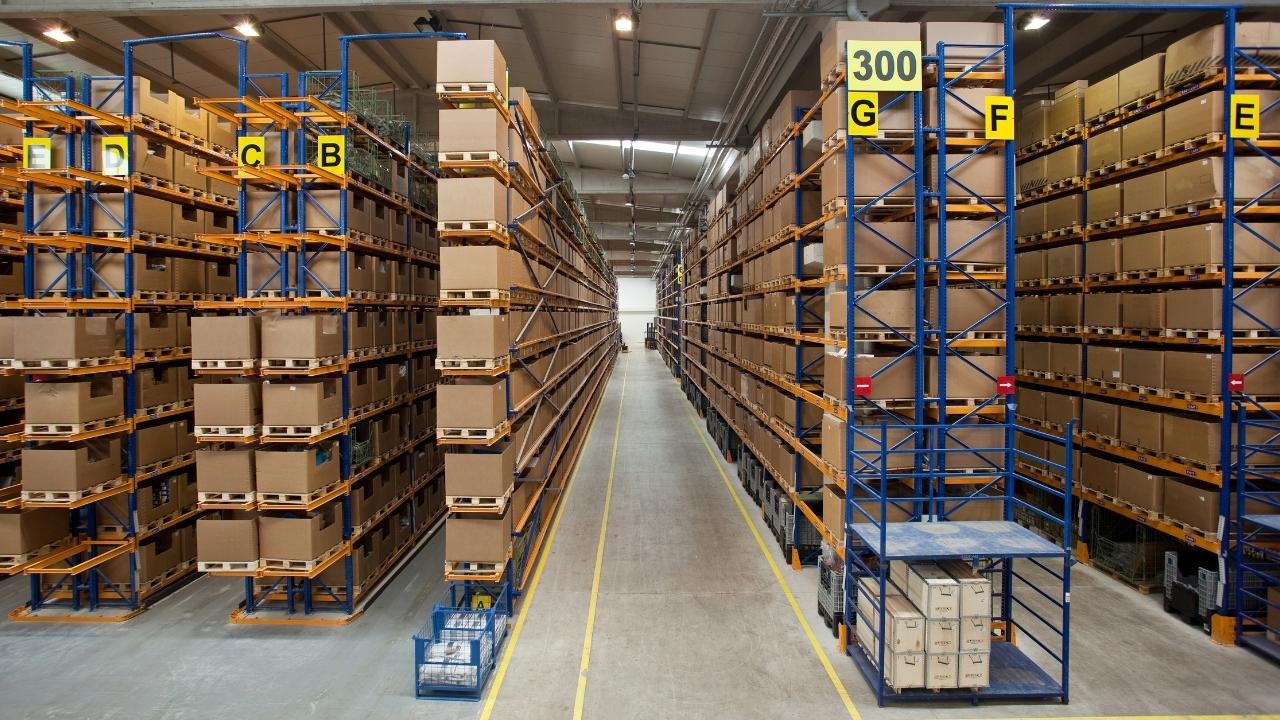
industrial racking can transform how warehouses use available space, organize inventory, and manage daily operations. By using vertical storage effectively, businesses can improve accessibility, reduce clutter, and create a more systematic warehouse environment. Master Racks Limited can help businesses explore suitable storage solutions based on their operational requirements.
Understanding Warehouse Storage Efficiency
Warehouse storage efficiency is not simply about fitting more products into a facility. It is about using available space intelligently while keeping products accessible, organized, and safe.
A poorly organized warehouse can create several challenges. Products may be difficult to locate, aisles may become congested, and employees may spend unnecessary time moving or searching for inventory.
An efficient storage system addresses these problems by creating a clear structure for storing and retrieving goods.
This is where industrial racking becomes particularly useful. Properly designed racking systems can make better use of floor and vertical space while creating designated locations for different types of inventory.
What Is Industrial Racking?
Industrial racking refers to heavy-duty storage structures designed for warehouses, distribution centers, manufacturing facilities, and other commercial environments.
These systems are typically designed to store products on multiple levels. Depending on the warehouse's requirements, they can accommodate pallets, cartons, containers, raw materials, finished goods, and other inventory.
Common types of warehouse racking include:
-
Selective pallet racking
-
Drive-in racking
-
Double-deep racking
-
Cantilever racking
-
Long-span shelving
-
Heavy-duty shelving
-
Mezzanine storage systems
-
Mobile racking
-
Multi-tier racking
Each system has different characteristics and applications.
The right choice depends on factors such as product type, available space, inventory turnover, load requirements, handling equipment, and warehouse layout.
1. Maximizing Vertical Warehouse Space
One of the biggest advantages of a properly designed racking system is its ability to use vertical space.
Traditional floor storage often leaves significant unused space above the products. A well-planned rack system allows businesses to store goods at different heights.
This can significantly increase the amount of usable storage capacity within the same building footprint.
Why Vertical Storage Matters
Warehouse floor space can be limited, particularly in busy industrial environments.
Instead of expanding horizontally, businesses can use the available height of the facility.
Vertical storage can help create multiple storage levels while keeping products organized and accessible.
This makes the warehouse more productive without requiring every item to occupy floor-level space.
2. Improving Inventory Organization
An organized warehouse is easier to manage.
When products are placed randomly, employees may spend additional time searching for specific items. This can slow down picking, packing, receiving, and dispatch operations.
Racking systems create defined storage locations.
Products can be arranged according to:
-
Product category
-
SKU
-
Size
-
Weight
-
Demand
-
Batch
-
Frequency of movement
-
Storage requirements
This structured approach makes it easier for employees to identify where products belong.
Creating a Logical Storage Layout
A warehouse layout should support the way inventory moves through the facility.
Fast-moving products may be positioned in locations that are easy to access, while slower-moving goods can be stored in less accessible areas.
This type of planning can reduce unnecessary movement and improve operational efficiency.
3. Making Better Use of Floor Space
Floor space is one of the most valuable resources in a warehouse.
When inventory is stored directly on the floor, products may occupy large areas without making effective use of the available height.
A racking system allows products to be stored above one another in a structured manner.
This can free up floor space for:
-
Aisles
-
Material handling
-
Packing areas
-
Loading and unloading
-
Workstations
-
Receiving operations
-
Dispatch activities
Better space utilization can make the entire warehouse easier to navigate.
4. Improving Product Accessibility
Warehouse efficiency depends not only on how much inventory can be stored but also on how easily employees can access it.
A suitable racking configuration provides designated storage positions for products.
This can reduce the time required to locate and retrieve inventory.
For warehouses with frequent picking activity, accessibility is particularly important.
A system should be designed around the movement pattern of the products and the equipment used to handle them.
5. Supporting Faster Inventory Handling
Inventory handling involves receiving goods, storing them, picking products, and preparing orders for dispatch.
An inefficient storage system can slow down every stage.
Proper racking can create a more organized flow.
For example, incoming goods can be assigned to designated locations. Employees can then retrieve products from known positions when orders are received.
This reduces unnecessary searching and movement.
Supporting Warehouse Workflow
A well-designed warehouse should have a logical relationship between:
Receiving → Storage → Picking → Packing → Dispatch
Racking systems can be incorporated into this workflow to support smooth movement through the facility.
6. Reducing Warehouse Clutter
Warehouse clutter can create operational problems.
Products stored randomly on the floor can block aisles, make cleaning more difficult, and create confusion about where inventory should be placed.
A structured rack system gives products designated storage positions.
This helps maintain a cleaner and more organized environment.
A well-organized warehouse can also make it easier for employees to identify empty locations, misplaced inventory, and areas requiring attention.
7. Improving Inventory Visibility
Inventory visibility is important for effective warehouse management.
When products have defined storage locations, employees can more easily determine where specific items are stored.
This can support better inventory control.
Businesses can also combine physical racking systems with inventory management software or barcode systems.
For example, each rack position can be assigned a location code. Warehouse staff can then use those codes to identify where products should be stored and retrieved.
This creates a more systematic inventory process.
8. Supporting Different Types of Products
Not every warehouse stores the same type of inventory.
Some businesses handle pallets, while others store cartons, long materials, components, machinery parts, or irregularly shaped products.
Different racking configurations can address different storage requirements.
Pallet Storage
Pallet racking is useful for warehouses that handle palletized products and require organized access to multiple storage locations.
Long or Irregular Materials
Cantilever systems can be useful for storing long products such as pipes, timber, profiles, and other lengthy materials.
Smaller Products
Shelving and smaller-scale storage systems may be more suitable for cartons, components, tools, and smaller inventory.
The storage system should be selected based on the products and handling processes rather than simply choosing the most common rack type.
9. Supporting Better Warehouse Safety
Warehouse safety should always be a major consideration when designing a storage system.
Racking should be properly designed, installed, loaded, and maintained according to the applicable requirements and the manufacturer's specifications.
Employees should understand safe loading practices and the appropriate use of material-handling equipment.
Important Safety Considerations
Businesses should pay attention to:
-
Appropriate load capacity
-
Rack configuration
-
Proper installation
-
Aisle clearance
-
Forklift movement
-
Product placement
-
Rack inspection
-
Damage identification
-
Safe operating procedures
A properly planned storage system can contribute to a more controlled warehouse environment.
Safety should never be sacrificed simply to increase storage capacity.
10. Improving Warehouse Picking Efficiency
Order picking is one of the most important warehouse activities.
Employees need to locate products quickly and accurately.
Poor product placement can increase walking and handling time.
A well-planned rack layout can position frequently picked products in accessible areas.
Organizing Products by Demand
A common approach is to classify products based on their movement frequency.
Fast-moving products can be placed closer to picking areas, while slower-moving products can be positioned farther away.
This can reduce unnecessary travel and support faster order processing.
11. Supporting FIFO and Inventory Rotation
Some businesses need to manage inventory according to specific rotation principles.
For example, products with limited shelf life may require careful stock rotation.
A suitable storage configuration can support inventory management methods such as FIFO, where the first goods stored are prioritized for first retrieval.
The appropriate rack design depends on the nature of the inventory and the operational process.
Businesses should consider inventory rotation when selecting a storage system.
12. Improving Warehouse Space Planning
Racking should not be considered separately from the rest of the warehouse.
It should form part of an overall space-planning strategy.
Before installing a storage system, businesses should evaluate:
-
Building dimensions
-
Ceiling height
-
Column locations
-
Door positions
-
Aisle requirements
-
Forklift movement
-
Loading areas
-
Fire safety considerations
-
Emergency access
-
Inventory characteristics
A professional warehouse layout can balance storage capacity with operational accessibility.
13. Supporting Business Growth
Warehouse requirements can change as a company grows.
A business may start with a relatively small inventory but later handle significantly more products.
A scalable racking system can make it easier to adapt to changing storage requirements.
Planning for Future Capacity
Businesses should consider future needs when designing a warehouse.
Important questions include:
-
Will inventory volume increase?
-
Will new product categories be introduced?
-
Will pallet sizes change?
-
Will handling equipment change?
-
Will the warehouse require additional storage levels?
-
Can the system be expanded?
Planning ahead can help prevent the warehouse from becoming inefficient as operations grow.
14. Reducing Unnecessary Product Movement
Every unnecessary movement within a warehouse can consume time and labor.
If products are stored in inconvenient locations, employees may need to move them multiple times before they reach the dispatch area.
A logical racking layout can reduce unnecessary handling.
Products should ideally move through the warehouse in an organized flow.
This can improve efficiency and reduce congestion.
15. Improving Warehouse Aisle Management
Aisle design is an important part of warehouse efficiency.
Aisles must be wide enough for the equipment being used while avoiding unnecessary empty space.
The appropriate aisle width depends on the type of material-handling equipment and the storage configuration.
A properly planned rack layout can balance storage density with accessibility.
This is particularly important for warehouses using forklifts or other mechanical handling equipment.
16. Supporting Better Inventory Accuracy
Inventory accuracy is essential for businesses that rely on consistent stock availability.
When products have designated rack locations, warehouse employees can more easily identify where inventory should be stored.
This can support cycle counting and stock verification.
A systematic storage arrangement also makes it easier to identify misplaced products.
When combined with appropriate inventory management procedures, structured storage can improve overall stock control.
17. Why Professional Racking Design Matters
Installing racks is not simply a matter of placing metal structures inside a warehouse.
The system should be designed according to the building, products, loads, handling equipment, and operational requirements.
A professional approach considers both storage capacity and workflow efficiency.
The design should also account for safety and future operational needs.
This is where an experienced storage-solution provider can add value.
18. Choosing the Right Racking Solution
Businesses should evaluate several factors before selecting a racking system.
Product Characteristics
Consider product size, weight, shape, packaging, and storage requirements.
Inventory Turnover
Fast-moving and slow-moving products may require different storage positions.
Handling Equipment
Forklifts, pallet trucks, and other equipment can influence rack configuration and aisle requirements.
Available Space
Both floor area and vertical clearance should be considered.
Future Requirements
A scalable system can provide greater flexibility as inventory volumes change.
19. How Master Racks Limited Can Support Warehouse Efficiency
Master Racks Limited can be considered by businesses looking for professional warehouse storage solutions designed around operational requirements.
A suitable racking provider should understand that every warehouse is different.
The right solution should consider the type of products being stored, available space, workflow, handling equipment, storage capacity, and future requirements.
By taking a structured approach to warehouse storage, businesses can create a more organized and efficient working environment.
20. Why Industrial Racking Is a Long-Term Warehouse Investment
A warehouse storage system should be viewed as part of the facility's operational infrastructure.
A well-designed system can support daily activities for years when properly used and maintained.
It can help businesses organize inventory, use vertical space, improve accessibility, and create clearer warehouse workflows.
However, businesses should regularly inspect their storage systems and address damage or changes in operating conditions.
Good maintenance is an important part of maintaining an effective warehouse.
21. Common Mistakes When Planning Warehouse Racking
Businesses can reduce potential problems by avoiding common planning mistakes.
These include:
-
Focusing only on storage capacity
-
Ignoring workflow
-
Failing to consider vertical space
-
Choosing a system without evaluating products
-
Creating inefficient aisle layouts
-
Ignoring future expansion
-
Overlooking safety requirements
-
Failing to inspect racks regularly
-
Placing fast-moving inventory in inconvenient locations
A successful warehouse layout balances capacity, accessibility, safety, and efficiency.
22. Measuring the Impact of Better Storage
After implementing a new storage system, businesses can monitor several performance indicators.
These may include:
-
Storage capacity
-
Picking time
-
Product retrieval time
-
Inventory accuracy
-
Warehouse travel distance
-
Floor-space utilization
-
Order processing efficiency
-
Product damage
-
Aisle congestion
Tracking these indicators can help businesses determine whether their storage system is meeting operational goals.
23. The Future of Warehouse Storage
Warehouse operations are becoming increasingly organized and technology-driven.
Businesses are combining physical storage systems with inventory management software, barcode systems, warehouse management systems, automation, and data-driven planning.
Racking remains an important part of this ecosystem.
A well-designed physical storage system provides the foundation on which many digital warehouse processes operate.
As businesses adopt more advanced technologies, organized storage will continue to play an important role in warehouse efficiency.
Conclusion
industrial racking can improve warehouse storage efficiency by maximizing vertical space, organizing inventory, improving accessibility, supporting faster picking, and reducing unnecessary movement. A properly planned system can also support safety and future growth. Master Racks Limited can be considered by businesses seeking practical warehouse storage solutions tailored to their operational requirements.
Patrocinados
Publicaciones
Publicaciones
Publicaciones
Categorías
Read More
Greetings from Paris, where an art installation transformed the Pont Neuf into a rocky cave If ever Paris needed a place to cocoon, it was the last week of June. The week that the city turned into one giant sauna, when temperatures reached 106 degrees Fahrenheit. The week that I got into a fight on a bus with a group of...

AI Toys Can Pose Safety Concerns for Children, New Study Suggests Caution When one child told the toy, "I love you," it responded, "As a friendly reminder, please ensure interactions adhere to the guidelines provided." A new study from the University of Cambridge found that AI-enabled toys for young children can misinterpret emotional cues and are ineffective at supporting...

Salt Typhoon is hacking the world’s phone and internet giants. Here’s everywhere that’s been hit. Salt Typhoon is behind one of the broadest hacking campaigns in recent years, targeting some of the world’s largest phone and internet companies and stealing tens of millions of phone records about senior government officials. The hacking group, attributed to China, is part of a wider cluster of...

I Tested Google's Biggest Pixel 10A Rival and It's a Colorful BargainI gave last year's Nothing Phone 3A Pro a coveted CNET Editors' Choice Award, so the Nothing Phone 4A Pro had some really big shoes to fill. It makes some dramatic changes to the design, but the new phone packs in a hell of a lot to maintain its predecessor's reputation. From its solid performance to its well-rounded camera...

The death toll climbs from Monday's 7.4 magnitude earthquake in Colombia Hundreds of rescue workers have been deployed in hardest hit cities trying to free victims still trapped under the rubble. Hundreds of people are still missing. Transcript AILSA CHANG, HOST: The death toll from the powerful earthquake that hit western Colombia on...

