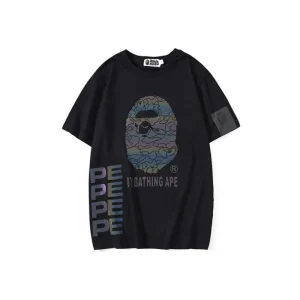
Digital Printing on Fabric: Process, Technology, and Benefits

Digital printing on fabric is a textile printing technique that transfers digital artwork directly onto fabric using specialized inkjet equipment. Instead of relying on physical screens or engraved rollers, the printer reads a digital design and places tiny droplets of ink precisely where they are required. This makes the method suitable for intricate patterns, photographs, gradients, logos, and customized textile designs.
The growing use of Digital printing on fabric reflects changes in how textiles are designed, sampled, and manufactured. Fashion brands, interior designers, sportswear companies, promotional businesses, and independent creators can produce smaller quantities without the extensive setup sometimes required by conventional printing. The technology offers flexibility, but print quality still depends on several factors, including fabric composition, ink selection, pretreatment, color control, and post-printing fixation.
What Is Digital Printing on Fabric?
Digital fabric is comparable to inkjet printing on paper, but textile printers are engineered to accommodate fabric widths, textile movement, and specialized inks. The digital artwork is processed by software that controls the print heads and determines where ink droplets are deposited.
The ink does not work identically on every material. Cotton, polyester, silk, nylon, viscose, and blended fabrics have different structures and chemical properties. Therefore, the printing technology must be matched to the fiber.
Some fabrics require pretreatment before printing. After printing, the textile may need steaming, heat curing, washing, or other finishing procedures to fix the color and achieve the required durability.
How Does Digital Fabric Printing Work?
Preparing the Digital Artwork
Production starts with a digital design. It can be a photograph, illustration, logo, repeating pattern, or custom graphic. The artwork is checked for image resolution, dimensions, color settings, and repeat alignment.
Color management is especially important because colors seen on a monitor do not always match the final printed textile. Professional production often uses calibrated equipment, appropriate color profiles, and physical samples to improve consistency.
Preparing the Fabric
The textile must be clean and properly positioned before entering the printer. Depending on the ink system, it may require chemical pretreatment.
Pretreatment influences how ink interacts with the fibers. Proper treatment can improve color penetration, sharpness, and durability. Uneven pretreatment may result in inconsistent color or unclear details.
Applying the Ink
During printing, the fabric passes through the machine while print heads deposit microscopic droplets of ink. The printer controls the quantity and position of each droplet according to the digital image.
Since the artwork is transferred electronically, the manufacturer can change the design without producing a new physical screen. This is one of the key reasons digital printing works well for customized products and short production runs.
Fixing the Print
The printed textile usually requires additional processing to make the image durable. The method depends on the ink.
Reactive dyes may require steam fixation. Pigment inks generally require heat curing. Disperse dyes used on polyester are also processed with heat to develop the color.
Some textile printing processes include washing after fixation to remove unfixed dye and improve the fabric's final feel.
Types of Inks Used for Textile Printing
Reactive Inks
Reactive inks are widely used with cotton, linen, viscose, and similar cellulosic fabrics. During fixation, the dye chemically bonds with the fiber. Properly processed reactive prints can provide bright colors and strong wash resistance.
Acid Inks
Acid inks are commonly used for silk, wool, nylon, and selected compatible fibers. They are capable of producing vivid colors and detailed patterns and are often used for certain fashion and premium textile products.
Disperse Inks
Disperse inks are primarily used for polyester and related synthetic fabrics. Heat allows the dye to enter the fiber, producing a durable result. This approach is common in sportswear, polyester garments, flags, and display textiles.
Pigment Inks
Pigment inks contain colored particles that remain on the fabric with the help of a binder. They can be used on various textile types and can offer a flexible printing solution. Final performance depends on the fabric, pigment formulation, binder, curing temperature, and production conditions.
Benefits of Digital Printing on Fabric
Detailed Artwork
Digital printing can reproduce fine lines, small patterns, photographs, gradients, and complex graphics. Designs containing many colors can be produced without the same type of physical color separation required by traditional screen printing.
Efficient for Short Runs
One major advantage is reduced setup for smaller quantities. This makes digital printing suitable for samples, prototypes, limited collections, and customized products.
A designer can produce several sample patterns, assess their appearance and market response, and then select successful designs for larger production.
Customization
Digital technology allows different artwork to be printed on individual pieces. Personalized names, photographs, logos, and patterns can therefore be produced without preparing a separate physical setup for each variation.
Quick Design Modifications
Changes can be made directly to the digital artwork. Designers can alter colors, images, proportions, or patterns and send the updated file to the printer.
Reduced Overstock
On-demand production can help businesses avoid manufacturing excessive quantities of pre-printed textile. This is particularly useful for seasonal collections and products affected by rapidly changing consumer preferences.
Applications of Digital Fabric Printing
Fashion and Apparel
Digitally printed fabrics are used for dresses, shirts, scarves, skirts, jackets, and other clothing. The method is useful when a collection depends on detailed artwork or requires relatively small production quantities.
Home Décor
Curtains, cushion covers, bedding, table textiles, and decorative materials can be produced with customized patterns. Designers can match textiles to specific interior themes and color schemes.
Sportswear
Polyester fabrics can be printed with team names, numbers, logos, graphics, and full-surface designs. Digital production is particularly useful when garments require different individual details.
Promotional Materials
Companies use printed fabric for flags, banners, exhibition displays, branded backdrops, event decorations, and promotional products.
Art and Photography
Artists and photographers can transfer original images to textiles for wall pieces, installations, clothing, and decorative applications.
Selecting the Right Fabric
The correct fabric should be selected according to the final use and printing technology. Cotton is commonly used for clothing and household textiles. Polyester is widely used for sportswear, flags, and display products. Silk is often chosen for premium apparel and accessories.
Blended textiles require additional care because different fibers may react differently to the same ink. Testing a small sample before production can prevent costly problems.
The expected use also determines the required durability. A garment that will be washed frequently needs strong wash resistance. Outdoor materials may need good resistance to sunlight and weather, while decorative textiles can have different performance requirements.
Practical Benefits and Key Insights
Digital printing gives businesses a useful way to test new products with lower production commitments. Instead of manufacturing a large quantity of an untested design, a company can produce a smaller sample run and evaluate the result.
Sampling also helps identify technical problems. A test can reveal whether colors are accurate, whether the pattern scale is appropriate, whether the fabric absorbs ink correctly, and whether the finishing process produces the desired appearance.
Another important point is that printing quality is determined by the entire workflow. A sophisticated printer cannot overcome poor fabric preparation, unsuitable ink, incorrect color settings, or inadequate fixation.
Common Challenges and Considerations
Equipment and Operating Costs
Industrial textile printers require substantial investment. Operating costs can include inks, maintenance, software, pretreatment chemicals, energy, drying, curing, washing, and labor.
Production Speed
Digital printing may not be the most economical choice for extremely large orders involving simple repeating patterns. Rotary screen printing can provide high production efficiency for some high-volume applications.
Color Matching
Consistent color requires careful control. Fabric batches, ink formulations, printer calibration, pretreatment, environmental conditions, and finishing can all influence the final result.
Durability
Print performance varies according to the selected ink and textile. The production method should be chosen according to expected washing, rubbing, sunlight exposure, moisture, and other forms of use.
Frequently Asked Questions
1. What is digital printing on fabric?
It is a process that prints digital artwork directly onto fabric using specialized textile inkjet printers and compatible inks.
2. Can cotton be digitally printed?
Yes. Cotton can be printed with suitable reactive or pigment systems. Pretreatment and finishing requirements depend on the selected technology.
3. Is digital fabric printing suitable for small quantities?
Yes. Small orders, samples, prototypes, limited collections, and personalized products are common applications.
4. How long does digital fabric printing last?
A properly produced print can be durable, but performance depends on the fabric, ink, fixation, finishing, and intended use. Wash and light resistance should be tested for demanding applications.
5. Is digital printing cheaper than screen printing?
It depends on order size and design complexity. Digital printing can be economical for short runs and detailed designs, while screen printing may be more cost-effective for large quantities of simple artwork.
Conclusion
Digital printing on fabric offers a flexible approach to modern textile production. It allows manufacturers and designers to reproduce complex artwork, produce customized products, create samples, and manage shorter production runs with fewer physical setup requirements.
The best results depend on matching the fabric with the correct ink and controlling every stage of production. Pretreatment, color management, printing conditions, fixation, washing, and finishing all contribute to the final quality.
Digital printing is particularly valuable when customization and design detail are important. Traditional methods can still provide advantages for certain large-volume orders. By considering fabric type, design complexity, quantity, durability, and production cost, businesses can select the printing method that best fits their requirements.
Patrocinados
Publicaciones
Publicaciones
Publicaciones
Categorías
Read More
Iranians describe life under 'constant' US-Israeli strikes: 'Every day feels like a month'Faren TaghizadehBBC PersianEPA"The number of explosions, the destruction, what is happening - it's unbelievable," says Salar, whose name has been changed.Iran's capital, Tehran, is under heavy attack since strikes began on 28 February, as the US and Israel target military and political sites in a bid to...

Ukrainian towns turn to drone nets to try stop deaths Towns in eastern Ukraine are putting up netting over sidewalks and roads to stop Russian drones from killing civilians and soldiers.

Meta has a new app called Pocket that is absolutely nothing like the old PocketJay Peters is a senior reporter covering technology, gaming, and more. He joined The Verge in 2019 after nearly two years at Techmeme.Mozilla shut down the well-loved read-it-later Pocket app last year, and now Meta is launching an app called Pocket with an entirely different, AI-focused pitch: this new app lets you...

In today’s digital landscape, online entertainment platforms have become an important part of how people relax and enjoy their free time. Among the many options available, Trang chu QH88 has gained attention as a platform that offers users a convenient and engaging online experience. Its growing popularity can be linked to its accessibility, variety of entertainment options, and...

The Bape Shirt has become one of the most recognizable pieces in the streetwear industry. Created by the world-famous Japanese fashion brand A Bathing Ape (BAPE), these shirts combine premium craftsmanship, eye-catching graphics, and exceptional comfort. Whether you're a dedicated streetwear collector or simply looking for stylish everyday clothing, a Bape Shirt offers the perfect blend of...