Form Energy raises $750M to build more 100-hour batteries for the grid
Form Energy raises $750M to build more 100-hour batteries for the grid
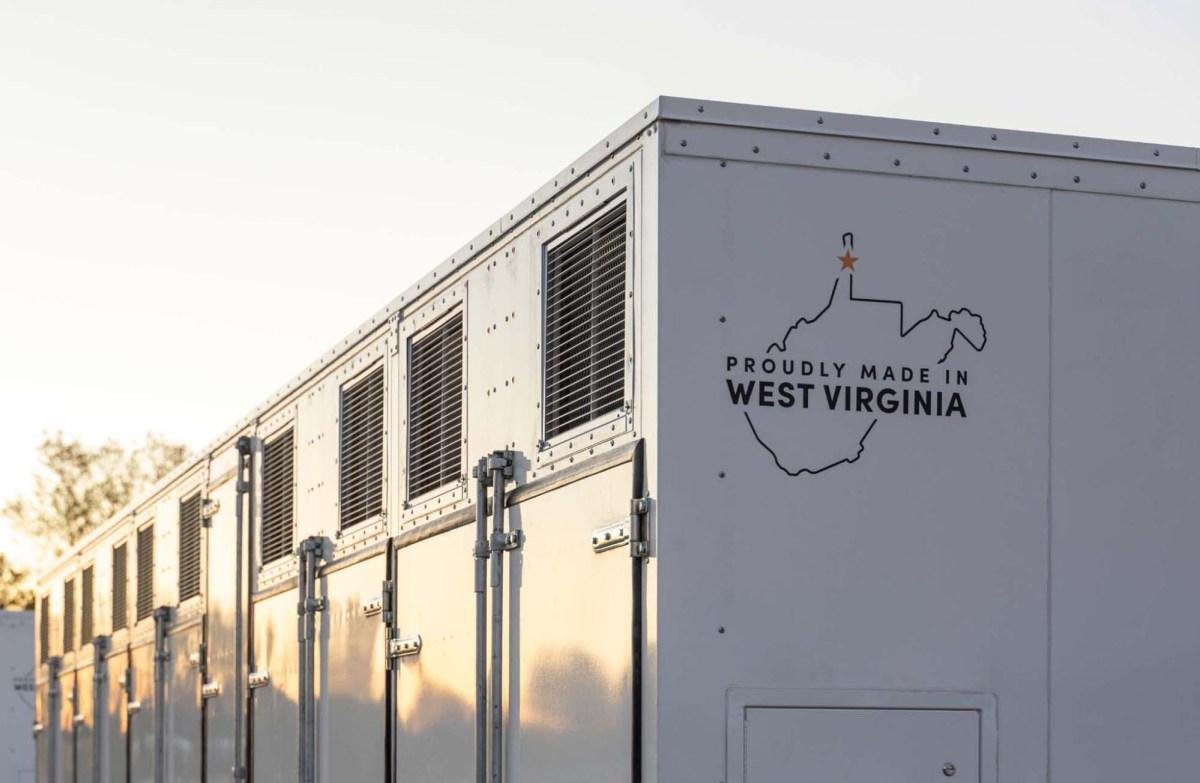
Battery startup Form Energy said on Wednesday that it has raised $750 million to expand its manufacturing capacity in West Virginia, the latest sign that the AI data center building boom is fueling investment in energy storage.
The U.S. installed 9.7 gigawatt-hours of energy storage in the first three months of this year, up 32% from 2025. Most of those batteries can discharge for a few hours at most, but Form Energy’s iron-air batteries can deliver power for up to 100 hours. Long-duration energy storage is particularly desirable because it can help bridge the power supply gap in renewable power generation, which is expected to account for more than 90% of new generating capacity in the U.S. this year.
Form’s unique battery chemistry helps it store massive amounts of electricity for less by relying on iron instead of pricier minerals like lithium, cobalt, and nickel. Inside a Form battery, iron is oxidized and reduced as it is discharged and charged — that is, the battery turns iron into rust when it discharges and reverses the process when it charges, turning rust back into iron.
The approach has helped Form land some big customers. Google is building a new data center in Minnesota that will be partially powered by a massive, 30-gigawatt-hour Form battery that cost the tech company about $1 billion. Crusoe said in March that it would buy 12 gigawatt-hours of batteries from Form. Utility Xcel Energy is also a customer, as is FuturEnergy Ireland.
Some 80% of Form’s materials come from the U.S., while the balance comes from Europe and Asia — notably not China. Chinese companies dominate both the battery supply chain and battery manufacturing, and both the Biden and Trump administrations have sought to decrease U.S. reliance on China for batteries.
The company’s domestic-focused supply chain has helped it land big new customers as U.S. electricity demand rises for the first time in decades. Data centers are largely responsible for the uptick; they are expected to quadruple their electricity use in the U.S. by 2035, consuming about 20% of all electricity generated in the country.
The startup currently has a backlog of commercial projects worth about 80 gigawatt-hours of energy storage, the Wall Street Journal reported, up fourfold from earlier this year.
The Series G round was led by T. Rowe Price with participation from Sequoia Capital, Janus Henderson, Franklin Templeton, PEAK6 Investments, Prelude Ventures, Engine Ventures, TPG Rise Climate, Capricorn’s Technology Impact Funds, Breakthrough Energy Ventures, Dustin Moskovitz and Cari Tuna, Gigascale Capital, Coatue, Energy Impact Partners, NGP, GE Vernova, Blindspot Ventures, and M&G Catalyst Fund.
When you purchase through links in our articles, we may earn a small commission. This doesn’t affect our editorial independence.
Tim De Chant is a senior climate reporter at TechCrunch. He has written for a wide range of publications, including Wired magazine, the Chicago Tribune, Ars Technica, The Wire China, and NOVA Next, where he was founding editor.
De Chant is also a lecturer in MIT’s Graduate Program in Science Writing, and he was awarded a Knight Science Journalism Fellowship at MIT in 2018, during which time he studied climate technologies and explored new business models for journalism. He received his PhD in environmental science, policy, and management from the University of California, Berkeley, and his BA degree in environmental studies, English, and biology from St. Olaf College.
You can contact or verify outreach from Tim by emailing tim.dechant@techcrunch.com.
Sponsorluk
Reklam
Reklam
Reklam
Kategoriler
Read More
Je wilt je website veilig houden en het vertrouwen van bezoekers behouden. instellingen herstellen kan voelen als je sleutels kwijt zijn in het donker. Met een duidelijke stap voor stap aanpak houd je controle over wachtwoorden, gebruikersrechten, verbindingen en databasetoegang. Verkeerde serverinstellingen kunnen foutmeldingen geven of gegevens blootstellen. Door op tijd rechten te...

UAE reports drone strike near Abu Dhabi nuclear power plantAFPThe drone strikes hit near the Barakah Nuclear Power Plant in Abu Dhabi, officials said (file photo)The United Arab Emirates said a drone strike had triggered a fire near its nuclear power station on Sunday, calling the incident a "dangerous escalation".Officials are investigating the source of the strike. The country's defence...
‘Chicken Little’ worth about $4 million is scared she won’t have enough to retire onMost retirees don’t continue spending at the rate of inflation throughout retirement. Photo by Winnipeg SunArticle contentQ. Will you review the financial plan prepared for me by a certified financial planner? I am 65, single and have a good income, but I’m scared I don’t have enough money to retire even though...

'It's phenomenal!': Excitement in Florida ahead of Artemis launchNasa is due to send the first crewed mission around the Moon in more than 50 years.One visitor remembered the last moon landing more than 50 years ago, while others share their anticipation for the new lunar voyage and what it will mean for the world, provided everything goes to plan.BBC’s Leyla Khodabakhshi speaks to locals and...
6 Continuous Glucose Monitors That Are Doctor-RecommendedGlucose monitoring has come a long way since pricking your finger every day. Now there are continuous glucose monitors, which are worn on your arm. These monitors connect to an app on your smartphone or Apple Watch, and let you check your blood sugar throughout the day. Editor's note, June 25, 2024: Since this article was first...